
Frequently Asked
Best Selling Engagement Rings FAQ
What makes these rings best sellers?
Evidence, and we are open about the kind. Our store is young, so this grid is not ranked on our own sales history yet. It is built from the largest annual study of American weddings, which surveys more than ten thousand newly married couples about the exact ring they bought, cross-checked against the published bestseller pages of the biggest ring retailers in the country. Where both sources agree, and they agree to a striking degree, we stocked accordingly: thin-band solitaires and hidden halos lead, pave and three-stone follow, bezel rises fastest. As our own order history accumulates we will re-rank the collection on what Diamond & Sapphire couples actually choose, and retire anything that proves more editorial than earned.
What is the single most popular engagement ring style?
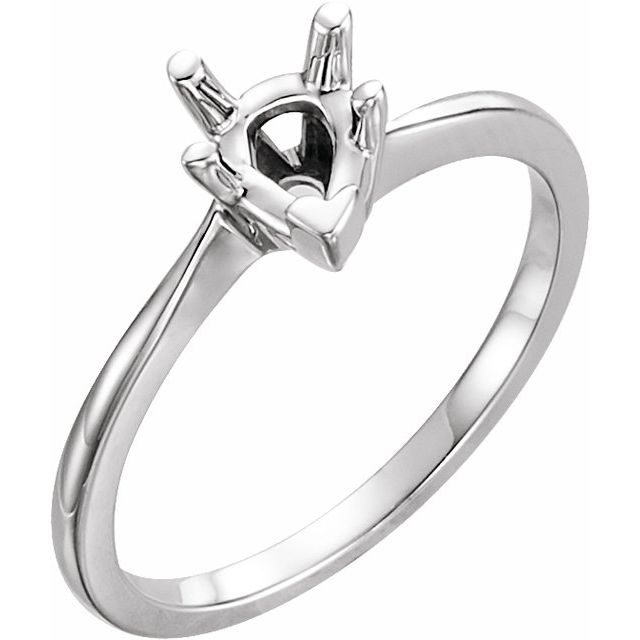
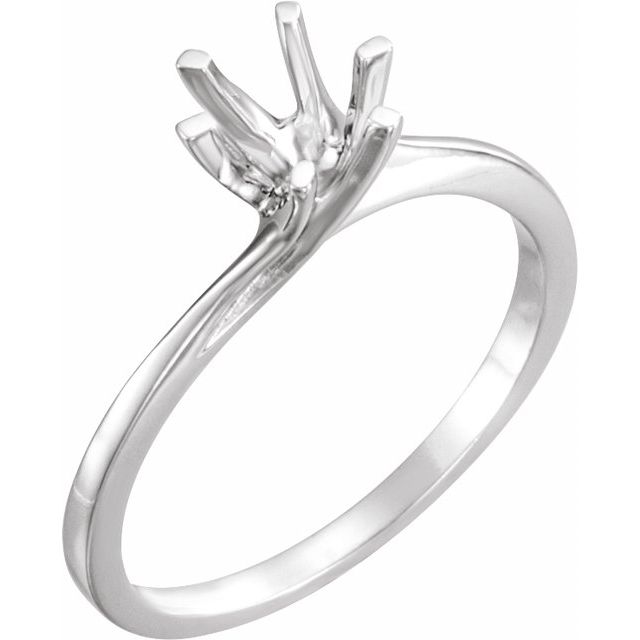
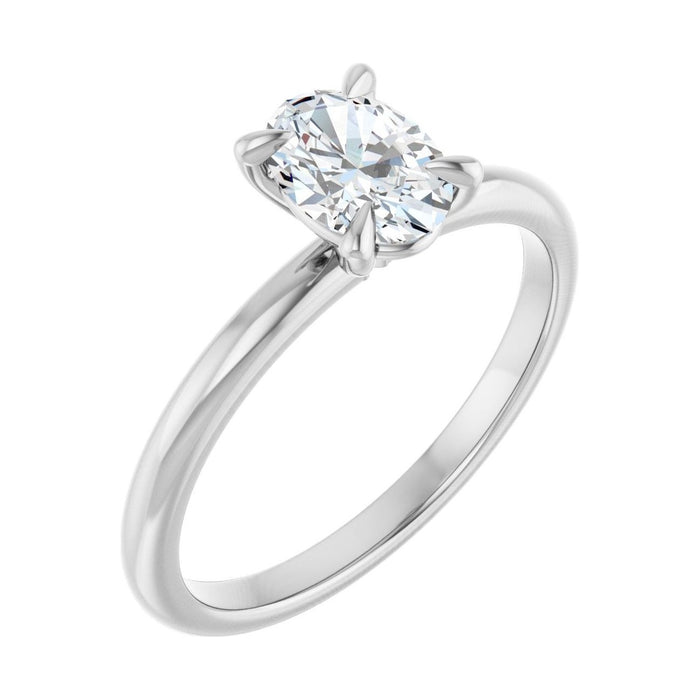
The solitaire, and specifically the slim-band solitaire, has held the top spot for as long as anyone has counted. Roughly a third of American brides wear one. The appeal is partly practical, since a single center stone concentrates the entire budget where the eye lands first, and partly aesthetic, since a plain band under a certified center never goes out of date the way ornate settings can. The version couples favor now rides a band of 1.5 to 1.8 millimeters, thin enough to make the center look larger by contrast. Ours start at $1,019 with the certified lab-grown center already in the price, and the oval solitaire that opens this collection is, fittingly, our least expensive route into the most chosen style in the country.
What exactly is a hidden halo, and why did it overtake the classic halo?
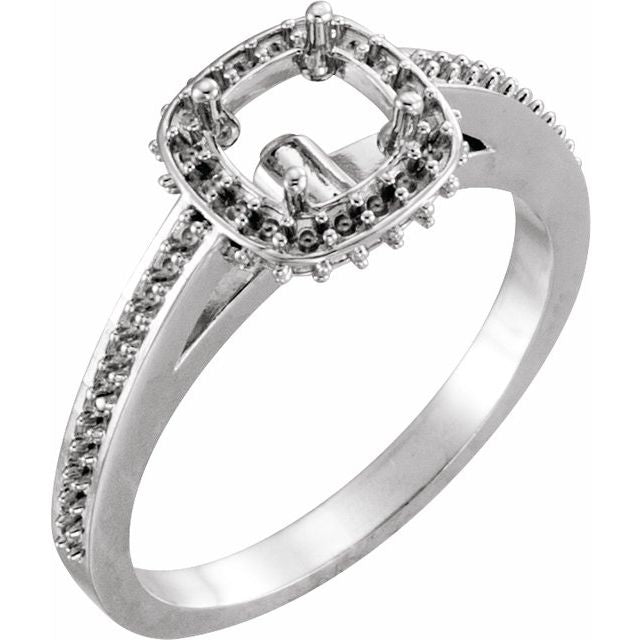
A hidden halo tucks the ring of accent diamonds under the center stone rather than around it, so the halo faces sideways at the admirer instead of upward at the wearer. From above the ring reads as a clean solitaire; from the side, where a proposal photograph is usually taken, the base of the center glitters like a lit crown. That trick of being two rings at once is why it now ranks second nationally while the traditional full halo, which can make a center look bordered and busy, has slipped year over year. It is also the value surprise of this collection: hidden halos here start at $739, the lowest all-in price in our entire engagement range, because the style spends its diamonds in grams, not carats.
Which diamond shapes do couples actually buy?
Round and oval, overwhelmingly, and almost in a dead heat. The most recent national data puts round at about 26 percent of centers and oval at 25, which is why they anchor this grid. After the big two comes a broad middle where emerald, pear, and marquise each hold mid-single-digit shares, with cushion and princess close behind. We stock all seven, and the also-rans are worth a look precisely because they are less common: an elongated emerald or a pointed marquise stands out in a way a round never will, and the elongated shapes carry a practical bonus, spreading their weight across more finger so they read larger per carat. The comparison table above pairs each winning style with its starting price if shape matters less to you than silhouette.
How much do most couples spend on an engagement ring?
The national average has fallen for five straight years and now sits near $4,600, and the median is lower still. The old two-months-salary rule is dead; a majority of buyers now choose a center under one carat and put the savings toward the wedding or the house. Our range was priced for exactly this market. Every ring in this collection lands between $739 and about $2,100 complete, center included, which buys the same styles the average couple finances at twice the figure. The difference is the lab-grown center: chemically and optically identical to mined diamond, independently certified, and priced honestly. If the budget allows more, every design here accepts a larger center or a natural stone, priced plainly on the product page.
Are these rings lab-grown or natural diamond?
Both, and the default is lab-grown because that is what the market now votes for: about six in ten engagement ring centers bought in America are lab-grown, a share that has climbed every year since the technology matured. Every ring in this collection ships with an independently certified lab-grown center, most grading D color with VVS clarity, stones a naturally mined budget at these prices could not touch. The certificate, from GCAL, IGI, or GIA, travels with the ring. Prefer natural? Choose it on the product page and the price updates honestly, no phone call required. Either way the metal, the craftsmanship, and the made-to-order sizing are identical; only the growing environment of the carbon differs.
Is a best seller a safe choice for a surprise proposal?
It is the safest choice there is, which is much of why these styles sell. A thin-band solitaire or a hidden halo on a round or oval center is the little black dress of engagement rings: decades of proposals have proven it flatters nearly every hand and offends nearly no taste. If you are choosing without your partner's input, stay near the top of this grid, note the metals in the photographs they pin or the jewelry they already wear, and let the certificate carry the quality argument. Two safety nets back you up. Every ring is made to order in the exact finger size you give us, so there is no compromise sizing, and our concierge will talk through the shortlist with you before anything is cast if you want a second opinion.
What does the all-in price include, and how long until my ring arrives?
The photograph is the price. Each figure on this page covers the setting cast in your chosen solid gold or platinum, the independently certified lab-grown center, every accent diamond the design carries, the setting labor, and finishing to your exact ring size. We do not advertise a bare mounting and reveal the diamond cost at checkout, and we do not charge for sizing. Because every ring is built fresh rather than resized from stock, most orders ship in two to three weeks. If a proposal date is close, tell us the date before you pay and we will confirm the timeline first. And if the budget is the deciding factor, our under $2,000 collection holds every design that starts below that line, including most of this page.