
Frequently Asked
Lab Grown Diamond Earrings FAQ
Are lab grown diamonds real diamonds?
Yes. A lab grown diamond is pure crystallized carbon with the same atomic structure, the same 10 on the Mohs hardness scale, and the same sparkle and fire as a diamond pulled from the ground. It is not a simulant like cubic zirconia or moissanite, both of which are different materials that only imitate a diamond. A trained gemologist needs specialist equipment to tell a lab grown diamond from a mined one, because optically and chemically they are the same thing. The only real difference is where it grew: in a controlled chamber rather than deep in the earth.
Why are lab grown diamond earrings so much cheaper?
Because growing a diamond takes weeks, not millions of years, and skips the cost and risk of mining. That shorter, more predictable supply chain is passed straight to the price, so a lab grown stone typically costs a large fraction less than a mined diamond of the same carat, color and clarity. In earrings the saving is easy to feel: a carat weight that would be a stretch in mined diamond becomes an easy yes when it is lab grown. That is exactly why our carat ladder can run all the way up to three carats without the price climbing into rare territory.
What carat size should I choose for studs?
Remember that the carat weight we list is the total across the pair, so a 1 ct listing is roughly a half carat in each ear. A half carat total is a clean, everyday sparkle that suits almost any face and outfit. Three quarters to one carat total is the most popular choice, big enough to catch the light across a table and still comfortable for daily wear. A carat and a half to two carats total makes a clear statement and is where lab grown really earns its keep, since that size in mined diamond would cost far more. If you are unsure, a one carat total pair is the safest all-rounder.
Which diamond shape is right for me?
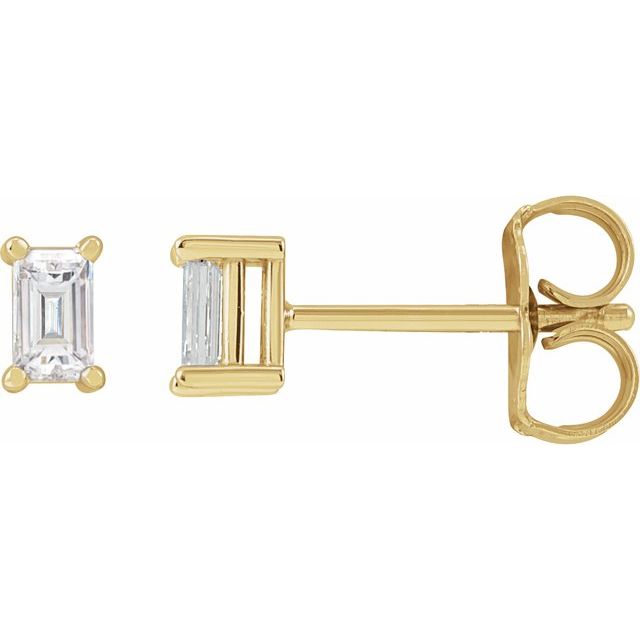
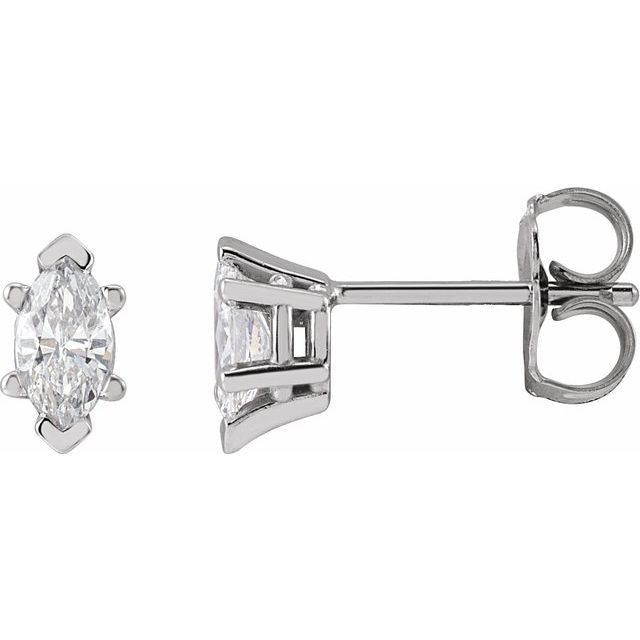
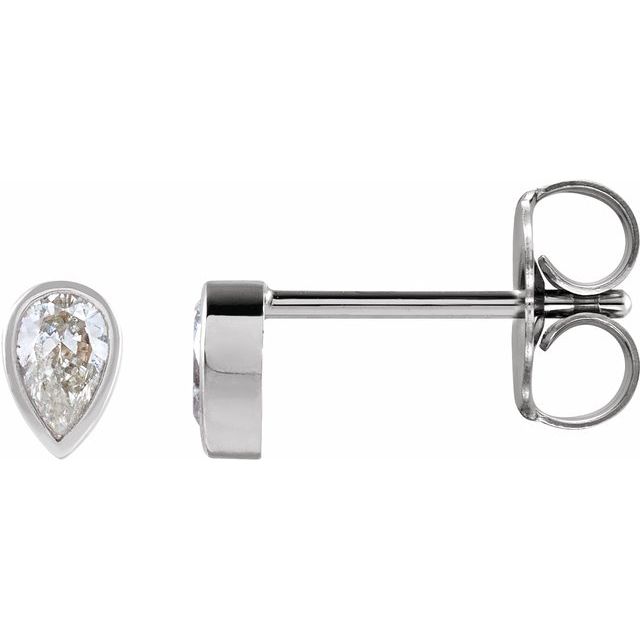
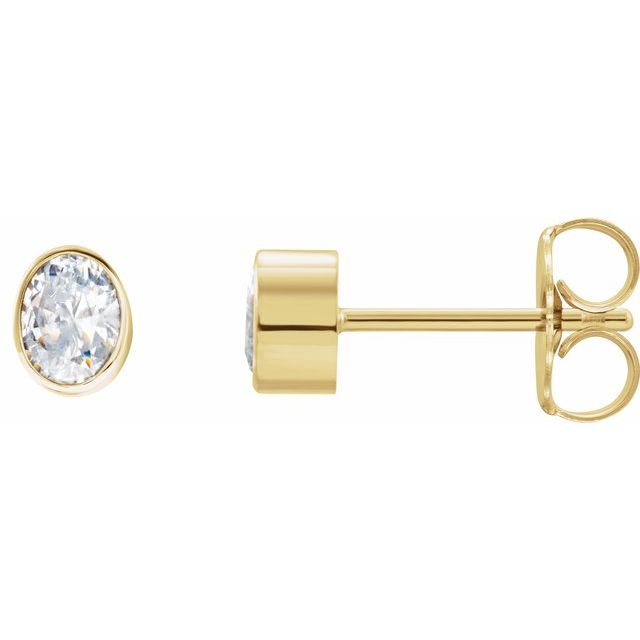
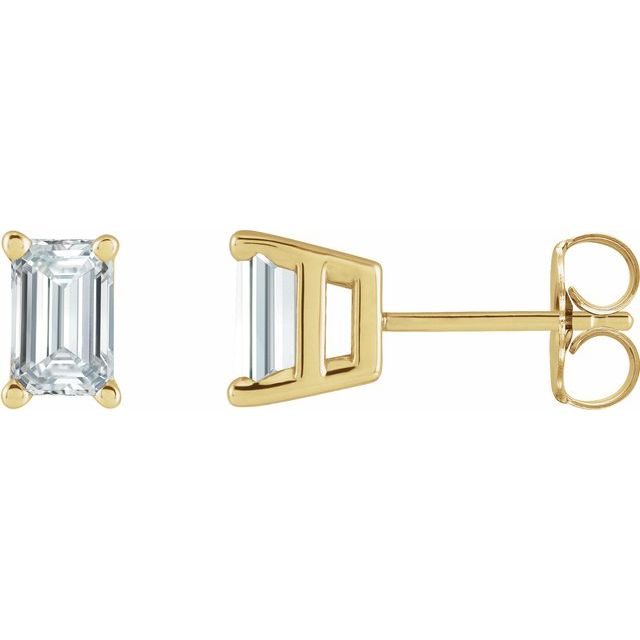
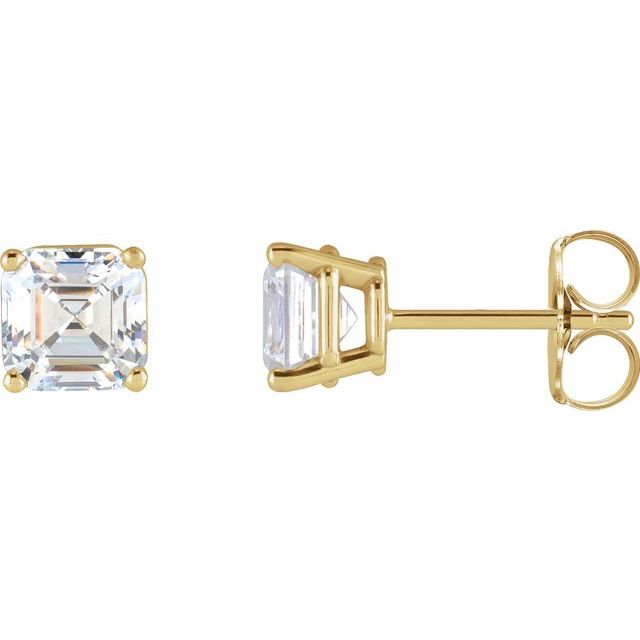
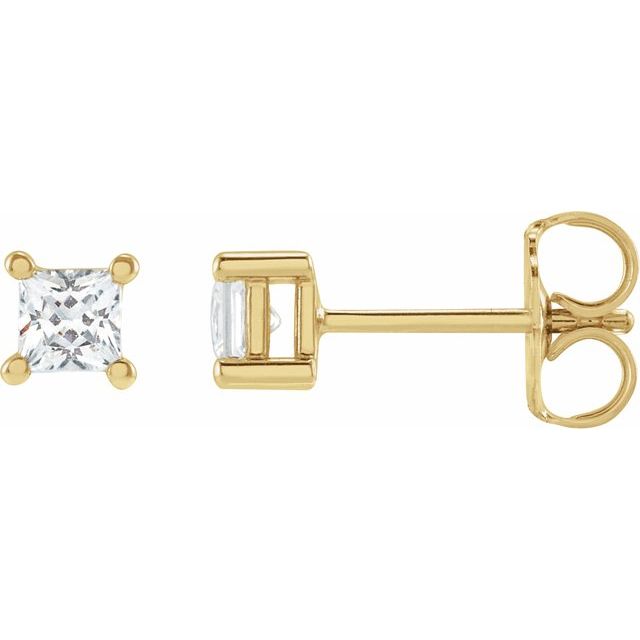
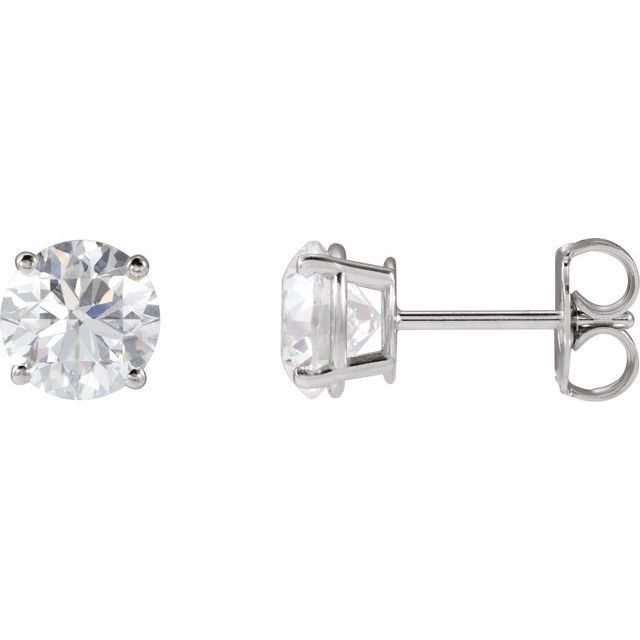
Round brilliant is the most popular for a reason: it returns the most light and never looks dated. If you want something with more personality, the fancy shapes each have their own character. Princess and asscher read modern and geometric. Emerald and baguette are long, calm and elegant, showing clarity rather than firework sparkle. Oval and pear look larger than their carat weight because they spread more surface, and pear adds a little softness. Marquise is the most dramatic and elongating. There is no wrong answer, so pick the outline that feels most like you.
What is the difference between studs, hoops and drops here?
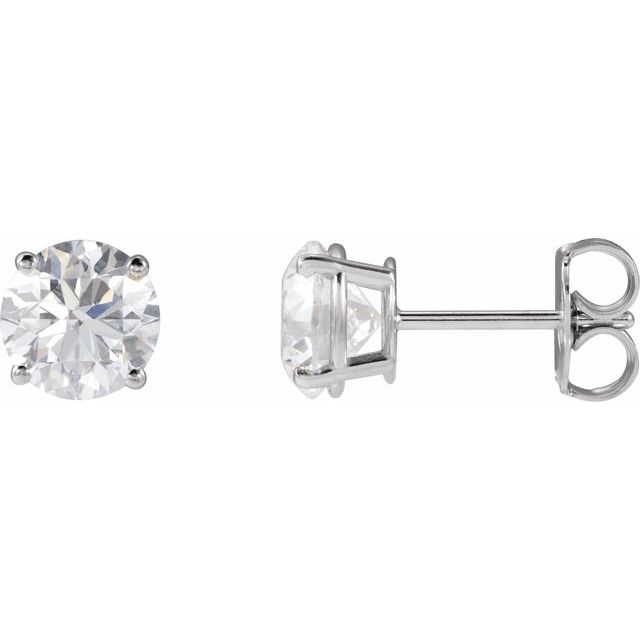
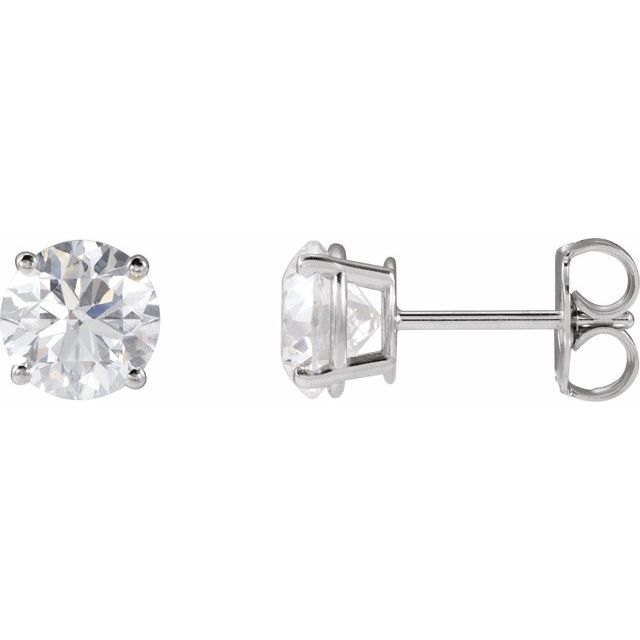
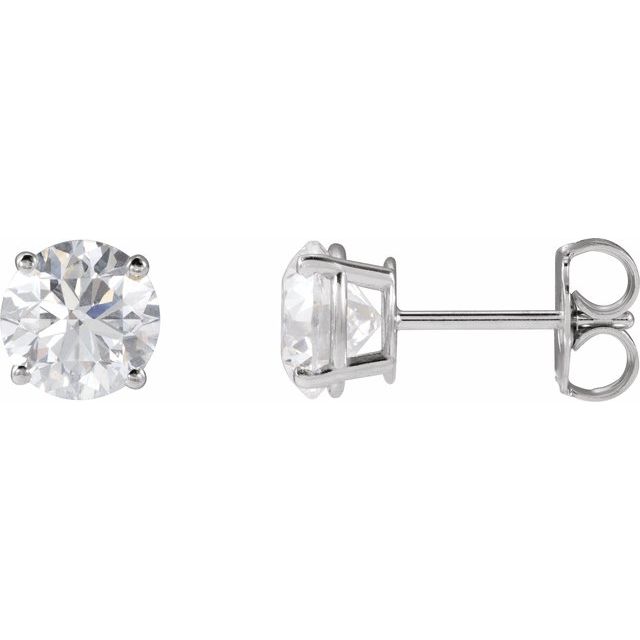
Studs sit flat against the lobe and are the everyday classic, whether that is a single round solitaire or a design like a halo, cross or crescent moon. Hoops circle the ear and bring movement and light: our range runs from tight diamond huggies that hug the lobe, to inside-out hoops that sparkle front and back, to pave and French-set hoops covered in stones. J-hoops and U-hoops curve only partway for a lighter, more design-forward look. Drops, like the front-back style, carry the diamond past the edge of the lobe for a little extra motion. Studs are the safe gift; hoops and drops add flair.
Are lab grown diamond earrings a good value long term?
For wearing, they are excellent value: you get more size, better clarity and a lower price than mined diamond, in a stone that will never scratch or cloud with age. On resale, be realistic. Like most jewelry, lab grown diamonds are not bought as an investment, and their resale value is modest, just as it is for mined diamonds once you account for retail markup. The honest way to think about it is cost per wear. A pair of one carat lab grown studs you put on almost every day for years is one of the best-value fine jewelry buys you can make. If traditional rarity and resale matter most to you, mined diamond is the choice.
Are lab grown diamonds better for the environment?
Generally they carry a lighter footprint than mined diamonds, since they avoid the land disturbance and the large volumes of earth moved in traditional mining. Growing a diamond does use energy, and the greenest producers run on renewable power, so the picture is not perfectly simple. What you can say fairly is that a lab grown diamond skips the mining stage entirely and is free of the sourcing concerns that surround some mined stones. For many buyers that peace of mind, alongside the price, is the whole reason they choose lab grown.
Which metal should I pick for lab grown diamond earrings?
White gold and platinum give a cool setting that makes a colorless diamond look extra icy and bright, with platinum being the most durable and hypoallergenic, and the priciest. Yellow gold is warm and classic and flatters warmer skin tones. Rose gold has a soft, slightly vintage blush. Since the diamond is the same in every metal, this really is a style call. Choose white gold or platinum if you want the metal to disappear and the stone to dominate, or yellow and rose gold if you want visible warmth in the setting. Every option here is solid precious metal, never plated.
How do I care for and clean them?
Diamonds pick up skin oil, lotion and hairspray, so any pair worn often will dull over a few weeks. Cleaning is quick: soak them in warm water with a drop of mild dish soap, brush gently around and behind each setting with a soft toothbrush, rinse and pat dry with a lint-free cloth. Do that a couple of times a month to keep the fire alive. Put earrings in after perfume or cologne rather than before, take hoops out before sleep and sport, and store each pair in a soft pouch so the stones do not knock against other jewelry.