
History of Engagement Rings
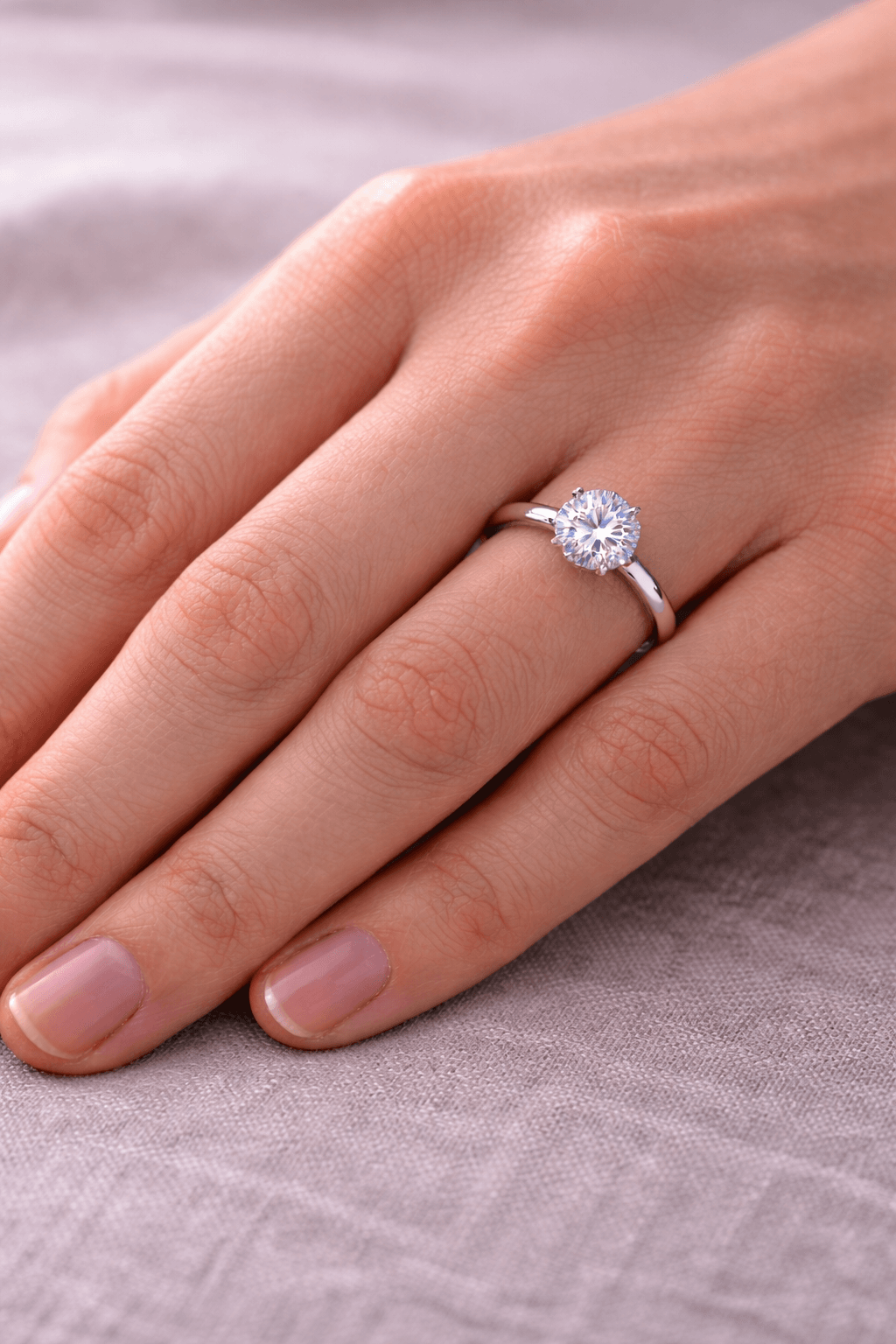

An engagement ring is a powerful piece of jewelry; it is a powerful symbol of love and commitment. This beloved custom has been around for thousands of years. In ancient Rome, a betrothal ring stood for a promise to marry (1). Giving a ring is a popular way to show that you want to get married. This guide will take you through the history of the engagement ring and explain what makes them so special. You'll find out how engagement rings have changed over time, how to tell a good ring from a bad one, the different styles available (from classic diamonds to colored gemstones), and how to pick the right ring and take care of it. This guide covers everything from historical origins to modern styles—useful whether you're planning a proposal or simply curious about the tradition.
What Is an Engagement Ring?
An engagement ring is a ring that is traditionally given as a promise to marry. It is a physical sign of the couple's commitment and their upcoming marriage. The person who gets the engagement ring will wear it as one of their most prized pieces of jewelry (2). People in the West usually wear it on the ring finger of their left hand. This is because people used to believe that there was a "vein of love" that ran from that finger to the heart. So, an engagement ring is both a promise to get married in the future and a lasting reminder of that promise (1).
Types / Variations of Engagement Rings
Diamond Engagement Rings

For a long time, diamonds have been the most popular choice for engagement rings. A diamond is a pure carbon crystal (chemical symbol C) that gets a perfect 10 on the Mohs hardness scale (11). This makes it the hardest natural gemstone. Because diamonds are so hard, diamond rings are very durable. A well-cut diamond will not scratch and will keep its sparkle even after being worn every day. People love how diamonds look because of how they sparkle and reflect white and colored light. Solitaire diamond engagement rings (with only one center stone) are the ultimate in luxury and never go out of style. For example, the brilliant-cut round diamond is the most popular style because it reflects the most light. A natural diamond ring remains a symbol of lasting love and strength in modern proposals. Many couples choose diamonds for their long-lasting value and hardness. With the right care, a diamond ring can last forever.
Lab-Grown Diamond Engagement Rings

Lab-grown diamonds are chemically and visually the same as mined diamonds, but they are made in a lab with strict rules. These diamonds are also 10 on the Mohs scale because they have the same carbon makeup and crystal structure as natural diamonds. Lab-grown diamonds are "optically, chemically, and physically identical" to diamonds that were mined (4). This means that lab-grown diamonds look and feel the same—they shine and last just as long. Lab diamonds are often cheaper and better for the environment because they don't have to be mined. Couples who choose lab-grown stones get the classic look and hardness of diamonds without some of the ethical and budget issues that come with mined stones. A lab-grown diamond ring will last for decades as a symbol of your commitment, just like any other diamond.
Moissanite Engagement Rings

Moissanite is a gemstone that looks like diamonds but is made in labs from silicon carbide. It is almost as hard as diamond (Mohs hardness around 9.25–9.50) and has a higher refractive index (about 2.69), which makes moissanite look like it is on fire. The IGI says that moissanite is harder than rubies and sapphires, with a score of 9.25 to 9.50 on the Mohs scale (1). Moissanite has a lot of sparkle and rainbow fire, but its sparkle is a little different from diamond's because it disperses light a little more. People love moissanite engagement rings because they look great and cost less. They are a long-lasting and moral alternative to diamonds. A moissanite ring won't chip or break easily, and many couples like that they can get a big, beautiful stone for a lot less than a diamond.
Colored Gemstone Engagement Rings

Colored gemstones like sapphires, rubies, and emeralds have been used in engagement rings for a long time to add character and meaning. Gemstones come in bright colors. For example, Napoleon gave sapphire engagement rings to his wife in 1796, and they were later famously worn by royalty (3). Couples today can choose a sapphire (hardness 9) for its deep blue color or a ruby (hardness 9) for romance, knowing that these corundum gems are very strong. Emeralds are softer (about 7.5–8) and may need more care. Royal figures like Kate Middleton have made sapphire and ruby rings popular, showing that colored stones can be both pretty and meaningful (3). Many brides choose a stone that fits their style because each one has its own charm and meaning (for example, sapphire stands for faithfulness and emerald stands for renewal). Colored gemstone rings often have accent diamonds or unique halo designs that make them look even better and make sure they are strong enough to wear every day.
Gold Engagement Rings

Gold is the traditional metal for engagement rings because it shines and can be used in many ways. It comes in yellow, white (which is usually rhodium-plated), and rose colors. The purity of gold is measured in karats. Pure 24K gold is a rich yellow color but is also very soft. This is why engagement rings are usually 14K or 18K, which means they are 58% or 75% pure gold mixed with other metals to make them stronger. The strength of a gold ring "depends on its karat and alloy composition": 14K and 18K gold are strong enough to wear every day, but pure 24K gold would scratch and bend easily (5). A ring made of 14K or 18K gold won't wear out and will stay warm. Gold rings are always in style and can be passed down from generation to generation. They are also not too hard to fix or resize. Keep in mind that white gold, which is an alloy, may need to be re-plated every so often to keep its shine. In general, gold engagement rings look classic and last a long time if you take care of them.
Platinum Engagement Rings

Platinum is a high-quality white metal that is often used to make engagement rings. It is denser and rarer than gold, and it has a naturally silver-white finish. Platinum is very resistant to wear and "won't lose its shape or abrade easily" (5). In real life, a platinum ring can be worn every day without getting thinner or bending. It is also naturally hypoallergenic, so it won't make your skin react like some gold alloys might. Platinum's weight and strength make it feel safe. It doesn't need plating because it is 95–98% pure. A lot of couples choose platinum for diamond solitaires because the stone's sparkle stands out against the bright white metal. The bad thing about platinum is that it can get a patina (tiny scratches) over time, but a jeweler can polish them out. A platinum engagement ring is a long-lasting investment that looks great and lasts for generations.
How to Identify Quality in Engagement Rings

When you buy an engagement ring, make sure to check the certification and craftsmanship to make sure you're getting a good one. To begin, look for grading reports from well-known labs like GIA or IGI that are reliable. These reports show that the diamonds or gemstones are of good quality. Some labs also look at finished jewelry. For instance, IGI Jewelry Reports show you all the stones that are set in a piece of jewelry, as well as the type and purity of the metal used, so you know exactly what you're getting (1).
Next, look closely at how the ring is made. The prongs should be smooth, even, and hold the stones in place without moving or having rough edges. The finish should feel smooth and well-made. Look for metal stamps or hallmarks on the inside of the band as well. These show that the metal is pure. For example, "750" for 18K gold or "PLAT" for platinum. Hallmarking has been used for a long time to protect consumers. In Europe, it goes back hundreds of years to make sure that the amount of precious metal in a product is honest (7).
In short, a good engagement ring has a trusted certification, is clearly marked for metal purity, and is made with care. You can be sure that a ring that meets these standards will last and look good for a long time.
Buying Guide: How to Choose the Right Engagement Ring

Determine Your Budget: The first thing you need to do is figure out how much you can spend. Finding a balance between your partner's expectations, your finances, and the price of the diamonds or gemstones you can find (2). Before you start shopping, it's a good idea to agree on a rough number. Remember that you don't have to follow any "rules" of the industry, like spending two or three months' salary. Those were made up by marketers. Instead, think about what is best for you.
Select the Style: Think about what your partner likes and how they live. Solitaires, which have one center stone, are a classic and flexible choice. The solitaire setting is a classic that has been "popular for generations" (2). If you're not sure what you like, a simple solitaire is safe. You can always add side stones or a more complicated setting later. If your partner likes vintage or one-of-a-kind styles, look into halos, three-stone rings, or colored stones. Also, think about your lifestyle; a low-profile or bezel setting may be better for someone who is active. Lastly, pick the center stone (a diamond or gemstone) and the metal (gold or platinum) that fit your style. If you choose a ring that fits your budget and your partner's style, you'll be happy with it and it will work for your future together.
Care, Cleaning & Maintenance
You need to clean and care for engagement rings often to keep them looking good over time. If you're doing something that could break your ring, like gardening, working out, or lifting heavy things, it's best to take it off. When you're not wearing the ring, put it in a soft bag or a safe place so it doesn't get scratched.
For regular cleaning, gentle methods work best. GIA says to soak the ring in warm water with a little bit of mild soap or household detergent and then gently brush it with a soft toothbrush to get rid of dirt and buildup. Rinse it well and dry it with a cloth that doesn't leave lint to bring back its shine. Bleach and other strong chemicals can damage both the metal and the stones, so don't use them. When using home ultrasonic or steam cleaners, be careful because they could hurt some jewels or make settings loose.
Every six months to a year, take your engagement ring to a jeweler to have it cleaned and checked to make sure it's safe. Regular checks make sure that the prongs stay tight and the stones stay in place. This keeps your ring bright and in good shape for a long time.
Common Myths & Misconceptions
-
Myth: "It must cost two months' pay."
Fact: Not true. The diamond industry came up with the well-known "2-month" or "3-month" salary guideline to sell more diamonds. There is no real rule about how much to spend. IGI says that the "salary rule" was made up in the 20th century and that couples today can spend what they want on what they want (12). -
Myth: "Diamonds are always needed for engagement rings."
Fact: People have always worn diamond rings, but they don't have to. In fact, lab-grown gems and other types of stones are becoming more popular. For instance, IGI says that interest in moissanite has almost doubled in the last few years, and many couples now choose colored gemstones or simple bands as unique alternatives (12). Not tradition, but personal meaning is what matters most. -
Myth: "Diamonds grown in a lab are not real."
Fact: This is not true. Diamonds grown in a lab have the same chemical and physical properties as diamonds mined from the ground. They have the same brilliance and hardness (10 on the Mohs scale) (4). The only real difference is where they come from; lab diamonds don't need to be mined. People choose them because they are more ethical or fit their budget, knowing they will get the same sparkly result. -
Myth: "The diamond must be clear on the engagement ring."
Fact: Not at all. Grades of clarity and color give you choices. Diamonds that are slightly colored or have a moderate amount of color can look just as beautiful, and they are often a better deal. Also, fancy color diamonds like pink, yellow, and blue are rare and valuable on their own. Keep in mind that you don't need perfect specs on paper to show your love. (Always look at a grading report if specs are important.)
Pros & Cons of Engagement Rings
|
Pros |
Cons |
|
Symbolizes love and commitment |
High cost (average ring ~$5,900) |
|
Diamonds are extremely durable (Mohs 10) |
Risk of damage/loss if not insured |
|
Timeless style (solitaire classic) |
Ongoing maintenance (cleaning, checks) |
|
Wide variety (metals, gems) for personalization |
Potential skin allergies to certain alloys |
Trends & Modern Market Demand
Modern engagement rings mix personal touches with traditional elements. A lot of couples want a ring that tells their story instead of just going along with what everyone else is doing. Bridal experts say that cuts inspired by vintage styles are coming back in 2025. The "old European" and "old mine" diamond cuts (hand-cut shapes from the 1800s) are becoming more popular because they have a unique sparkle. At the same time, bold styles are in: wide, chunky bands are popular (moving away from very delicate bands). These thicker rings make a modern statement and can help larger center stones or multiple gems look better. People also want custom and creative settings. For example, bezel settings, which wrap the stone in metal, are popular because they look modern and are safe (8).
On stones and metals, being able to use them in different ways is important. Yellow gold is still a popular choice because it looks warm and classic, and it works with both old and new styles. There are also designs with rose and mixed metals. Many brides use colored gemstones or stones that go with their dress. Colored gems like sapphires, emeralds, and even black onyx are becoming popular as center or side stones for a personal touch. As a more environmentally friendly choice, lab-grown diamonds are becoming more and more popular. In short, the modern market prefers rings that have personal meaning, like unique cuts and colors or custom engravings. However, they still value materials that last. (8)
Investment & Resale Value
Instead of seeing engagement rings as investments, it's better to think of them as signs of love. Most of the time, jewelry loses value as soon as it leaves the store. According to industry data, diamonds can sell for 30% to 50% less than their original retail price (9), even if the stone and setting are of high quality. Prices for precious metals and gems also change over time, which makes things even more uncertain.
The well-known saying "a diamond is forever" was meant to mean that the feelings would last, not that the money would come back. It's important to have realistic expectations if you ever decide to sell an engagement ring. You will probably get a lot less than what you paid for it. The resale value of jewelry depends on a lot of things, like how well-known the brand is, how rare it is, how good of condition it is, and how much demand there is in the market. However, jewelry doesn't usually act like a traditional investment.
Instead, think of an engagement ring as a family heirloom. The craftsmanship, memories, and meaning behind it are what make it valuable, not its ability to go up in value.
Who Should Buy Engagement Rings?
The person who proposes marriage usually buys the engagement ring. Historically, this has been the man in many Western cultures, but that is no longer the case. A lot of couples now pick out the ring together, and in some cases, the person who is being proposed to picks out their own ring. People of all genders wear engagement rings, and they are just as common in same-sex relationships as they are in heterosexual ones.
It's not uncommon for couples to buy or upgrade their engagement rings later, like for big anniversaries or vow renewals. At its most basic level, an engagement ring is for anyone who wants a physical sign of their desire to get married and show that commitment to the world (1). Modern traditions are still changing. For example, more women are buying rings for men, and couples are figuring out what feels right for them. An engagement ring is the right choice for anyone who wants to make their promise of marriage in a way that feels personal and real.
Frequently Asked Questions
Q: Why are engagement rings worn on the ring finger?
A: The left ring finger is where engagement rings have been worn since ancient times. A “vena amoris” or vein was considered to connect that finger to the heart. For this reason, early societies (like the Romans) put the ring on the left fourth finger (1). Modern medicine denies this, yet the custom endured. Today, most Western couples wear engagement and wedding rings on that finger to symbolize love.
Q: What does an engagement ring symbolize?
A: An engagement ring promises marriage and lifelong partnership. A sign of love and commitment. Traditional betrothal rings “symbolized a promise of marriage” (1). It still symbolizes the couple's love and intent to marry. The style and diamonds may have particular connotations, but the general metaphor is marriage planning.
Q: When did people first start giving diamond engagement rings?
A: Diamond engagement rings were originally recorded in the 15th century. For their engagement in 1477, Archduke Maximilian of Austria presented Mary of Burgundy a tiny diamond ring. Many consider this the first diamond engagement ring (10). However, historians note that European nobles already used gemstone engagement rings (often with various jewels or numerous stones). In the 18th–20th centuries, diamonds became the standard with marketing campaigns like De Beers' 1947 “A Diamond is Forever”.
Q: Are lab-grown diamonds as good as natural diamonds?
A: Yes. Lab-grown diamonds are chemically and physically identical to mined diamonds. Both have the same crystal structure, score 10 on the hardness scale, and are rated by the same 4Cs. The appearance and durability of lab diamonds are identical to real ones. The only difference is origin: one emerged from the ground over millions of years, the other was lab manufactured. Many experts say both will look and last the same.
Q: How should I clean my engagement ring?
A: Gently cleaning an engagement ring sparkles. The GIA advises washing the ring in warm water with mild dish soap or a jewelry cleaner and brushing gently. Finally, rinse and dry with a soft, lint-free towel (6). Do not use aggressive cleaners or tools. Oils and debris are safely removed from diamond and hard gemstone jewelry. (Make sure the metal and accent stones are soap-safe; precious stones like pearls need extra care.) To maintain settings, have a jeweler clean and check your ring once or twice a year.
Expert Jeweler Tips
To get a ring that will last, you need two things: a certified diamond and a safe setting. Professional gemologists say that some diamond shapes, like princess, marquise, and pear, have sharp corners that are more likely to chip. It's important to choose a setting that has extra security to keep these areas safe. For instance, GIA suggests using V-shaped prongs on princess-cut diamonds to protect their sharp corners (11).
The style of the setting is just as important as the stone itself. You can greatly lower the risk of damage over time by choosing options like six-prong settings instead of four, bezel settings that wrap around the stone, or designs with side stones that protect the stone. In addition to the design, you should think about getting your ring professionally appraised and insured. An engagement ring is often one of the most valuable and sentimental things a person owns, so having insurance gives them peace of mind in case they lose it, have it stolen, or accidentally damage it.
You can make sure your engagement ring stays a beautiful and meaningful symbol for a lifetime by getting it certified, designing the setting carefully, and protecting it properly.
Conclusion
Engagement rings have a long history of being romantic gifts, and they are still some of the most meaningful gifts in Western culture. Their history shows how styles have changed over time, from ancient Roman wedding bands to today's brilliant-cut diamonds. The ring has always been a sign of love and commitment (1). Couples today have more choices than ever On stones and settings, but the main idea is still the same. Look for quality certifications and materials that will last (so it can be worn every day) when choosing a ring. To keep your ring shining, clean it gently and check it regularly (6). You might also want to think about getting insurance for peace of mind. The best engagement ring is the one that speaks to you. It's a beautiful symbol of a promise that will last a lifetime.
Are you ready to look for the perfect engagement ring? Browse our full ring collection, learn more about how to pick the right design, or sign up for our newsletter to get expert advice and ideas. Let us help you find the perfect ring to celebrate your love, whether it's a classic solitaire or a unique vintage design.
Tradition reimagined for today.
Celebrate love’s legacy with a modern engagement ring from Diamond and Sapphire's engagement ring collection.
Read more
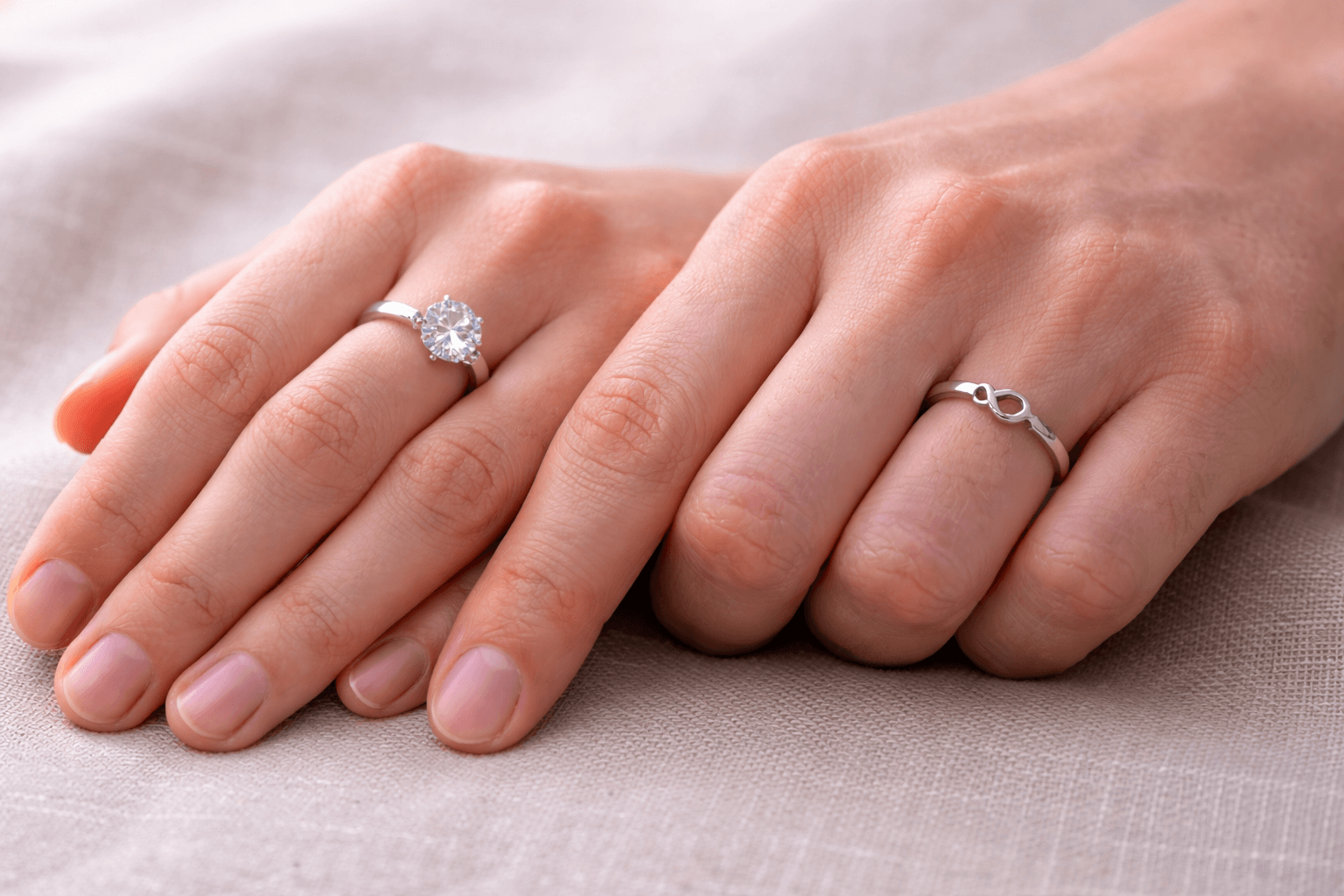
Engagement Ring Vs Promise Ring: What's the Difference?
An engagement ring is a formal sign that a couple plans to get married. A promise ring, on the other hand, shows that you are committed, loyal, or hopeful about the future of a relationship without...
Read moreEngagement Ring Vs Promise Ring: What's the Difference?
An engagement ring is a formal sign that a couple plans to get married. A promise ring, on the other hand, shows that you are committed, loyal, or hopeful about the future of a relationship without...
Read more