
How White Gold Is Made


White gold is beautiful and practical. White gold isn't naturally white like platinum. Instead, it starts out as yellow gold and gets its cool color through careful alloying and rhodium plating. This new process makes a shiny, long-lasting metal that looks great with diamonds. If you want to buy fine jewelry or an engagement ring, knowing how white gold is made will help you choose the karat, color, and design that works best for your lifestyle and budget. This guide covers the basics of how white gold is made, how to choose between 14K and 18K, how to evaluate quality, and expert care advice (1).
What Is White Gold?

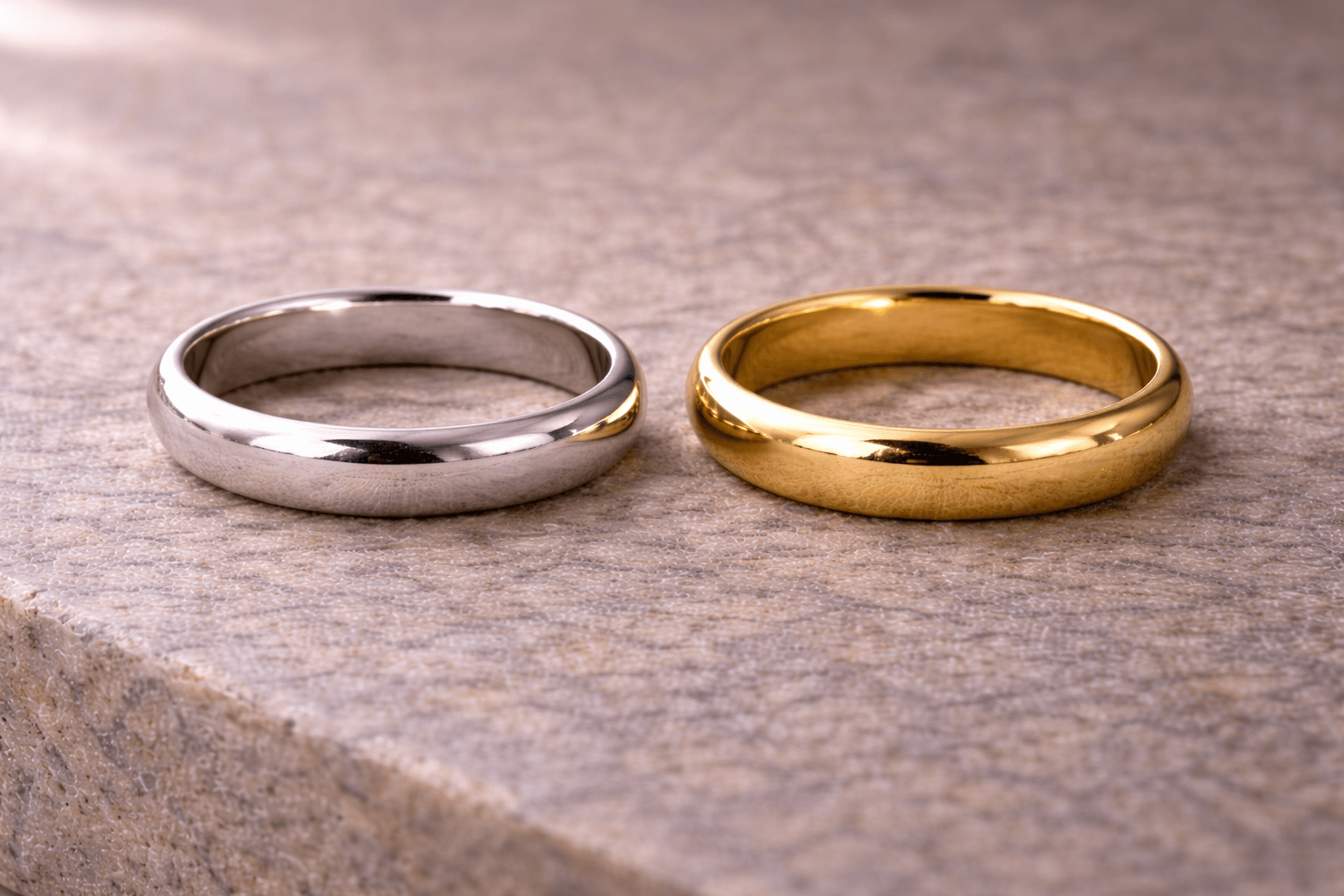
White gold doesn't naturally come in the shape we see in jewelry. Mixing pure yellow gold with other white-toned metals like nickel, zinc, copper, or sometimes metals from the platinum family makes it (3). These alloys make gold less yellow and give white gold its softer, silver look. These metals were chosen because they don't change the color of gold and keep it strong, unlike silver, which can make it look greenish or weaker.
Most white gold jewelry is finished with a rhodium plating after the alloy has been made. Rhodium is a naturally white metal that makes things shine more and adds a surface that is scratch-resistant and protective. The end result is a shiny, smooth metal that looks a lot like platinum and has the same value as gold.
Types / Variations of White Gold
There are different karat options for white gold. The karat number tells you how much pure gold is in the alloy. The most popular options are 14K and 18K white gold.
14K white gold is made up of about 58.3% pure gold and other metals like silver, nickel, or palladium to make it look lighter (4). 14K white gold is harder and less likely to wear out because it has more alloy metals. This makes it a good choice for everyday jewelry and active lifestyles.
18K white gold, on the other hand, is 75% pure gold. Because it has more gold, it looks richer, feels a little softer, and costs more. A lot of people also think that 18K white gold is better for sensitive skin because it has fewer metals mixed in (4).
Rhodium plating is often used to finish both 14K and 18K white gold. This makes the white shine brighter and makes the surface more durable. Since 18K white gold has less alloy, it might not need to be re-plated as often to keep its look. Jewelers use both karats for engagement rings, wedding bands, and fine jewelry. They choose between the two based on the wearer's lifestyle, budget, and color and durability preferences.
How to Identify Quality in White Gold

Checking the hallmark is the best way to make sure that white gold is real. GIA says that real white gold jewelry has marks like "14K" or "18K" on it that show how much pure gold the alloy has. For example, 14K has 58.3% pure gold and 18K has 75% pure gold (1). You might also see numbers like "585" for 14K or "750" for 18K, which show how much gold is in each thousand. These marks should be easy to read, clear, and evenly stamped.
It's hard to tell the difference between 14K and 18K white gold just by looking at them because rhodium plating makes them both look the same bright white. That's why it's important to have records. Getting certified by a well-known lab like GIA or IGI gives you more confidence because it confirms the metal's composition and overall quality of work.
Look at how the piece was made in addition to the markings. White gold jewelry of good quality should feel smooth to the touch, have well-finished surfaces, secure prongs, and clean solder points. It's usually easy to tell if an alloy is nickel-free, which is important for people who are sensitive to metals. The best signs that a piece of white gold is really well made are proper hallmarks, reliable paperwork, and good craftsmanship.
Buying Guide: How to Choose the Right White Gold
Choosing between 14K and 18K white gold means balancing between your budget, lifestyle, and personal style. Nickel or palladium, along with copper and zinc, are mixed with yellow gold to make white gold. The most popular types in the U.S. are 14K and 18K (2).
14K white gold is usually the best choice if you are active or plan to wear your jewelry every day. It has more alloy in it, which makes it stronger and less likely to bend or scratch. People who want more gold and a richer, more luxurious feel like 18K white gold. This is softer, but you can make up for it by using protective settings and doing regular maintenance, like re-plating the rhodium every now and then.
Another thing to think about is how easily your skin gets irritated. Some 14K white gold alloys contain nickel, which can bother people who are sensitive to it. If you are worried about allergies, look for alloys that don't have nickel in them. You could also think about 18K white gold instead. You might also want to think about how much the things will be worth in the long run. Jewelry with more gold in it usually sells for more, but 14K jewelry that is well-made can still keep its value because of how it looks and how well it is made.
Care, Cleaning & Maintenance

White gold needs to be taken care of every now and then to keep its shine. The rhodium plating gives it its signature white color. The plating wears off over time, revealing the metal underneath in a warmer tone (1). Most jewelers say that you should re-plate your jewelry every one to three years, depending on how often you wear it.
Put your white gold jewelry in warm water with a few drops of mild dish soap, gently brush it with a soft toothbrush, and then dry it with a cloth that doesn't leave lint. Do this every so often. Avoid using harsh chemicals or cleaners that are too rough, as they can damage the rhodium plating and jewels. Taking off jewelry before doing hard work and putting it in soft-lined cases will also help keep it from getting scratched. Regular checks by a jeweler make sure that the prongs are secure and the plating is intact, which keeps your jewelry looking great for years to come (1).
Common Myths & Misconceptions
A common myth is that white gold is white by nature. It starts out as yellow gold, but it looks pale because it is mixed with other metals and plated with rhodium. Without the coating, white gold has a very light yellow or straw-like color (5).
Another wrong idea is that rhodium plating will last forever. According to National Jeweler, rhodium is a surface treatment that makes things brighter and more even in color. However, it wears off over time and needs to be redone every so often (5). Some people think that all white gold looks the same, but that's not the case. Nickel-based alloys usually look whiter, while palladium-based alloys can look a little warmer.
If you know how white gold is made and cared for, you can set realistic expectations and make sure you get a piece that fits your style and your life.
Pros & Cons of White Gold (Comparison Table)
White gold offers many advantages, but it isn’t without drawbacks. The table below summarizes the main pros and cons to help you decide if it’s right for you (3).
|
Aspect |
Pros (White Gold) |
Cons (White Gold) |
|
Color & Appearance |
Bright white hue complements diamonds and gemstones; rhodium plating adds mirror-like shine |
Requires periodic rhodium re‑plating to maintain brightness; base alloy is slightly yellow |
|
Durability |
14K white gold is harder than higher-karat golds, making it suitable for daily wear |
18K white gold is softer and can scratch more easily; both karats require maintenance over time |
|
Allergies |
Palladium‑based alloys are hypoallergenic; nickel‑free options available |
Some 14K alloys contain nickel, which may cause skin irritation in sensitive wearers |
|
Cost |
Generally less expensive than platinum; 14K offers value for money |
Higher-karat white gold (18K) is more costly and may not be as durable per carat |
Trends & Modern Market Demand
White gold is still the most popular metal for engagement and wedding rings. National Jeweler says that 14K white gold makes up about 41% of all online searches for engagement ring metals. 18K white gold makes up another 11%. White metals make up almost 70% of what people are interested in, which is a lot more than yellow and rose gold (5).
To meet this demand, designers have come up with creative, mixed-metal styles. For example, they often pair white gold engagement rings with yellow or rose gold wedding bands to make them stand out and make them their own. Fashion magazines like Vogue have also noticed a renewed interest in white metals, pointing out how white gold can go with both modern and classic styles. Overall, white gold is still a popular choice because it looks bright and shows off diamonds well.
Investment & Resale Value
In terms of value, white gold's worth is closely linked to how much gold it contains and how well it was made. The World Gold Council says that 18K white gold has 75% pure gold and 14K white gold has 58.3% pure gold. The rest is made up of alloy metals (7). Gold has a natural market value, so higher-karat white gold usually sells for more when it is sold for scrap.
the amount of gold in a piece doesn't always determine its resale value. Brand recognition, how well the design works, and the overall condition are also very important. A well-made 14K white gold piece from a well-known designer can keep its value because of its style and craftsmanship. Like most fine jewelry, you should buy white gold for its beauty and how well it wears, not as an investment that you expect to go up in value (7).
Who Should Buy White Gold?

White gold is a great choice for those who want something refined and practical. Browse our white gold ring collection to explore the options. The International Gem Society says that 14K white gold is very popular because it lasts longer and costs less, making it a good choice for everyday wear and active lifestyles. Some people may choose 18K white gold instead if they want a richer gold color, a slightly brighter white tone, or don't have as many worries about metal sensitivities. (4)
People who like a modern look but don't want to spend as much on platinum will also like white gold. It goes well with yellow or rose gold, so it's a good choice for rings that are stacked or made of more than one metal. In the end, the best choice for you depends on your skin type, lifestyle, and taste in style. White gold is a good choice for all three.
Frequently Asked Questions (FAQ)
Q1: Is white gold real gold?
Yes. White gold is genuine gold alloyed with other metals. GIA states that white gold is made by mixing gold with nickel or palladium, copper and zinc, producing alloys of 14K or 18K purity (1).
Q2: How is white gold made?
White gold is created by alloying pure gold with 10–20 % nickel and other metals such as copper and tin, sometimes adding platinum or manganese to enhance whiteness (3). After alloying, jewelers often plate the piece with rhodium for extra brightness.
Q3: What’s the difference between 14K and 18K white gold?
The key difference is gold content: 14K white gold is 58.3 % gold and harder due to more alloy metals, while 18K is 75 % gold and therefore softer, whiter and more expensive (4).
Q4: Why is white gold rhodium‑plated?
Rhodium plating gives white gold its bright, mirror-like finish and provides a hard, non‑tarnishing surface. Rhodium is frequently used as a non‑tarnishing plating for white gold and other platinum-group metals (3).
Q5: Does white gold scratch easily?
White gold’s durability depends on its karat and plating. Alloy composition and rhodium plating make white gold more scratch-resistant than silver; however, the rhodium layer can wear off and the underlying alloy can still scratch (1). Regular re‑plating and careful wear help maintain its appearance.
Q6: Can white gold cause allergies?
Some white gold alloys contain nickel, which can cause skin irritation in sensitive individuals. People allergic to nickel should opt for nickel‑free white gold alloys or 18K white gold, which typically has less nickel (1).
Expert Jeweler Tips
Don't be afraid to look at mixed-metal designs and practical settings when you're shopping for white gold. Vogue says that more and more people are interested in platinum and white gold, especially when they are worn with yellow gold wedding bands for a modern, eye-catching look (6). If you're thinking about getting 14K white gold, ask your jeweler about nickel-free or palladium-based alloys to avoid skin irritation. Protective settings that cover the edges and corners will help your ring last longer. Also, planning ahead for regular rhodium re-plating will keep the metal looking shiny and new. Above all, only work with jewelers who are well-known and can give you the right paperwork for both the metal and any stones.
Conclusion
White gold is a modern classic. It is made by mixing yellow gold with whitening metals like nickel or palladium and then finishing it with rhodium plating to give it its signature bright look. You can choose a piece that really fits your lifestyle and taste if you know the differences between 14K and 18K white gold, how to check the quality of a piece with hallmarks, and what maintenance it needs on a regular basis.
White gold is still the most popular choice for engagement rings and fine jewelry because it is luxurious, durable, and versatile. White gold is a classic and meaningful choice that will never go out of style. You might like its bright shine, how cheap it is compared to platinum, or how well it goes with other metals.
Want to learn more about white gold? To compare 14K and 18K options, go to trusted jewelers or well-known online stores. For personalized advice, talk to a gemologist. You can also stay up to date on trends, mixed-metal styling ideas, and care tips by signing up for jewelry newsletters or blogs. This will help your white gold jewelry stay beautiful for years to come.
Refined beauty, perfected.
Explore Diamond and Sapphire’s white gold jewelry—elegant, luminous, and expertly finished.
Read more
Platinum is a naturally white, heavy metal that is valued for its strength, rarity, and ability to not cause allergies. Gold is softer and more common. It comes in yellow, white, and rose alloys th...
Read morePlatinum is a naturally white, heavy metal that is valued for its strength, rarity, and ability to not cause allergies. Gold is softer and more common. It comes in yellow, white, and rose alloys th...
Read more