
Platinum vs Gold
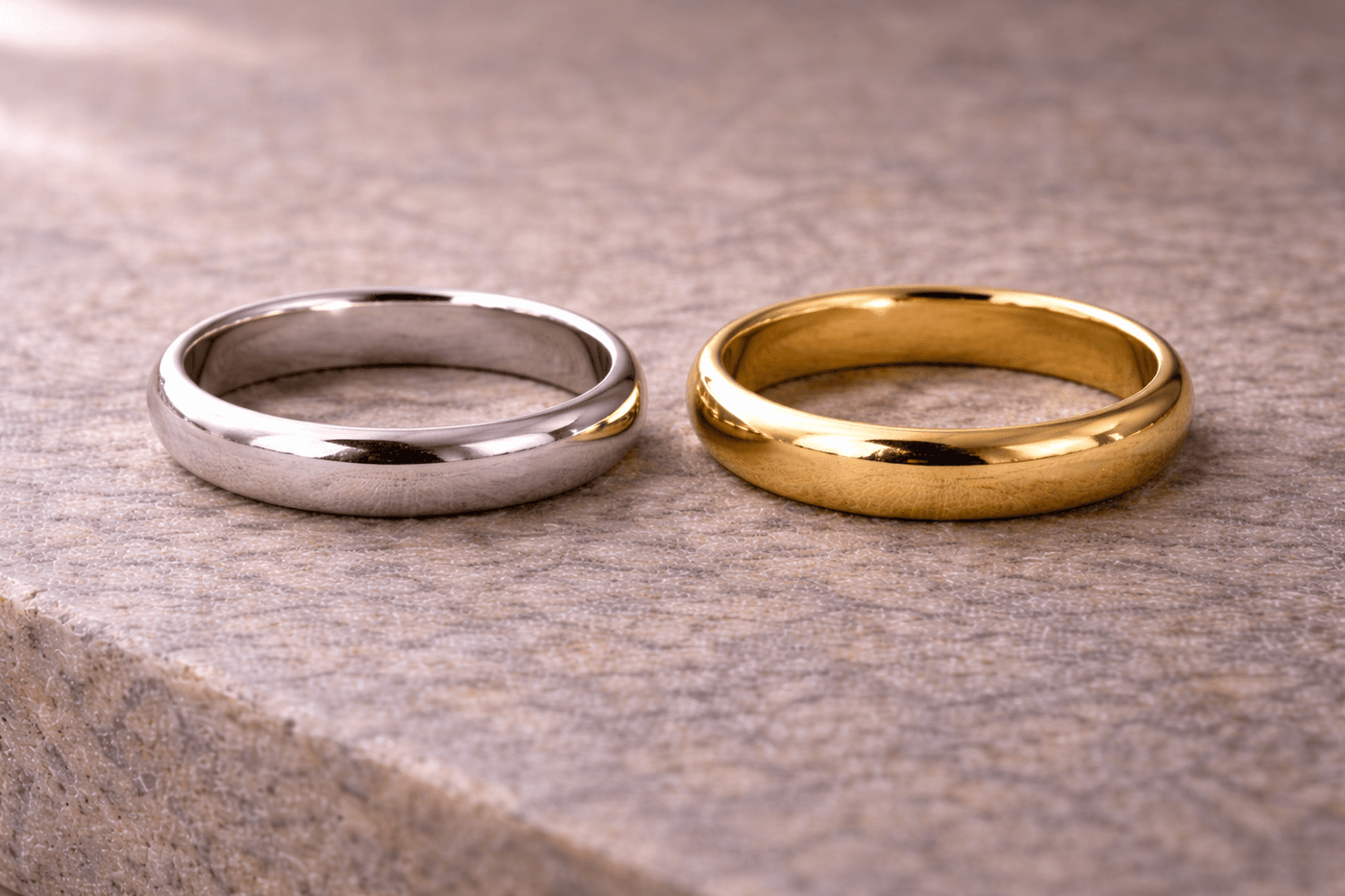

We are fascinated by the beauty and meaning of precious metals. Gold and platinum have been fighting for attention in jewelry for a long time, and each has a different story to tell. Gold has been popular since ancient times because it has a warm glow and can be shaped easily. Platinum, on the other hand, is a thick, naturally white metal that stands for strength and purity(3). If you're looking for an engagement or wedding ring, it can be hard to choose between these two metals. In addition to how it looks, you should also think about how long it will last, how sensitive your skin is, how much it costs, and how long it will last. This guide clears up the differences between platinum and gold by looking at their makeup, how they change, and their pros and cons. By the end, you'll know how to judge quality, choose the metal that fits your style and budget, take care of your jewelry, and make a choice that reflects your personality and love story. You can make smart investments in gold, platinum, or any other metal if you know what they are(1).
What is the difference between gold and platinum?

Both platinum and gold are noble metals, which means they don't rust or tarnish. Platinum (Pt) is a heavy metal that is silver-white and has a high melting point. It also resists corrosion very well. It is naturally soft and ductile, so small amounts of iridium or ruthenium are often added to make alloys that make it stronger while keeping its bright white color.(4)Platinum doesn't tarnish, and scratches move metal around instead of wearing it down. This means that it keeps its volume and can be polished again without losing much. Gold (Au) is one of the densest and most malleable elements. It is famous for being able to be stretched into wire or beaten into thin sheets. Pure gold doesn't tarnish, but it's soft, so jewelers mix it with metals like silver, copper, and zinc to make it stronger and give it different colors. Karats (24K is pure) tell you what kind of gold it is. For example, Pt950 means 95% platinum.(3)
Platinum:
Platinum is a bright, icy white color that doesn't need rhodium plating. Most platinum alloys used in jewelry are made of either 90% platinum and 10% iridium or 95% platinum and 5% ruthenium(3). These alloys make the metal stronger while keeping its shiny look. Many people think of luxury when they see rings made of platinum because it is dense and heavy. Because it is very pure and doesn't have any nickel in it, platinum is hypoallergenic and great for people with sensitive skin(2). It doesn't wear out very easily; scratches move metal aside instead of taking it away, so the ring keeps its weight and can be polished back to a mirror finish(5). Platinum was once used in laboratory equipment and industrial uses like catalytic converters. In the late 1800s and early 1900s, it became popular for jewelry, and it is still a high-end choice for diamond engagement ringss.s.
Gold:
Gold is naturally a warm yellow color, but when it is mixed with other metals, its color and hardness change. 18K gold is 75% gold and 25% alloy metals, 14K gold is 58.3% gold, and 24K gold is pure gold. When you mix gold with copper, you get a deeper yellow or rose color. When you mix gold with nickel and zinc, you get white gold. Alloys make gold harder and less likely to wear out. The reason: pure gold is soft. Some metals that are mixed in with gold can cause skin reactions in people who are sensitive to them. Gold itself is not reactive, but nickel and other additives can cause allergies.(3)
Jewelers can make intricate designs with gold because it is malleable, and it is always in demand for engagement rings, wedding bands, necklaces, and bracelets because it never goes out of style. If you want white gold to stay bright white, it needs to be plated with rhodium. If you don't want that, white gold may turn yellow over time(6).
Types / Variations of Platinum and Gold
Platinum Alloys

Platinum jewelry doesn't use pure platinum very often because it is too soft. Instead, it is mixed with other metals to make it stronger. Some common alloys are 950 platinum (95% platinum, 5% ruthenium) and 900 platinum (90% platinum, 10% iridium). Iridium, palladium, rhodium, and ruthenium are all metals in the platinum group. They can be mixed to change the color or hardness of the metal. (3) Platinum alloys keep their color and don't need to be plated. They weigh more than gold alloys, which gives jewelry a rich feel. Platinum alloys are naturally hypoallergenic, so they are good for people who are sensitive to metals. They are also often used for prongs and bezels to hold luxury gemstone collections securelys securely(1).
Gold Karats and Colors


Gold can be very pure or very dirty, and its color can change a lot. 24K gold (99.9% pure) is a bright yellow color, but it is too soft to wear every day. 18K gold (75% gold) is a good mix of rich and long-lasting; it usually has silver and copper in it. 14K gold (58.3% gold) is harder and less likely to get scratched, which makes it great for people who are active. Alloying causes color changes: adding copper makes rose or red gold, combining nickel and zinc makes white gold, and mixing silver makes green gold. Rhodium plating is usually used on white gold to make it look bright white. Without plating, it will slowly turn a light yellow color(2). Rose gold is a popular choice for modern bridal jewelry because of its warm tone. Yellow gold is still a classic diamond settings choice. Different karats have different hallmarks: "750" for 18K and "585" for 14K. These marks can be used to show the quality of jewelry. choice. Different karats have different hallmarks: "750" for 18K and "585" for 14K. These marks can be used to show the quality of jewelry.(3)
How to Identify Quality in Platinum and Gold

When checking the quality of platinum or gold jewelry, the first two things to look for are real hallmarks and a reliable certification. Gem labs with a good reputation, like GIA and IGI, can check the quality of both the metal and the stones. A certificate of authenticity can also help the value last.
Hallmarks are the first thing you should look for on the jewelry itself. Platinum is often stamped with marks like "Plat," "Pt," or numbers like 950 or 900. These show how much pure platinum is in the alloy(1). For 18-karat gold, the stamp says "18K" or "750," and for 14-karat gold, it says "14K" or "585"(3). You can usually find these stamps on the inside of a ring band or near the clasp of a necklace or bracelet. They prove that the metal is pure enough to meet legal standards.
Craftsmanship is just as important as stamps. Look closely at the finish and how the piece is put together: the prongs should be straight and hold the stones securely, the edges should feel smooth, and the clasps should close tightly. Platinum jewelry that is well-made will feel solid and heavy, and the polishing will be clear. Gold jewelry that is well-made should not have any visible solder lines, weak joints, or thin spots.
In the end, the best way to be sure that your platinum or gold jewelry is real, well-made, and built to last is to buy it from a jeweler who is authorized and choose pieces that have clear hallmarks and reliable certification(1).
Buying Guide: How to Choose the Right Metal
Budget Considerations
Differences in the prices of platinum and gold affect people's decisions to buy. Gold has always been a good balance between luxury and cost because it is cheaper than platinum but more expensive than silver and tungsten. Platinum is now cheaper than gold per ounce because there is less demand for it in industry (especially because catalytic converters in electric vehicles are no longer needed). Platinum jewelry costs more because it takes more work to get a great shine. Even though the price per ounce is lower, it often costs more overall. Think about how much money you have and the right choice depends on your skin sensitivity, daily activity, and how much you value a naturally white finish.(2)
Lifestyle and Durability
For people who are active or work with their hands, metal durability is important. Platinum doesn't wear down easily and keeps its shape for decades. Many people like the vintage look of scratches, but they can be cleaned off for a bright shine. Gold is softer, especially higher karats, so it scratches more easily. Alloys of 14K and 18K gold are stronger and last longer than pure gold(3). If you want a classic yellow or rose color and don't mind small flaws, gold is a good choice. Some people might be willing to pay more for platinum because it lasts a long time and looks great as it ages(5).
Occasion and Style Preferences
The metal you chose could show off your style or the meaning of the piece. Platinum's natural white color goes well with diamonds and colored gemstones without changing their color, which makes it great for modern designs(6). Many types of gold: yellow gold is classic and warm, white gold is bright like platinum but softer, and rose gold is romantic and old-fashioned. Think about how the ring looks. Platinum works well for small filigree or hidden settings, while gold works well for detailed hand-engraved patterns. If you change styles, gold's ability to be scaled and changed could be useful(2).
Skin Sensitivity and Allergies
If you have metal allergies, you might have to choose differently. Platinum is hypoallergenic because it has few alloy metals and no nickel(2). People with sensitive skin choose platinum or palladium to avoid discomfort. Gold itself doesn't react with other metals, but gold alloys may have nickel, copper, or other metals that can cause contact dermatitis(3). If you are allergic to nickel, you might want to look into white gold, yellow gold, rose gold, or platinum that doesn't contain nickel. Nickel can be found in white gold unless it is mixed with palladium. Always ask a jeweler about the composition of the alloy and pick metals that won't cause allergies.
Long‑Term Value and Resale Potential
The value of metals as investments depends on how rare they are and how much people want them. There are 190 tonnes of platinum mined each year, which is less than gold (3,000 tonnes). There is also 5% as much platinum above ground. Platinum used to be more expensive than gold, but since people are moving away from internal combustion engines, demand and price have gone down. Gold is a well-known currency and a way to save money. Central banks have a lot of money. When you sell jewelry again, the brand's craftsmanship and the purity (karat or alloy) affect the price. Designer-marked high-karat gold or platinum items that are made in small quantities are often worth more than mass-produced items. People should think of precious metals as sentimental and long-lasting purchases, not quick investments.(7)
Care, Cleaning & Maintenance

Taking care of gold and platinum jewelry will help it stay beautiful and last longer. For regular cleaning, soak your jewelry in warm water with a little bit of mild dish soap. Then, use a soft toothbrush to clean it gently. Stay away from strong chemicals like bleach or chlorine, as these can make metal alloys weaker and dull the finish. After cleaning, make sure to rinse well and dry with a cloth that doesn't leave lint behind.
Platinum doesn't need a lot of care. It gets a soft patina over time that many people like, but if you want a brighter shine, you can have it professionally polished every few years. White gold needs a little more care because its rhodium plating wears off naturally and may need to be reapplied every so often to keep it looking bright white. Polishing yellow and rose gold every so often can also help get rid of scratches and bring back the shine.(2)
To keep your jewelry from getting scratched, put each piece in its own soft pouch or lined box when you store it. It's also a good idea to have a jeweler check your prongs and settings once a year. Gold prongs can wear down over time, but platinum prongs are very strong. To keep gemstones safe, gold prongs may need to be reinforced(6).
Common Myths & Misconceptions
There are a lot of common misconceptions about jewelry made of gold and platinum.
Myth 1: Gold is always cheaper than platinum.
This used to be true, but it isn't always true now. Platinum is currently less valuable than gold because there is less demand for it in industry. Platinum jewelry can still cost as much as or more than gold, though, because it needs more metal by weight and is harder to make(2).
Myth 2: Gold gets dirty or rusts easily.
Gold that is pure does not rust, tarnish, or corrode. This is why ancient gold objects have stayed in great shape for thousands of years(3). The metals that are mixed with gold to make gold jewelry tarnish, not the gold itself.
Myth 3: Platinum doesn't get scratched.
Platinum can get scratched, but it acts differently than gold. Platinum scratches don't wear away the metal; instead, they move it aside, leaving a soft patina over time without losing any mass. You can polish out these marks to bring back the original finish(5).
Myth 4: Platinum and white gold look the same.
They may look the same at first, but they are not. White gold is yellow gold that has been mixed with white alloys and then coated with rhodium. As the rhodium plating wears off, a warmer yellow color may start to show through(6). Platinum, on the other hand, is naturally white and will never turn yellow. However, it does get a matte patina with use(2).
Myth 5: Pure gold is the best metal for rings you wear every day.
For everyday wear, pure gold (24K) is too soft. That's why gold is mixed with other metals to make stronger options like 14K or 18K, which are better for rings and bracelets.
Myth 6: Platinum makes skin allergies worse.
Platinum is very hypoallergenic. One of the best choices for people with sensitive skin or metal allergies is this one because it is very pure and doesn't have any nickel in it(2).
Pros & Cons of Platinum and Gold
|
Attribute |
Platinum |
Gold |
|
Color |
Naturally white; no plating needed |
Yellow by nature; white and rose hues achieved through alloying and rhodium plating |
|
Purity Mark |
Typically 90 %–95 % (e.g., Pt950) |
58.3 % (14K), 75 % (18K), etc. |
|
Durability |
Very wear resistant; scratches displace metal and ring retains weight |
Softer; higher karats scratch more easily, though alloying increases strength |
|
Maintenance |
Develops patina; may require polishing every few years |
White gold needs rhodium re‑plating; yellow/rose gold benefit from occasional polishing |
|
Hypoallergenic |
Yes; high purity and no nickel |
Varies; nickel in white gold may cause reactions |
|
Weight |
Denser; rings feel heavier on finger |
Lighter; comfortable for those who prefer less weight |
|
Price |
Per ounce currently lower than gold but higher labor costs; historically more expensive |
Varies by karat; historically mid‑priced between platinum and silver |
|
Rarity |
Approximately 190 tonnes mined annually; about 5 % of gold’s above‑ground stock |
Around 3,000 tonnes mined annually; widely available |
Trends & Modern Market Demand
People's tastes change over time, but platinum and gold are still very popular in fine diamond jewelry. Recent studies in the platinum industry show that 70% of people choose platinum when they have the choice. One big reason is that it is naturally white, so it doesn't need rhodium plating and looks great with diamonds. Platinum is also often sold as a sign of exclusivity because it is about 30 times rarer than gold.. Recent studies in the platinum industry show that 70% of people choose platinum when they have the choice. One big reason is that it is naturally white, so it doesn't need rhodium plating and looks great with diamonds. Platinum is also often sold as a sign of exclusivity because it is about 30 times rarer than gold.(6)Platinum has become more popular with designers and buyers in recent years because it is now more affordable and more durable(5).
Gold is still a very important part of the jewelry market, though. Yellow, white, and rose gold are still the most popular colors for weddings and fashion. that there are so many karat options means that people can find the right balance between durability, color, and price(3). Gold's long-standing reputation as a safe-haven asset can also make people more interested in it during times of economic uncertainty. This shows how important it is to both culture and finance. Platinum and gold are still very popular in the 2020s because they appeal to different tastes, lifestyles, and price ranges.
Investment & Resale Value
for supply, platinum is much less common than gold. Platinum production is about 190 tonnes a year, while gold production is about 3,000 tonnes a year. Platinum makes up only about 5% of the gold supply above ground. In the past, this lack of availability made platinum more expensive. Platinum prices have gone down, though, because there is less demand from industry, especially the automotive sector. Right now, it costs about half as much as gold per ounce.(7)
Gold, on the other hand, is still a very important global reserve asset. Central banks and governments hold about 45% of the world's gold for monetary purposes. If the jewelry is well-made and properly certified, both metals can keep their value when you sell them again. Platinum is denser, so it has more precious metal by weight, but the resale market can be smaller. High-karat gold jewelry is often better known and has a larger group of potential buyers.
In the end, fine jewelry should be seen more as a way to dress up and a possible heirloom than as an investment. If you only want to invest in precious metals, bullion and coins are better than jewelry that you can wear because they give you more stable returns(7).
Who Should Buy Platinum or Gold?
Consider platinum if:Different people with different lifestyles, tastes, and priorities are drawn to gold and platinum. If you want a naturally white metal that won't need to be replated over time, platinum is a great choice. People with sensitive skin will love it because it's hypoallergenic, and people who want their gemstones to last as long as possible and be as safe as possible will love it too. Platinum feels heavy and luxurious because it is rare, which makes it even more prestigious. Platinum is popular with people who like clean, modern, or minimalist designs because its neutral color makes both diamonds and colored gemstones look even better(6).
Choose gold if: On the other hand, gold is both traditional and flexible. If you like warmer colors or want more choices in color and karat, this is the best choice. Yellow gold looks great with styles that are inspired by the past. White gold looks a lot like platinum but costs less. Rose gold adds a soft, romantic touch. 14K gold is better for everyday wear, especially for people who are active, because it is a little harder and less likely to get scratched(3). People who value heritage and see gold as a long-term investment also like it.
Ultimately, the right choice is whatever feels right to you, whether that's platinum's understated strength and purity or gold's warmth, versatility, and timeless appeal.
Frequently Asked Questions – FAQ
Q1: Why is platinum more durable than gold?
Platinum’s high density and atomic structure make it very wear resistant; scratches displace metal rather than remove it, so a platinum ring retains its weight and can be polished back to a bright finish(5).
Q2: Does gold tarnish or corrode over time?
Pure gold does not oxidize or corrode; it maintains its color and luster indefinitely(3). However, gold alloys may darken or react if other metals like copper or silver are present.
Q3: Is platinum always more expensive than gold?
No. Historically, platinum commanded higher prices, but today platinum per ounce costs less than gold because of decreased industrial demand. Platinum jewelry can still be pricey due to labor‑intensive crafting and high purity(2).
Q4: What are karats in gold?
Karat indicates gold purity. For example, 18K gold is 75 % pure gold (18/24 parts), while 14K gold is 58.3 % pure (14/24 parts)(3). Higher karat gold has a richer color but is softer.
Q5: Is white gold the same as platinum?
No. White gold is yellow gold alloyed with metals like nickel or palladium and plated with rhodium to achieve a bright white color. Over time, the plating wears away and may show a yellow hue. Platinum is naturally white and does not require plating(2).
Q6: How can I tell if my ring is platinum or white gold?
Check the hallmark: platinum pieces are marked “Pt,” “Plat,” or numbers like 950 or 900, while white gold pieces are marked 10K, 14K, 18K or similar(1). A jeweler or assay test can confirm the metal.
Q7: Does platinum cause skin allergies?
Platinum is hypoallergenic and unlikely to cause allergic reactions due to its purity and lack of nickel(2).
Q8: Which metal is better for holding diamonds?
Platinum’s strength and density make it an excellent choice for prongs and settings that secure diamonds; platinum prongs are less likely to wear down compared to gold prongs(6).
Expert Jeweler Tips
-
Inspect hallmarks before purchasing.Look for “Pt950” or “18K/14K” stamps to confirm purity(1). A reputable certificate from GIA or IGI ensures authenticity and provides gem details.
-
Match the metal to the gemstone.Colorless diamonds often appear brightest in platinum because its neutral tone enhances their whiteness. Colored gemstones or antique cuts may be complemented by yellow or rose gold.(6)
-
Consider lifestyle selecting karat. Choose 14K gold for everyday wear since it is harder than 18K; use 18K for special occasion pieces to enjoy a richer color(3).
-
Plan for maintenance.White gold requires periodic rhodium plating; platinum may need occasional polishing to remove patina. Schedule regular check‑ups with a jeweler to inspect prongs and clasps(2).
-
Choose hypoallergenic alloys if sensitive.Opt for platinum or nickel‑free gold alloys to minimize skin reactions(3).
-
Think about long‑term upgrades.Gold’s malleability makes it easier to resize or redesign rings later; platinum is more challenging to alter because of its density and high melting point(2).
Conclusion
Platinum and gold are both very important in jewelry and culture. People love platinum because it is rare, has a natural white color, is hypoallergenic, and lasts a long time. Gold's warm colors, ability to be shaped, and long history as a symbol make it appealing. It comes in a range of karats and colors to suit different tastes. Choosing between them means weighing your tastes, budget, lifestyle, and long-term value. Platinum is a good choice for people who want a modern, secure ring that won't turn yellow and who like the feel of a heavier ring. Gold is a great choice for people who want something that can be used in a lot of different ways, has a classic or vintage feel, and is less expensive. No matter what you choose, buying certified, well-made pieces will make sure they look good and last a long time. The metal you choose will always be a part of your story, reminding you of love, commitment, and your own style every day. With the information in this guide, you can choose a ring or piece of jewelry that shows who you are and will last for a long time.
Check out our carefully chosen collections of platinum and gold jewelry to see how beautiful these metals are for yourself. You can find the perfect ring or accessory by visiting our showroom or looking through our online catalog. Set up a meeting with one of our expert gemologists to get personalized advice. Sign up for our newsletter to get educational information and special deals.
Two precious metals. One timeless choice.
Discover platinum and gold engagement rings designed to endure atDiamond and Sapphire.
Read more
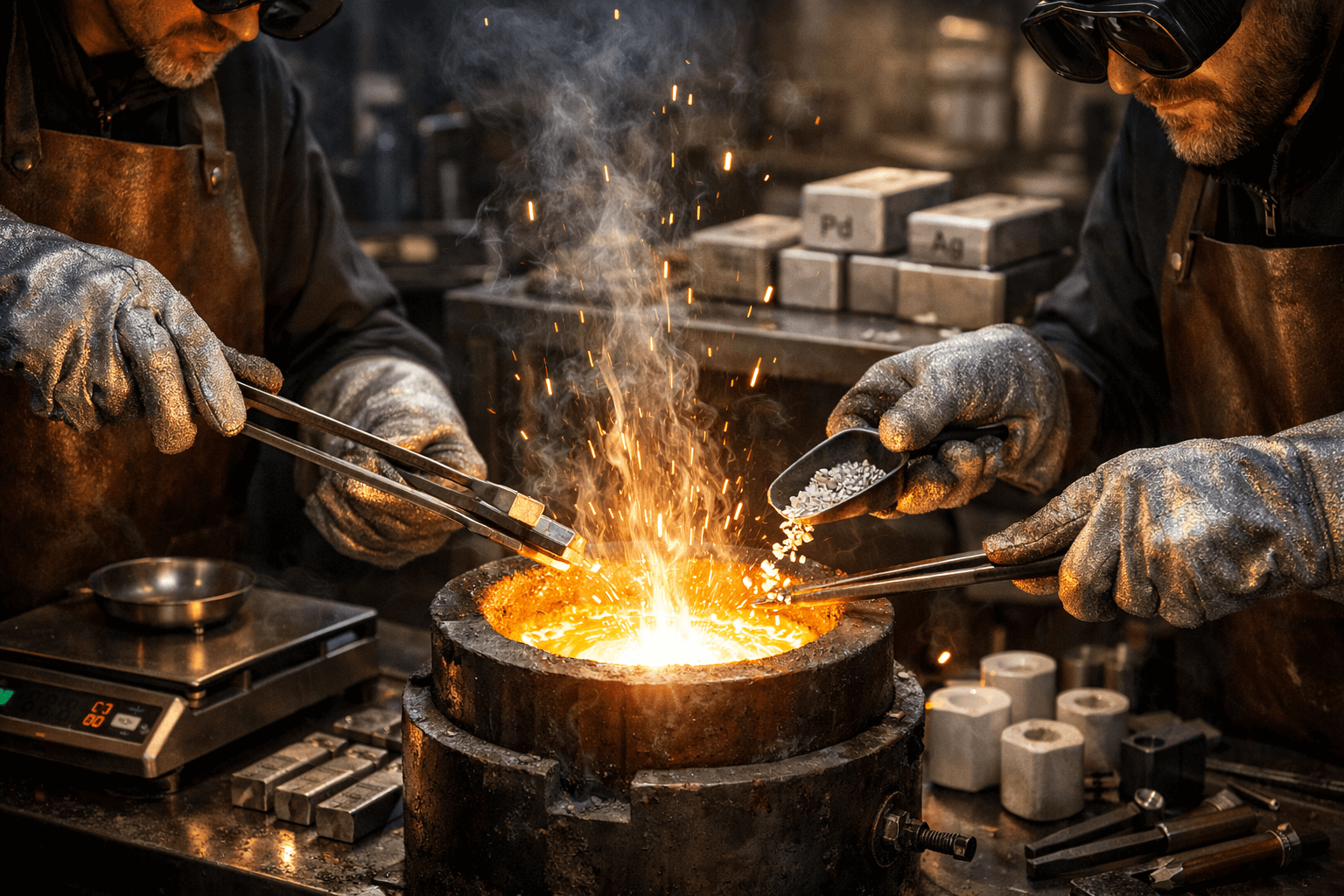
To make white gold, yellow gold is mixed with white metals like nickel, palladium, zinc, or copper. Then, rhodium is used to cover it for a bright, white finish (1). 14K (58.3% gold) and 18K (75% g...
Read moreTo make white gold, yellow gold is mixed with white metals like nickel, palladium, zinc, or copper. Then, rhodium is used to cover it for a bright, white finish (1). 14K (58.3% gold) and 18K (75% g...
Read more