
Parts of An Engagement Ring
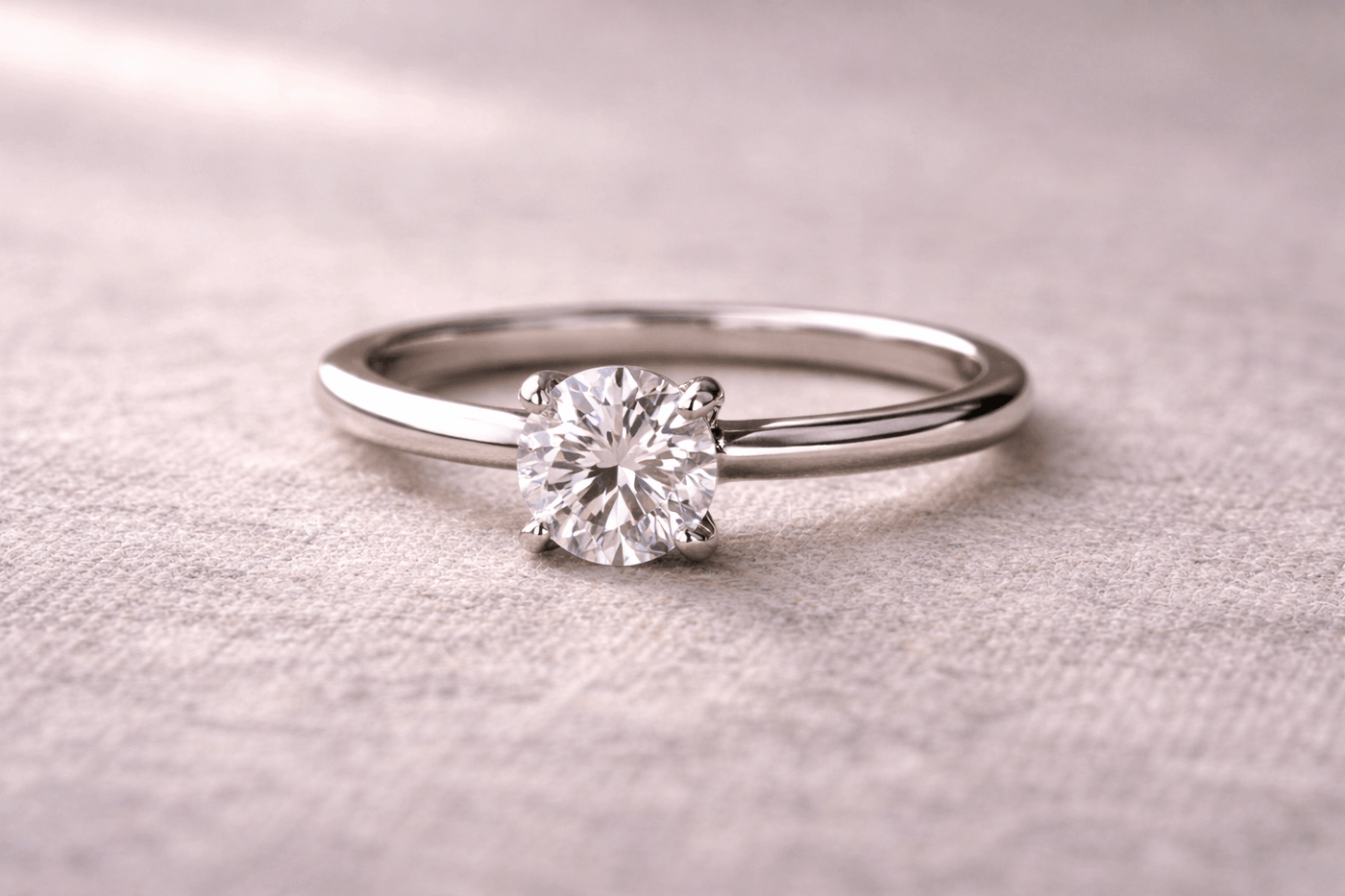

An engagement ring is a daily emblem of love and commitment—one of the few pieces of jewelry worn as a constant reminder of a promise made. Understanding what each part means will help you choose with clarity and confidence. This guide covers the ring's key components (from band to setting), popular styles, quality indicators, how to select the right ring, and how to care for it. By the end, you will know exactly what goes into an engagement ring and how to choose the right style for your partnership. (1)
What Are the Parts of an Engagement Ring?
Every engagement ring shares a set of essential components. The shank is the circular portion that wraps around the finger, with shoulders on either side supporting the top of the band. The bezel or setting holds the gem (1). The shank (band) gives the ring its shape and holds the setting in place. The head (setting) is the metal framework that keeps the center stone in place. A bezel is a thin metal ring that goes around and protects the gem, while prongs (or claws) are small metal projections that hold the stone. A lot of designs also have a halo of smaller stones or side stones along the shoulders. The band, setting, prongs or bezel, and any accent stones work together to form the complete ring. (1)
Types / Variations of Engagement Ring Styles
Solitaire Engagement Ring

Appearance: A solitaire ring places a single center gemstone on a plain band, emphasizing simplicity and elegance.
Composition: Typically a metal band (gold, platinum, etc.) with one main stone set at the top.
Durability: With only one stone and minimal metal work, solitaires are durable but rely on secure prongs or a bezel. Prong settings should be robust to keep the stone safe.
Common Uses: This timeless, classic style is popular for traditional proposals and suits virtually any personal style. It’s often chosen by those who prefer understated elegance. Its versatility means you can upgrade or personalize it later (3).
Halo Engagement Ring

Appearance: A halo ring features a central gem encircled by a ring (halo) of smaller accent stones, adding sparkle around the main diamond.
Composition: It combines the metal band, center stone in a setting, plus multiple tiny pave or bezel-set diamonds forming a halo.
Durability: The extra stones and metalwork make it slightly more delicate; the smaller gems require a secure setting. However, the design distributes impact, giving moderate durability.
Common Uses: Halo styles appeal to buyers who want extra brilliance and the visual effect of a larger center stone. Their glamorous, eye-catching look suits those who want to make a confident statement. (3)
Pavé Engagement Ring

Appearance: Pavé rings have bands encrusted with tiny diamonds set flush into the metal, so the ring’s surface appears to be “paved” with gems.
Composition: A metal shank or band covered in rows of small diamonds held by small beads or prongs. The center stone (if any) stands out against this glittering backdrop.
Durability: The small diamonds can be more prone to coming loose if knocked, so precision craftsmanship is vital. With proper setting, it’s durable for everyday wear, but it’s best to avoid hard knocks.
Common Uses: Pavé settings add a very high level of sparkle and are popular in modern and vintage-inspired designs. They are a common choice for those who want maximum brilliance and a luxurious look. (3)
Three-Stone Engagement Ring

Appearance: A three-stone ring displays a large center gemstone flanked by two smaller stones on each side. This creates a “trio” of gems.
Composition: Usually a metal band supporting three stones (either all diamonds or mixed gems), often with the center stone being the largest.
Durability: Similar to solitaires but with more stones. Well-made settings keep all three gems secure. The multi-stone design can distribute wear, but additional stones mean more areas to inspect over time.
Common Uses: This style is symbolic (often said to represent past, present, and future) and allows for creative combinations (e.g., different shapes or colors). It’s chosen by those who want extra meaning and glamour beyond a single-stone ring. (5)
Five-Stone Engagement Ring

Appearance: A five-stone ring typically has a row of five gems, either equally sized or graduated, often set across the top of the band.
Composition: A band with five diamonds (or gems) in a row. The center stone is usually prominent, with two smaller stones on each side.
Durability: More stones mean more prongs to maintain, but a sturdy setting gives good durability. As with pavé, careful setting prevents stones from loosening.
Common Uses: Five-stone rings are perfect for those who love symmetry and extra sparkle. They combine elegance with brilliance and can be used to mix colors (for example, sapphires alongside diamonds) for a personalized look.
How to Identify Quality in Ring Components

Quality in an engagement ring comes down to three areas: certification, metal purity, and craftsmanship. Start with the stone. A grading report from a respected lab—GIA or IGI—confirms the stone's authenticity and provides clear information on color, clarity, cut, and carat weight. A grading report is the foundation of informed, confident diamond ownership (4).
Next, examine the metal. A quality ring will carry hallmarks indicating purity: "750" for 18K gold, "PT950" for platinum. These marks are part of long-standing industry standards designed to protect consumers (6).
Finally, examine craftsmanship. Well-made rings have smooth finishes, evenly shaped prongs, and tight settings with no sharp edges. Strong, well-proportioned prongs are critical to keeping stones secure—quality prongs are often made from robust platinum alloys (8).
The surest indicators of a ring that will endure: appropriate certification, clear purity markings, and evident craftsmanship.
Buying Guide: How to Choose the Right Ring
Budget: Set a spending limit early. Engagement ring budgets vary widely, and the old "two months' salary" rule carries no real authority. Surveys place the average American spend around $5,500—use that as a reference point, but set a budget that works for your situation. Smart buying requires balancing size, quality, and price. Compare options within your range; beautiful rings exist at every price point. (9)
Lifestyle: Consider daily habits and personal style. A bezel or channel setting protects the stone for active wearers. Metal allergies are also worth thinking about: 18K gold and platinum are less likely to cause reactions. Durability is a clear priority for most buyers—around 70% of ring purchasers prefer platinum for its longevity and white brilliance (5). Choose a metal that works with the person's skin and lifestyle. For a wedding ring that will last, use platinum or 18K gold. If you need a harder metal, use 14K gold.
Occasion and Long-Term Value: Think about the meaning of the ring and how much it will be worth in the long run. If this is something you want to pass down, make sure it is well-made and has a certificate. Stones with an official GIA report "have true verification of their value" (9). Make sure that any diamond is graded by a lab like GIA or IGI. Cut and clarity that will last: a well-cut diamond sparkles forever. Also think about whether lab-grown stones will help you reach your goals. They can make a stone look bigger while staying within your budget. In the end, you should look for the best quality (4Cs) that your budget allows for the most long-lasting value (3).
Care, Cleaning & Maintenance
With proper care, your ring will stay beautiful for years.
Cleaning: Wash your ring at home using warm water, a few drops of mild dish soap, and a soft brush. Lint-free cloths and mild commercial jewelry cleaners are safe for diamonds. Avoid strong chemicals, abrasives, and at-home ultrasonic cleaners (7). Don't use steam cleaners at home because they can loosen stones. After cleaning, rinse well and dry with a soft cloth.
Inspect your ring regularly for loose stones or bent prongs. Diamonds are so hard they can gradually wear the metal of their setting (7). Take the ring to a professional immediately if you notice chips or a loose stone. A yearly prong check and tightening is a good preventive habit. Jewelers can also restore the ring's polish and re-tip prongs, keeping the ring secure and beautiful.
Common Myths & Misconceptions
-
Myth: You have to spend two or three months' worth of pay on a ring.
This old rule is just a way to sell things. In reality, "there is no hard and fast rule" for how much to spend on an engagement ring. You should figure out how much you can spend and stick to it. The ring's real value is sentimental; in the end, "the ultimate value of a diamond isn't what it costs, but the love that goes into giving it". (2) -
Myth: Diamonds can't be broken.
Diamonds are the hardest known gemstone and will scratch anything except another diamond, but they can still chip. A sharp impact along a crystal plane can chip or fracture a diamond (2). So, if you hit a diamond just right (especially with pointed cuts), it can chip. It's not true that diamonds can't be damaged. -
Myth: Lab-grown diamonds aren’t “real.”
Lab-grown diamonds are actually the same in every way as mined diamonds. They are just as bright, but cost much less. For instance, a lab-grown stone can cost about a quarter of what a mined diamond of the same size and quality would cost. This means that you can buy a bigger or better stone without spending a lot of money. You can choose between natural and lab-grown diamonds, but you can be sure that lab-grown diamonds are "near identical" to natural ones in every important way. (9)
Pros & Cons of Engagement Ring Features
|
Feature / Style |
Pros |
Cons |
|
Prong Setting |
Maximizes light and sparkle on the center stone; minimal metal visible for a classic look. |
Prongs can snag on clothing and may wear over time, requiring periodic tightening. |
|
Bezel Setting |
Provides maximum security and protects stone edges; modern sleek look; no snagging. |
Covers more of the gem, slightly reducing visible sparkle and can look heavier. |
|
Halo Accent |
Surrounding diamonds make the center stone appear larger and add brilliance. |
More intricate design can make cleaning harder and add cost; may appear less simple to some. |
|
Pavé Band |
Extremely sparkly due to many small stones; adds glamour. |
Many small stones increase risk of loosening; repair or resizing can be more complex. |
|
Mixed Metals |
Combines colors (e.g., white gold & yellow gold) for a unique, modern look. |
Requires precise alloying/crafting; two-tone finish can wear unevenly over time. |
Trends & Modern Market Demand
Today's buyers favor designs that are distinctive and expressive. Vogue says that platinum and mixed-metal rings are coming back because they look sleek and modern (9). More and more people are realizing how rare and strong platinum is. Many designers say they are getting more requests for platinum. Combining metals, like a white gold setting with a yellow gold band, is also a popular way to add contrast.
Colored gemstones and bold cuts are drawing strong interest. Jewelers report growing demand for distinctive center stones—sapphires, emeralds, and other colored gems—as couples seek rings that reflect their personality. There is "huge demand" for green, teal, and pink tones, rainbow designs, and fancy cuts like emerald and oval (9). Couples are moving away from generic styles and toward custom designs because they want color and uniqueness.
Multi-stone settings are equally popular. Industry experts have noted that "three-stone and multi-stone engagement rings are making a comeback" (5). Three-stone designs are very popular because they represent the past, present, and future, and they show off fancy cuts (like marquise, pear, and others) in interesting ways.
Lab-grown diamonds are reshaping the market. Demand for natural diamonds persists, but the growing availability of high-quality lab-grown stones at lower prices has allowed buyers to choose larger center stones. Studies show rising willingness to purchase lab-grown jewelry year over year, often motivated by the desire for a larger stone. One trend expert notes the shift toward bigger stones is "facilitated by the prevalence of lab-grown diamonds" (5).
Investment & Resale Value

Engagement rings carry deep emotional value but are rarely sound financial investments. Unlike gold or stocks, diamonds have no standardized secondary market, so resale prices vary significantly. In practice, selling a diamond typically returns less than the original purchase price due to retailer markups (10). People who buy rings should think of them as personal items, not short-term investments.
If you're worried about losing value, focus on quality. A diamond that is well-cut, colorless, and certified is more likely to keep some of its value. Keep in mind that lab-grown diamonds lose value faster than natural ones right now, and they sell for less on the resale market. However, lab-grown stones let you get a bigger diamond for the same amount of money, and more than half of all engagement rings sold in the U.S. are now lab-grown. This change has caused natural diamond prices to go down, but it also means that couples can get a bigger rock for their money. In short, if you want to sell your ring later, stick with high-quality stones (higher 4Cs) and metals. Also, remember that a ring's true value is often in its personal meaning, not its cash value. (10)
Who Should Buy These Rings?
An engagement ring is for anyone ready to make a formal commitment to a partner.
Classic Styles: Halo and Solitaire A solitaire is "a timeless classic" and has been the most popular style for many years (3). A solitaire or halo ring is ideal for those who appreciate tradition, quiet elegance, or the option to add details later—explore our diamond engagement rings to find yours. People who like old-fashioned glamour or a little extra sparkle will like halo or pavé designs.
Trend-Setters (Colored Gems, Unique Cuts): Couples who want something different should look at rings with center stones that are shaped or colored in a unique way. People who work with jewelry say there is a growing demand for gemstones with bright colors and fancy cuts, like emeralds and ovals (9). A three-stone or designer custom style with colored sapphires or emeralds might be perfect for you if you want a ring that is unique and stands out. These let people express themselves through color and symbols.
Budget-Conscious Buyers: Lab-grown diamonds are a good option if you want a big stone that doesn't cost a lot of money. A lab-grown gem is "almost identical" to a mined stone at a fraction of the cost; see our full rings collection for lab-grown and natural options side by side (9). This means you can get a bigger or clearer diamond for the same price. In short, people who buy engagement rings can be traditional romantics who choose classic metal and diamond combinations, modern people who choose unique stones or mixes of metals, or smart shoppers who use lab-grown stones to get the biggest size possible. Pick the ring parts and style that fit your partner's taste, way of life, and budget.
Frequently Asked Questions
Q: What are the main components of an engagement ring?
A: The shank, head, and accent stones are essential. Circular metal rings wrap the finger as the band. The metal head or setting holds the main gemstone. Prong and bezel settings are common. Engagement rings often incorporate a halo of lesser diamonds or shoulder stones. Every ring has a hoop, shoulders, and a bezel to attach the stone.
Q: What is the shank or band of the ring?
A: The ring's shank (or band) rings the finger. The shank is “the circular part of a ring that slips around the finger; you might hear it referred to as the band” (1). It supports the setting and stones and is the ring's basis. Bands can be gold or platinum and vary in width and design, but they all support the engagement ring.
Q: What is the head or setting of a ring?
A: The head (or setting) of the ring contains the center gemstone. It sits on the shank and might be prong, bezel, tension, etc. A prong setting has small metal claws that grab the stone from the sides, while a bezel setting has a metal rim around the stone. The head is “the part of the mounting that holds the center diamond in place” (1). The head shape impacts the center stone's appearance and security.
Q: How do prong and bezel settings differ?
A: Prong settings hold gems with 4–6 metal claws that extend over them. Lifting the stone above the band maximizes light exposure and brilliance, but the prongs can snag clothing. Bezel settings have a metal rim around the stone. This entirely encircles the gem for optimal edge protection. Bezels minimize snagging and give the stone a sleek, modern style, but they cover more of its surface, diminishing its brilliance (1).
Q: What are the Diamond 4Cs, and why do they matter?
A: The 4Cs—Carat (weight), Color, Clarity, and Cut—are the industry-standard diamond quality and value parameters (3). Color scores how colorless the diamond is, clarity evaluates internal faults, and cut measures how nicely it is carved for brilliance. Each “C” affects stone look and rarity. A diamond with excellent clarity or color grade is uncommon and worth more. Learn the 4Cs to compare diamonds and choose the best quality within your budget.
Q: Why is having a diamond certificate important?
A: A diamond certificate (grading report) from a reputed lab like GIA or IGI evaluates the stone's 4Cs and validates its natural or lab-grown status. IGI calls these studies the “foundation for informed and confident diamond ownership,” providing a complete study of the gemstone (4). A certificate helps you avoid overpaying, identify what you're buying, and value or resell it. Request a grading report when buying an engagement ring.
Q: How often should I clean and inspect my engagement ring?
A: Gently clean your ring once a month at home and check for concerns every few months. Diamonds “can be cleaned safely” using warm water, light soap, and a gentle brush, according to GIA (7). Avoid strong chemicals and household abrasives. Diamonds wear metal surfaces over time, so examine prongs and settings for looseness. See a jeweler immediately for a wobbly stone or bent prong. To maintain the ring shiny and secure, get it cleaned and inspected annually.
Expert Jeweler Tips
-
Demand Certification: Always ask a well-known lab (GIA, IGI) for a grading certificate. This proves that the diamond or gemstone you're buying is of good quality. Without certification, you are basically taking the seller's word for it. A detailed diamond report gives the buyer "clarity, confidence, and peace of mind" by explaining the gem's true qualities, as IGI points out (4).
-
Check Hallmarks: Look for stamps on the inside of the band that say how pure the metal is, such as "14K," "18K," or "PT950." These marks show where the metal came from and how fine it is (6). For instance, a real 18K mark means 75% pure gold. Hallmarks keep you safe by showing that the metal content is what it says it is. If the ring doesn't have a stamp, ask the jeweler to show you proof that the metal is pure.
-
Gentle Cleaning & Care: To keep your ring looking new, clean it with a soft cloth and mild soap. Don't use bleach or alcohol. Only use soft cloths and mild detergents on diamonds (7). Also, take off the ring when you do heavy work or rough activities like gardening or playing sports to keep it safe. To keep it from getting scratched, put it in a different pouch or box when you're not wearing it. Have a professional clean and check your ring every once in a while to make sure all the parts are still in great shape.
Conclusion
Knowing the parts of an engagement ring—shank, setting, accents—allows you to choose one that truly fits your story and lifestyle. A ring is a set of carefully assembled components, each contributing to beauty and durability. Familiarity with styles (solitaire, halo, three-stone), metals, and setting types (prong vs. bezel) puts you in a position to select a ring that will last a lifetime. Prioritize certified stones, quality craftsmanship, and materials suited to how the ring will be worn. As experts consistently say, the love behind an engagement ring matters more than its price. You now have the knowledge to choose a ring that is both enduring and meaningful.
Are you ready to find or make the perfect engagement ring? Look through reputable jewelry collections today. Find out more about different types of rings, compare certified diamonds or gemstones, and pick the best parts for you and your partner. Sign up for our newsletter to get the inside scoop on ring trends and care. Then, when you buy your next ring, you can do so with confidence and happiness.
Every detail matters.
Explore expertly designed engagement rings where craftsmanship and elegance unite at Diamond and Sapphire.
Read more
Radiant Vs Emerald Cut Diamonds
Radiant cut diamonds have brilliant facets and trimmed corners that make them sparkle and last longer. Emerald cuts, by contrast, use long step facets to emphasize clarity and create a vintage “hal...
Read moreRadiant Vs Emerald Cut Diamonds
Radiant cut diamonds have brilliant facets and trimmed corners that make them sparkle and last longer. Emerald cuts, by contrast, use long step facets to emphasize clarity and create a vintage “hal...
Read more