
How much should an engagement ring cost?
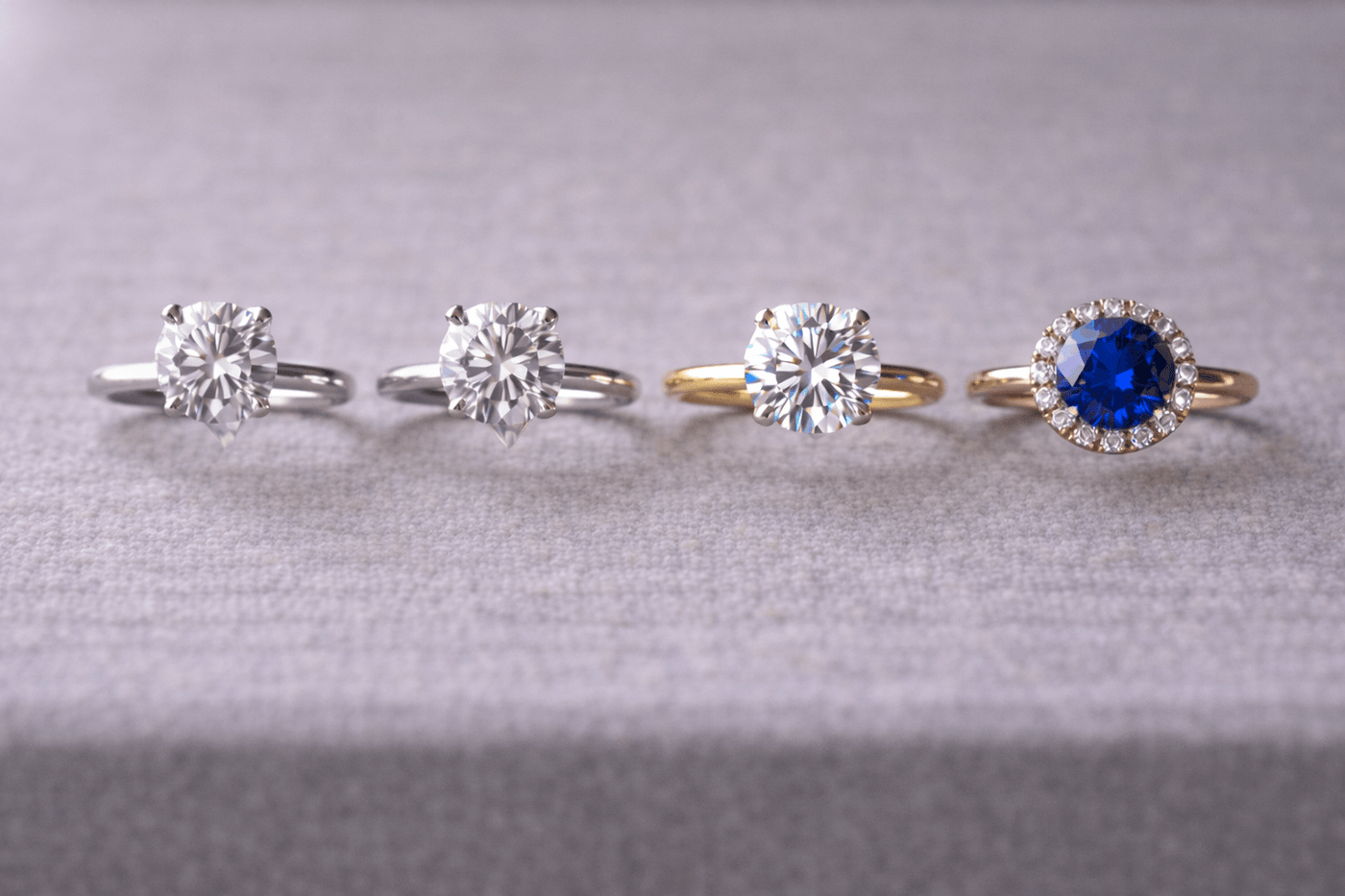

Buying an engagement ring is an exciting milestone, but deciding how much to spend can feel daunting. The ring should be as meaningful as the occasion, yet genuinely affordable. There is no single correct price. About one-third of Americans spend between $1,000 and $3,000, even though the national average is around $5,000 (1). This guide covers everything relevant to engagement ring pricing—history, ring types, how to choose well, and how to care for your purchase. A grading report from a trusted lab helps you understand exactly what you are paying for and compare options based on the 4Cs.
What Is an Engagement Ring?
An engagement ring is a ring that is given during a marriage proposal to show that the two people are committed to getting married. The custom of giving such a ring goes back hundreds of years. It is thought that the ancient Romans started the custom of betrothal rings as a way to show that they were getting married (2). A modern engagement ring usually has a valuable stone, like a diamond, set in a metal band. An engagement ring is a meaningful symbol of love and intention. Modern rings span a wide range of styles, from classic diamond solitaires to unique vintage designs. The meaning, however, remains constant: a physical sign of love and a promise of a shared future.
History & Cultural Significance
Engagement rings carry a long and layered history across cultures. In ancient times, rings functioned more as contracts or evidence of ownership—Roman brides received rings as legal confirmation of their betrothal, not necessarily as romantic gestures (2). Over time, particularly through the Middle Ages, the ring's meaning shifted toward love and loyalty. By the Renaissance, presenting a ring—often set with precious stones—had become a genuinely romantic act.
In the 20th century, marketing reshaped the diamond engagement ring into a cultural expectation. De Beers launched the iconic "A diamond is forever" campaign in 1947. Earlier, during the Great Depression, the industry had promoted spending one month's salary on a ring—later inflated to "two months" (3). These campaigns effectively linked diamonds with lasting love and anchored price expectations in the public mind. Diamond engagement rings became a global tradition, but the "salary rules" were invented by advertisers, not rooted in genuine custom. Couples today feel increasingly free to choose rings—and budgets—that reflect their own values rather than a prescribed formula.
Types / Variations of Engagement Rings
Engagement rings come in many types and variations. Below, we explore some popular categories and their characteristics, including appearance, composition, durability, and common uses:
1. Diamond Engagement Rings

Appearance: Classic diamond rings feature a clear, sparkling diamond as the center stone. Diamonds exhibit exceptional brilliance and fire, making them unsurpassed as gems (2).
Composition: A diamond is pure carbon arranged in a crystal lattice. It is typically set in precious metal (gold or platinum) bands. Diamonds can be colorless or come in fancy colors, but colorless (or near-colorless) are most traditional for engagements.
Durability: Diamond is the hardest naturally occurring material (10 on the Mohs scale), meaning it resists scratching and can endure daily wear (2). This extreme hardness, combined with toughness, makes diamonds ideal for a ring worn every day.
Common Uses: Natural diamond is the quintessential engagement ring stone – about 83% of proposers choose a diamond ring, symbolizing steadfast love (2). Diamond engagement rings are timeless and intended to last a lifetime, often becoming family heirlooms
2. Lab-Grown Diamond Engagement Rings

Appearance: Lab-grown diamonds look identical to natural diamonds to the naked eye – they have the same sparkle and clarity since they are real diamonds grown in a lab.
Composition: These stones are chemically and structurally the same as mined diamonds (pure carbon crystal). The only difference is their origin (laboratory vs. earth). They are usually set in the same metals (white/yellow/rose gold or platinum) as natural diamond rings.
Durability: Lab-grown diamonds share the extreme hardness (Mohs 10) of natural diamonds, so they are equally durable for everyday wear (2). You don’t sacrifice strength or longevity by choosing a created diamond.
Common Uses: Lab-grown diamond rings have grown sharply in popularity among budget-conscious and ethically minded couples. Natural-diamond buyers can compare options in our natural diamond rings collection. They are significantly less expensive than natural diamonds of comparable size and quality, allowing buyers to choose a larger stone (4). However, keep in mind that lab-grown stones have lower resale value (more on that later). Many see lab diamonds as a brilliant, ethical alternative – you get all the sparkle without the steep cost or potential sourcing concerns
3. Moissanite Engagement Rings

Appearance: Moissanite is a diamond simulant that looks very similar to a diamond but with its own flair – it tends to exhibit even more fire (rainbow flashes). High-quality moissanite is nearly colorless and well-cut, so it can be dazzling in an engagement ring.
Composition: Moissanite is the mineral silicon carbide (often lab-created, since natural moissanite is extremely rare). Its chemical formula is SiC. In rings, moissanite gems are typically set in the same settings as diamonds.
Durability: Moissanite is very hard – about 9.25 on the Mohs scale, approaching diamond’s hardness (2). This means it’s quite suitable for daily wear (only a diamond or another moissanite can scratch it in normal conditions). While slightly less hard than diamond, it is still one of the hardest gemstones, with excellent toughness, making moissanite rings durable.
Common Uses: Moissanite has become a popular affordable engagement ring option. It offers a big sparkle at a fraction of the cost of a diamond. Many couples choose moissanite if they want a large, brilliant stone without the high price of diamond. It’s also chosen by those who like its extra fire or who want a stone that isn’t a diamond for personal reasons. In short, moissanite engagement rings give a luxe look for less, with durability suitable for a lifetime.
4. Sapphire (Colored Gemstone) Engagement Rings

Appearance: Sapphire engagement rings typically feature a sapphire as the center stone – famously, a rich royal blue sapphire is a classic choice (e.g., Princess Diana’s ring). Sapphires actually come in many colors (pink, yellow, green, etc., with red corundum known as ruby). A blue sapphire offers a deep, velvety color that contrasts beautifully with a diamond halo or white metal band.
Composition: Sapphire is the gem variety of the mineral corundum (aluminum oxide). In its pure form corundum is colorless; trace elements (like iron and titanium for blue) give sapphire its hue (2). Sapphire gems are often cut in oval or cushion shapes for rings. They can be natural (mined) or lab-created but have the same composition.
Durability: Sapphire is extremely durable – it ranks 9 on the Mohs hardness scale, just one step below diamond (2). This hardness means sapphire resists scratches very well. It’s also a tough gemstone. Sapphires have been used in rings for centuries and can definitely hold up to daily wear, making them suitable for engagement jewelry.
Common Uses: As a colored gemstone engagement ring, sapphire appeals to those who want a pop of color or a unique, personal touch. Blue sapphire in particular symbolizes loyalty and has a regal association. These rings became especially popular after Britain’s Princess Diana (and now Princess Catherine) wore a blue sapphire engagement ring. Beyond blue, many choose sapphires in peach, teal, or parti-color for a non-traditional look. Sapphires provide a vibrant and personal alternative while still offering excellent durability.
(Many other gemstones, from ruby to emerald to morganite, are also used in engagement rings. If you choose a gem other than diamond, pay attention to its hardness and wearability – softer stones may require more care.)
How to Identify Quality in an Engagement Ring

When shopping for an engagement ring, quality is paramount – both for the gemstone and the ring itself. Here’s how to identify a well-crafted, high-quality ring:
-
Certified Gemstone: Insist on a grading report for any diamond or center stone. Reputable labs like GIA (Gemological Institute of America) or IGI (International Gemological Institute) grade the 4Cs (Cut, Color, Clarity, Carat) and verify if a stone is natural or lab-grown. This documentation confirms you’re getting exactly what’s advertised and meets specific quality standards (1). A proper certificate offers peace of mind that the diamond isn’t misrepresented – you’ll know its true grade, authenticity, and any treatments. In short, a grading report is your guarantee of the stone’s value.
-
Precious Metal Purity & Hallmarks: High-quality rings use genuine precious metals. Gold and platinum are most common. Gold rings are typically 14K or 18K gold in the U.S. (14 karat being 58.3% gold and 18K being 75% gold). Higher karat means more pure gold, but slightly softer metal; 14K is very popular for its balance of rich color and durability. Platinum is a premium white metal that’s 90-95% pure in jewelry. Look inside the band for hallmarks like “14K”, “18K”, or “Plat950” – stamps that indicate metal purity and sometimes the maker’s mark. These tiny inscriptions are a quick quality indicator. (5)
- Craftsmanship: Examine the ring’s craftsmanship. Prongs or bezels holding the stone should be secure and symmetric. A high-quality ring will have smooth finishing (no rough edges) and well-set stones (no stones rattling or looking crooked). The band should feel solid. Hallmarks (as mentioned) and the overall finishing separate a fine piece from a flimsy one. Even on intricate designs, diamonds or accents should be set evenly. If possible, view the ring with a loupe – quality rings show precise attention to detail on prongs, engravings, and settings. Don’t hesitate to ask the jeweler about the ring’s metal and any certifications for side stones as well. A combination of certified stones, verified metal purity, and evident craftsmanship means you’ve found a quality engagement ring that will stand the test of time.
Buying Guide: How to Choose the Right Engagement Ring

Choosing the right engagement ring means balancing practical considerations with personal meaning. The goal is not an externally perfect ring, but one that reflects your partner, your relationship, and your future together.
Budget:
Begin by setting a realistic budget that aligns with your financial situation. The traditional “three months’ salary” guideline is outdated and was driven by marketing rather than necessity. Today, couples spend a wide range of amounts, from a few thousand dollars to much more, with the U.S. average hovering around $5,500, and many people spending well below thatamericanexpress.com. What matters most is choosing a number that feels comfortable given your income, savings, and upcoming expenses such as a wedding or home. A meaningful ring exists at every price point, and thoughtful choices—like selecting a smaller stone or an alternative gemstone—can stretch your budget without sacrificing beauty.
Lifestyle Considerations:
Your partner’s daily routine should heavily influence the ring’s design. For active lifestyles or hands-on professions, durability is essential. Low-profile settings reduce snagging, while harder gemstones like diamonds, sapphires, and moissanite are well-suited for everyday wear. Softer or more brittle stones, such as emeralds, require extra care. Metal choice matters as well: platinum is extremely durable and ideal for frequent wear, while 14K gold is often more resilient than 18K gold due to its alloy composition (6). A ring that matches how it will be worn ensures comfort, security, and longevity.
Occasion & Presentation:
How and when you present the ring also plays a role. Some couples shop together, while others prefer a surprise proposal. If surprising your partner, a classic or versatile design is often safest, and insights from close friends can help. Consider future needs as well, such as how the engagement ring will pair with a wedding band. The proposal setting—whether intimate or elaborate—may influence practical details like portability or even the use of a temporary placeholder ring.
Skin Sensitivity:
Metal allergies should not be overlooked. Nickel, commonly found in some white gold alloys, can cause irritation. Platinum is naturally hypoallergenic and a top choice for sensitive skin (6). Palladium and certain high-karat golds are also good alternatives, while modern white gold alloys often avoid nickel altogether. Choosing the right metal ensures daily comfort and wearability.
Long-Term Value:
Though sentimental value comes first, long-term considerations still matter. Insuring the ring protects against loss or damage, while understanding a jeweler’s upgrade or buy-back policies can be helpful for the future. Natural diamonds and fine gemstones may retain more resale value than lab-grown stones, which typically depreciate more quickly (4). Timeless designs are also worth considering if the ring may become a family heirloom. Ultimately, the ring’s greatest value lies in the love and memories it represents, not its resale price.
Care, Cleaning & Maintenance

A well-chosen engagement ring is built to last a lifetime. Proper care preserves both its beauty and its structural integrity. With regular attention and a few simple habits, the ring can remain as brilliant and secure as the day it was given.
Regular Cleaning:
Daily wear causes diamonds and gemstones to accumulate oils, lotions, and dirt that dull sparkle. A simple at-home cleaning every one to two weeks is usually enough. Soak the ring in warm water mixed with a few drops of mild dish soap, then gently brush it using a new, soft toothbrush to loosen buildup (7). Pay special attention to the underside of the stone, where residue often accumulates. Rinse thoroughly with lukewarm water and dry with a lint-free cloth. Always close the sink drain or clean the ring in a bowl to prevent accidents. This routine keeps your ring looking bright and polished between professional cleanings.
Avoid Harsh Chemicals:
Remove your ring before using strong household cleaners, swimming, or handling chemicals. Bleach, chlorine, and abrasive products can weaken metals, discolor alloys, and damage gemstone settings over time (7). Chlorine, for example, can make gold alloys brittle, while abrasives may scratch the metal surface. Activities such as gardening, painting, or heavy lifting can also expose the ring to impact or residue. Rings set with softer gemstones—like emeralds or pearls—require extra care and should only be cleaned with mild soap and water, never ultrasonic or steam cleaners. Avoiding harsh environments helps preserve both the appearance and durability of your ring.
Professional Check-ups:
Have your ring inspected by a jeweler every 6–12 months. Over time, prongs can loosen and small accent stones may shift. A professional inspection ensures stones remain secure and allows early detection of wear or damage. Many jewelers offer complimentary inspections and cleanings, making this an easy preventative step. Regular check-ups greatly reduce the risk of stone loss and extend the life of your ring.
Safe Keeping:
When not wearing your ring, store it separately in a soft pouch or fabric-lined box to prevent scratches. Avoid extreme heat or light, and always place the ring in a secure, designated spot when removed. Thoughtful storage habits help prevent loss and accidental damage.
With consistent cleaning, chemical awareness, routine inspections, and mindful storage, your engagement ring will remain a lasting symbol of love for decades to come.
Common Myths & Misconceptions
Engagement rings are surrounded by long-standing myths that can create unnecessary pressure. Let’s clear up some of the most common misconceptions so you can make a confident, informed choice.
Myth: “You must spend two or three months’ salary.”
This guideline is not tradition—it’s marketing. The so-called “salary rule” originated in diamond advertising campaigns in the 1930s and gradually escalated from one month’s salary to three in some regions (1). Today, most couples recognize this idea as outdated. There is no required price tag for love. What matters is choosing a ring that fits your financial reality and future plans. Many happy engagements happen with rings that cost far less than two months’ income, proving that sentiment—not spending—defines value.
Myth: “Bigger is always better.”
Carat size alone does not determine beauty. A smaller diamond with excellent cut can appear more brilliant than a larger stone with poor proportions. Cut quality, balance, and overall design often matter more than size. Lifestyle and personal taste are equally important—some people prefer understated elegance over a bold statement. The best ring is the one your partner loves wearing every day, not the one with the highest carat number.
Myth: “An engagement ring must be a diamond.”
Diamonds may be traditional, but they are far from mandatory. Sapphires, rubies, emeralds, and other gemstones have become popular choices, often due to personal meaning, color preference, or budget considerations (3). Just be mindful of gemstone durability and care needs. A meaningful, well-chosen alternative can be just as symbolic as a diamond.
Myth: “Lab-grown diamonds are fake.”
Lab-grown diamonds are real diamonds—chemically and optically identical to mined stones. They differ only in origin. Their lower price reflects production and market factors, not inferior quality. While they typically have lower resale value (4), they offer excellent value upfront and meet the same grading standards as natural diamonds.
Myth: “A more expensive ring means a better marriage.”
The cost of a ring has no correlation with marital success. In fact, excessive spending can introduce financial stress. A ring is a symbol, not a guarantee. The strength of a marriage depends on communication, shared values, and commitment—not the receipt.
Pros & Cons of Engagement Rings
|
Pros |
Cons |
|
Durability and Longevity: A well-chosen engagement ring (especially with a diamond or sapphire) is built to last a lifetime of daily wear. It’s a piece of jewelry you can potentially hand down for generations. |
High Cost: A quality engagement ring can be very expensive, often representing a significant investment or savings expenditure. The price of diamonds and precious metals means even modest rings require budgeting. |
|
Symbolic & Emotional Value: Engagement rings carry deep meaning – they are a universally recognized symbol of love, commitment, and the promise of marriage, which can strengthen the emotional bond (Source: Britannica) |
Resale Value Is Low: Jewelry generally has poor resale value. If you ever needed to sell, you’ll likely get much less than you paid – lab-grown diamonds in particular lose a large portion of their value at resale. Engagement rings should be viewed as sentimental, not financial, investments. |
Explanation: Engagement rings have strong upsides – they are enduring symbols made of durable materials that can bring joy daily. However, they also come with downsides, primarily financial. Weighing these pros and cons can help you make a well-informed decision about whether, what kind, and how much to spend on a ring.
Trends & Modern Market Demand
Today’s engagement ring market emphasizes personalization, transparency, and choice. Lab-grown diamonds and alternative gemstones continue to rise in popularity, with 32% of couples in 2023 stating that a lab-grown center stone was important to them—up from 15% in 2019 (4). Consumers value flexibility, ethical considerations, and better value for money.
Design trends favor individuality: fancy-shaped diamonds, vintage rings, colored diamonds, and non-traditional settings are all in demand. Spending patterns are also shifting, with couples balancing ring budgets against weddings, travel, or long-term goals. Platinum is seeing renewed interest for its durability and prestige, now chosen by nearly one in four brides (4).
Across all these shifts, National Jeweler observes that authenticity has become the most enduring trend—couples selecting rings that genuinely reflect their story, priorities, and values.
It’s natural to ask whether an engagement ring is an investment, especially given its cost. In purely financial terms, however, engagement rings are generally not good investments. Unlike assets such as real estate or stocks, most jewelry does not appreciate in value and typically resells for less than its original retail price.
Natural diamonds retain some value, but resale prices typically fall well short of retail. Markups, shifting styles, and limited secondary-market demand mean sellers often recover only a fraction of the purchase price. There are exceptions—unusually high-quality stones or signed vintage pieces such as a Cartier ring—but these are uncommon. For most buyers, an engagement ring’s true worth lies in its symbolism and years of wear, not financial return.
Lab-grown diamonds, in particular, have very low resale value. Because their supply is not naturally limited and production continues to increase, prices have steadily declined. Reports note that lab-grown diamonds often lose the majority of their value on the resale market (8). A ring purchased today may resell for only a small portion of its original price. This doesn’t mean lab-grown diamonds are a poor choice—they offer excellent upfront value—but they should not be viewed as investment assets.
Even mined diamonds usually resell for only 30–50% of retail value unless you find a private buyer. Some jewelers offer upgrade programs rather than cash buybacks. Precious metals like gold and platinum retain melt value, but this represents only a small part of the ring’s total cost.
If resale is a concern, choosing classic designs and widely recognized quality—such as a round brilliant diamond with GIA certification—may help liquidity, though depreciation should still be expected. Antique or heirloom rings can hold value due to craftsmanship or history, but their emotional significance often outweighs resale considerations.
Ultimately, an engagement ring should be seen as an emotional investment. Insure it for protection, buy within your means, and enjoy it without expecting future profit. Its real return is measured in memories, not money.
Who Should Buy Engagement Ring Cost?

An engagement ring is for anyone who wants to mark a proposal with a lasting symbol of commitment. Traditionally purchased by the person proposing, rings today are often chosen together or even exchanged mutually. The practice dates back centuries, with rings used to signify a promise of marriage as far back as ancient Rome (2).
That said, engagement rings are optional. Some couples choose alternative symbols or skip rings entirely. The decision is deeply personal. If you or your partner value tradition, symbolism, and wearing a daily reminder of commitment, an engagement ring can be especially meaningful. If practicality or lifestyle suggests otherwise, the choice can be adapted—or omitted.
In short, you should buy an engagement ring if it brings joy and significance to your relationship. It doesn’t need to be extravagant or traditional—only meaningful to you both.
Frequently Asked Questions – FAQ
Q1: What is the average cost of an engagement ring?
A: In the United States, the average engagement ring typically costs between $5,000 and $6,000. Surveys such as those from The Knot place the national average around $5,500 in 2020 (4). However, this number hides a wide range: roughly one-third of buyers spend under $3,000, while others spend far more on luxury or custom pieces. Treat averages as reference points only—your ideal budget is whatever fits your finances and priorities.
Q2: Do I really have to spend two or three months’ salary?
A: No. This idea comes from mid-20th-century marketing campaigns, not tradition or necessity. The guideline began as one month’s salary in the 1930s and gradually expanded to two or three months in advertisements (1). Today, experts recommend setting a budget based on your income, savings, and goals. A ring that doesn’t create financial stress is far more meaningful than one bought to satisfy an outdated formula.
Q3: Are lab-grown diamonds a good option?
A: Yes. Lab-grown diamonds are real diamonds with the same chemical composition, hardness, and sparkle as mined diamonds—often costing 30–50% less. They’re popular for budget, ethical, and environmental reasons, and their demand has risen sharply in recent years (4). The main trade-off is resale value, which is typically low. As long as the stone comes with proper certification, lab-grown diamonds perform beautifully in engagement rings.
Q4: Do engagement rings hold their value over time?
A: Generally, no. Most rings resell for far less than retail. Natural diamonds may recover 40–60% of their price, while lab-grown diamonds often lose most of their value at resale (8). Only rare vintage or exceptional pieces may appreciate. Engagement rings are best viewed as sentimental purchases rather than financial assets.
Q5: Can I use a gemstone other than a diamond?
A: Absolutely. Sapphires, rubies, emeralds, and many other gemstones are popular engagement ring choices. They can carry personal meaning and offer unique beauty (3). Just consider durability—harder stones like sapphire and ruby withstand daily wear better than softer gems. Non-diamond rings are increasingly celebrated for their individuality.
Q6: How can I save money without sacrificing looks?
A: Smart strategies include choosing slightly under “milestone” carat weights (e.g., 0.95 ct instead of 1.00 ct), opting for lab-grown diamonds or moissanite, using halo settings to enhance visual size, and selecting 14K gold instead of platinum. Prioritizing cut over clarity or color also maximizes sparkle for less money (3).
Expert Jeweler Tips
Insist on Certification:
Always buy diamonds or gemstones with independent grading reports from respected labs like GIA, IGI, or AGS. Certification confirms authenticity, quality, and disclosures, and is often required for insurance (1).
Prioritize Cut:
Cut has the greatest impact on sparkle. A smaller, well-cut diamond can outshine a larger poorly cut one. Excellent or very good cuts reflect light optimally and can even mask lower color or clarity grades (6).
Maintain the Ring:
Schedule professional inspections every six months to check prongs and settings, especially for pavé designs. Regular cleanings and simple at-home care help prevent stone loss and keep the ring brilliant (7).
Think Long-Term:
Ensure your ring soon after purchase and keep all certificates and appraisals safe. Ask about upgrade or trade-in policies if future changes are possible. With proper care and protection, your engagement ring will remain secure and beautiful for decades.
By staying informed, prioritizing quality, and planning ahead, you can enjoy your engagement ring with confidence and peace of mind for years to come.
Conclusion
In the end, how much an engagement ring “should” cost comes down to what feels right for you and your partner. There is no magic number – an engagement ring’s true value isn’t measured in dollars, but in the love and commitment it represents. We’ve journeyed through history and tradition (from ancient symbols to modern marketing), explored various ring types from classic diamonds to colorful gems, and learned how to judge quality and care for this precious piece. Armed with this knowledge, you can cut through the hype and make a smart, heartfelt choice. Remember, this ring is for the two of you. It’s okay if your budget is different from the average, or if your ring is a sapphire instead of a diamond, or a lab-grown stone instead of mined. What matters is that the ring suits your partner’s style and your financial comfort. As experts often say, there really are no rules – the perfect engagement ring is one that balances your beloved’s dreams with your reality, bringing harmony between emotional significance and financial sense. When you slip that ring on and see their face light up, you’ll know you made the right choice. In years to come, every time you catch a glimpse of that sparkle, it should remind you of the joy of this moment, not any stress. Here’s to finding an engagement ring that will shine as bright as the love it celebrates – now and for a lifetime.
Put your new knowledge into action – explore our curated collection of engagement rings to see a range of stunning options for every budget. Whether you’re drawn to a classic diamond solitaire or a unique gemstone design, we invite you to visit our website and discover the ring that feels meant for you. And don’t forget to subscribe to our newsletter for more jewelry education, design inspiration, and the latest trends (plus exclusive offers!). Your perfect engagement ring is out there waiting. Let’s find it together, and make your proposal moment truly unforgettable. Start your journey today – happy ring shopping!
Because the moment matters.
Discover engagement rings designed to reflect love, commitment, and sophistication—exclusively at Diamond and Sapphire.
Read more
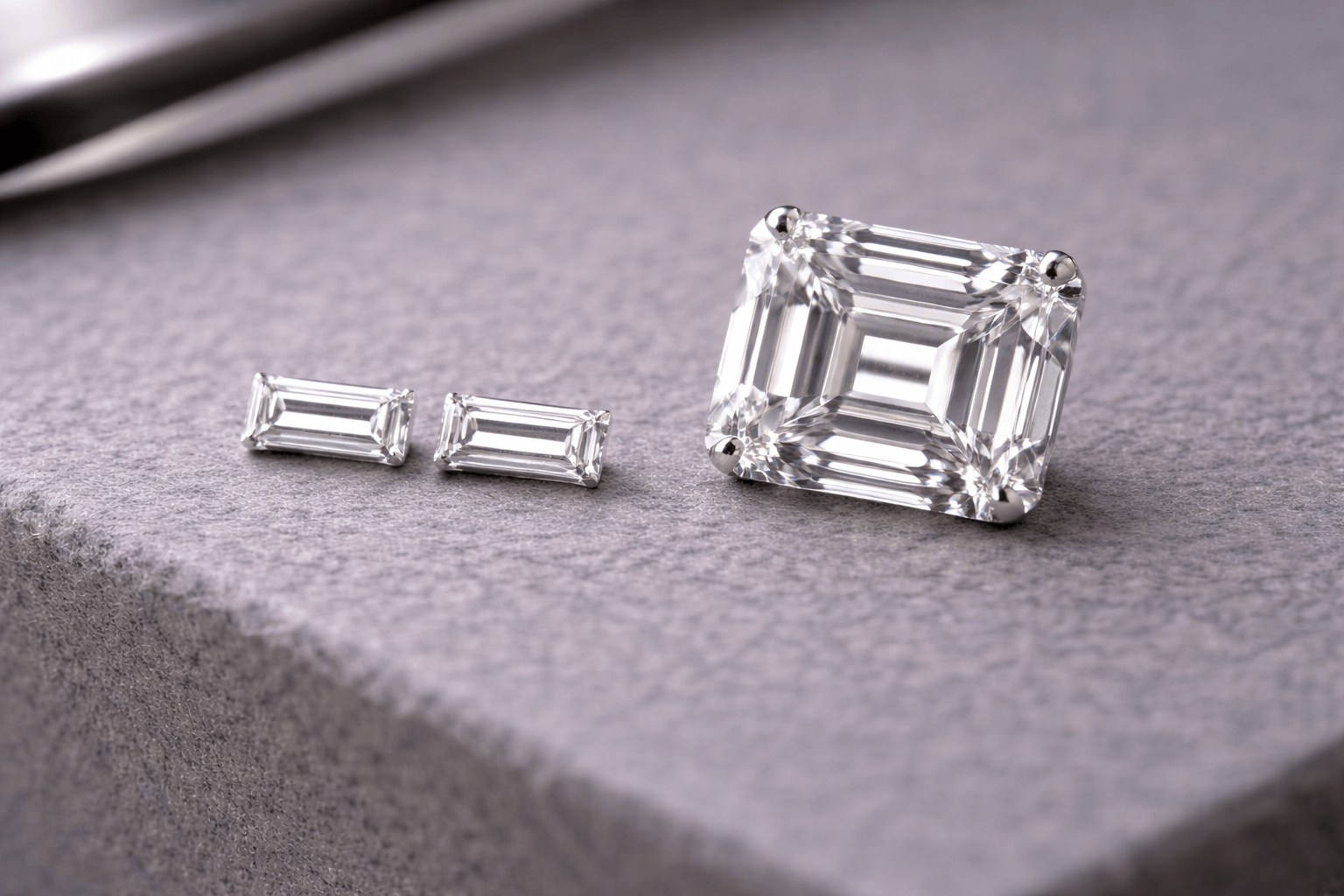
Both baguette and emerald cuts are step-cut diamonds, but they have different shapes and optical effects. Baguette diamonds are thin, rectangular stones with straight or tapered edges and square co...
Read more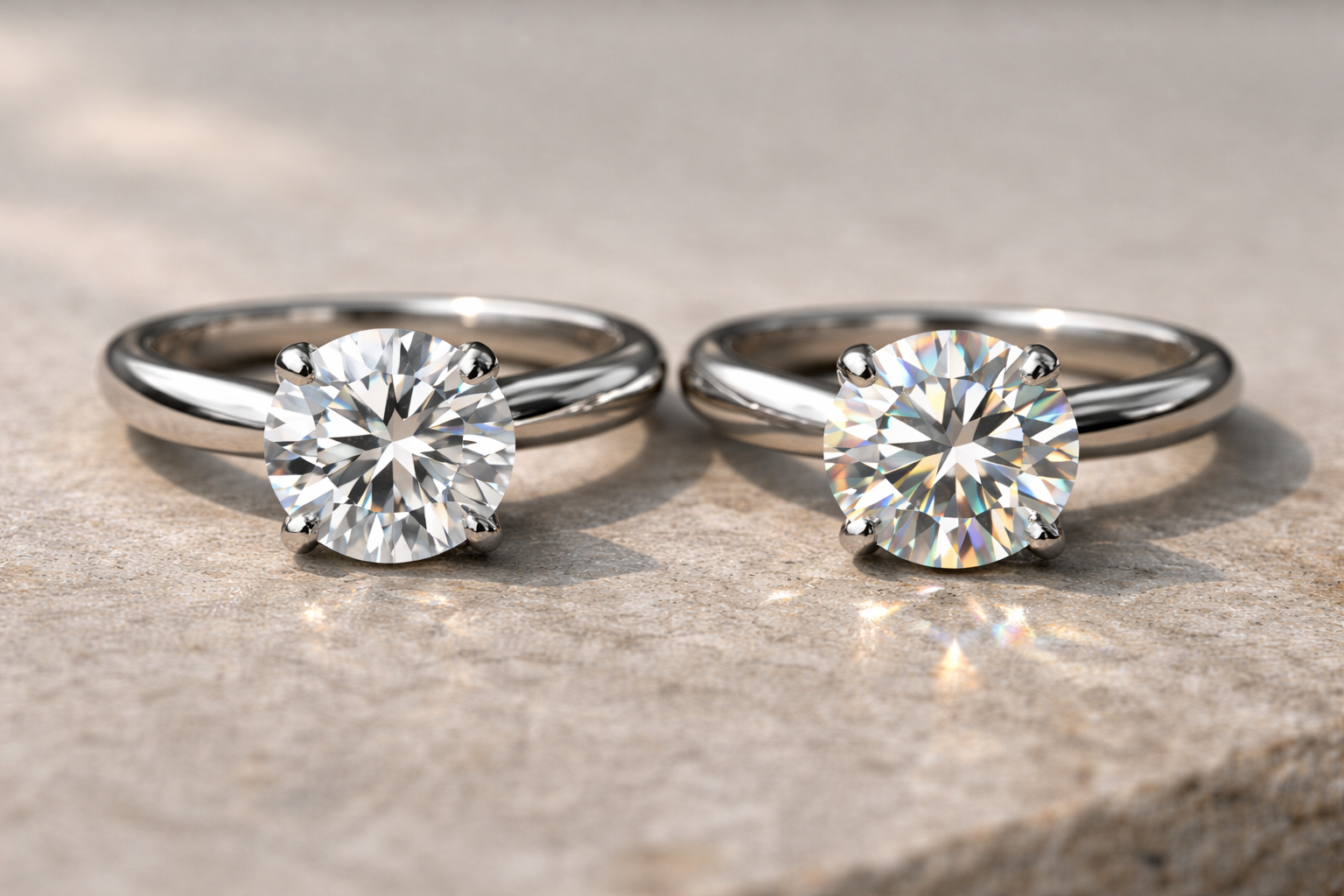
Cubic zirconia (CZ) is a synthetic gemstone made from zirconium dioxide that imitates the look of diamond. Natural diamonds are crystals of pure carbon formed deep within the Earth. While CZ offers...
Read more