
Solid Gold vs Plated Gold
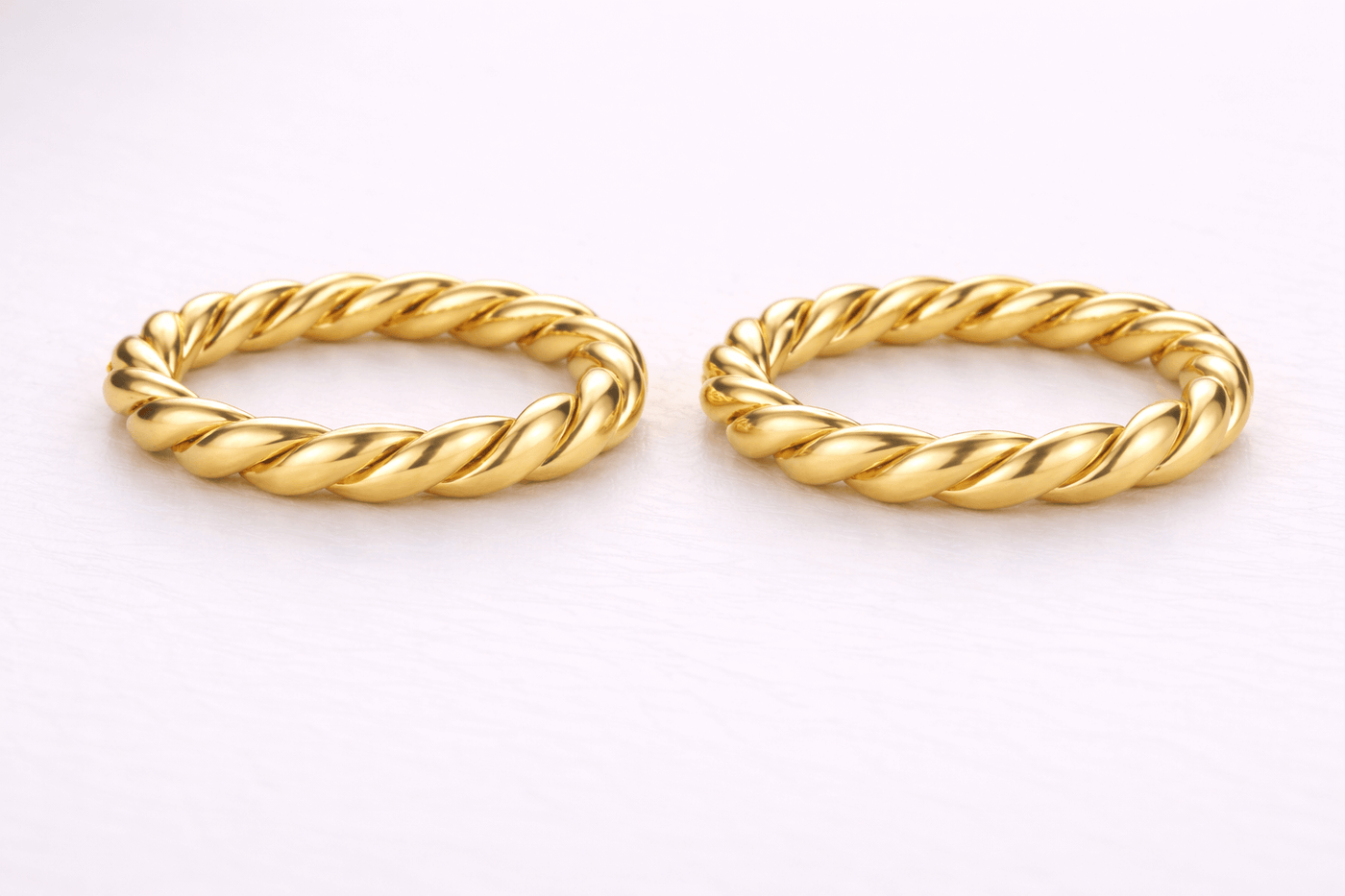
For thousands of years, gold has fascinated people because it stands for beauty and wealth. But in modern jewelry, not everything that shines is the same. Solid gold jewelry can be passed down through generations, while plated gold jewelry is a fashionable way to save money. Knowing the difference is important because it affects how much you pay, how long a piece lasts, and its long-term value. In this guide, we'll cover what solid gold and gold-plated mean—including how they relate to fine jewelry craftsmanship— how they are different, how to tell if they are good quality, and how to buy and care for each. Our classic jewelry collection showcases the best of solid gold craftsmanship. By the end, you'll know which option fits your lifestyle—and how to care for whichever you choose.(1)
What Is Solid Gold vs Gold Plated?

Solid gold jewelryis made from a gold alloy, which is a mix of pure gold and other metals that make it stronger. The number of karats in gold tells you how pure it is. For instance, 24K means 100% pure gold, but pure gold is very soft and can be easily scratched. Because of this, most jewelry is made of 18K (75% gold), 14K (58.3% gold), or 10K (41.7% gold) alloys(2). These alloys make solid gold things shine and give them their real value. They can be yellow, rose, or white, depending on the type of alloy they are made of. No matter what, a solid-gold piece will be gold all the way through.
Gold-plated jewelry,on the other hand, is made of a different metal, like brass, copper, or silver, and has a very thin layer of gold on top of it. Using electroplating or a similar method, the gold coating is usually only a few microns thick. When you first see plated things, they look like solid gold because they shine with a gold color. But because the gold is only on the outside, the base metal shows through or tarnishes when the plating wears off. In short, solid gold is a real gold alloy, and gold plated is a base metal that has been covered in gold(4).
Types / Variations of Gold Jewelry
Solid Gold Jewelry

Solid gold jewelry comes in variouskarats(purity levels), the most common being 24K, 18K, 14K, and 10K. Pure 24K gold is 100% gold with a brilliant deep yellow color, but it is very soft – easily scratched or bent – so it’s rarely used for everyday jewelry (more common in coins or bullion).
-
18K Gold (75% gold): Bright yellow in color and still very lustrous. The alloy (25% mixed metals like copper or silver) adds strength, making it suitable for fine jewelry such as diamond engagement ringss and pendants. Durability is good for regular wear.s and pendants. Durability is good for regular wear.
-
14K Gold (58.3% gold): A paler yellow than 18K, it contains more alloy (around 41.7%) for extra hardness. It’s highly durable and scratch-resistant, favored for gold rings and daily-wear pieces(2).
-
10K Gold (41.7% gold): The minimum karat that can still be called “gold” in the U.S. It’s a whitish yellow and very strong, making it ideal for affordable, hardy jewelry.
Appearance-wise, higher-karat gold (18K+) has a richer yellow color, while lower karats are lighter or more reddish. In all cases, solid gold has real intrinsic value and won’t rub off because the whole item contains gold(2).
Gold Plated Jewelry

Gold-plated jewelry covers a wide spectrum of looks and qualities. In general, a gold-plated piece is made from a base metal (often copper or brass, sometimes sterling silver) that is electroplated with a thin gold layer. The appearance is a shiny gold finish that closely mimics solid gold. However, because the gold layer is extremely thin (often only 0.5 microns or so), the plating is much more prone to wearing away(1).
-
Composition:Base metals like nickel, copper, or silver are dipped in gold. The result is a jewelry piece that “looks gold” but is really mostly another metal. Sometimes terms like “rolled gold plate” or “gold vermeil” are used for higher-quality plating (for example, vermeil uses sterling silver base with at least 2.5 microns of gold) – but standard gold-plated items have only a token gold content.
-
Durability:Because the gold layer is so thin, gold-plated items will wear and tarnish relatively quickly. According to Jewelers of America, such pieces “will be quickest to tarnish” compared to solid or filled gold(1). Exposure to friction, lotions, sweat, and chemicals will eventually expose the base metal. Gold-plated jewelry is essentially fashion jewelry: it is not meant to last for generations.
-
Common Uses:Gold-plated pieces are widely used in trendy or costume jewelry, where cost and appearance are key. You’ll find plated gold in big-chain necklaces, fashion rings, or costume sets that give the look of gold at a fraction of the price. They let wearers enjoy a gold look in an affordable way, knowing they may need to replace the item after months or a few years.(1)
How to Identify Quality in Gold Jewelry
Hallmarks and Purity:A stamped hallmark is the first sign of quality. A reputable piece of solid gold should have a karat stamp, like "10K," "14K," "18K," etc., that shows how much gold it has. The World Gold Council says that hallmarks were made to show how pure gold is and to reassure buyers that a piece is fine(5). You will often see a number followed by "K" or a decimal point, like ".750," in markets that need it, like the UK or the US. A proper hallmark or assay mark is a good way to tell if fine gold jewelry is real solid gold because most of it is made of alloy.
Testing and Verification:Testing may still be necessary, even with hallmarks. IGI gemologists say that surface tests can be wrong. For example, a gold-plated layer might still look like high-karat gold if it isn't scratched or taken off(6). For instance, IGI found instances where jewelry that was sold as 14K actually had only a thin layer of 18K on the surface, with a metal that was much lower in karat underneath. That's why professionals often use X-ray fluorescence or acid tests to check how much gold is really in the piece. If you're not sure, look for a reliable lab report or ask a jeweler to check.
Craftsmanship and Hallmarks on Plating:Check the quality of the craft on gold-plated items. Some high-end plated items, like vermeil, may still have markings like "GP" (gold-plated) or "GEP" (gold electroplate), but this depends on the laws in your area. A lot of fashion companies just put "plating" on the packaging. Plated pieces shouldn't have a karat stamp like solid gold does. A "K" mark usually only shows the gold fineness of the plating layer, not the solid gold content.(5)
Buying Guide: How to Choose Solid Gold or Gold Plated
-
Budget: Solid gold costs a lot more because it has more gold in it. If you have a lot of money to spend and want something that will last, solid gold is the best choice. Gold-plated jewelry is the "cheapest alternative" and costs a lot less(1). For instance, a solid 14K gold ring will cost a lot more than a plated ring that looks the same. People who are on a budget or buying gifts often choose plated gold for trendy items.
-
Lifestyle & Durability: Think about how you live. Solid gold, even at 10K or 14K, lasts much longer when worn every day. Solid gold will hold up better to scratches and bumps if you work with your hands or wear jewelry every day. Gold-plated jewelry is best for light or occasional wear. If you work out, shower, or come into contact with chemicals a lot, it can wear off.
-
Occasion & Style:Solid gold is best for special occasions or classic jewelry like engagement rings, heirloom pieces, or investment jewelry. It has value in and of itself and feels luxurious. Gold-plated things look great in fast-fashion and layering trends. For example, if you want a set of fun, cheap bangles or a nameplate necklace that you can personalize, plating is fine. Just remember that you're giving up long-term savings for short-term savings.
-
Skin Sensitivity: Pure gold is usually good for the skin. Allergic reactions to gold jewelry usually come from the other metals in lower-karat alloys(2). Higher karat gold (above 14K) tends to cause fewer allergies because it has less alloy. 18K or 24K solid gold is the safest choice if you have sensitive skin. Nickel or copper bases are often used in gold-plated pieces, which can cause irritation. If you have allergies, always check to see if your plated jewelry is marked as nickel-free.
-
Long-Term Value: Solid gold is by far the best choice if you want to sell or invest in the future. When you sell used jewelry, keep in mind that "you will only get paid for the parts that are pure gold". Solid gold jewelry keeps its value (and often increases it), but plated jewelry has almost no value on its own. Solid gold is the best choice if you want to build wealth or pass down heirlooms.(1)
Care, Cleaning & Maintenance

Both solid gold and gold-plated jewelry need to be treated with care, but gold plating needs extra care. The Gemological Institute of America says that gold is a metal that isn't very hard. A mild solution of warm water with a drop of gentle dish soap and a soft cloth is best for cleaning gold jewelry (solid or plated) every day(2). This helps get rid of dirt and oils without scratching. Rinse well and dry with a soft cloth. You can also use a soft toothbrush to clean out crevices on solid gold. Don't brush too hard on plated surfaces, though, because that can take off the gold layer.
Both kinds should stay away from strong chemicals. GIA says that bleach, chlorine (from swimming pools and hot tubs), or strong household cleaners can hurt gold and its alloys. Chemicals are even more dangerous for gold-plated items because they can quickly eat through the thin gold coating and reveal the base metal. Take off your gold jewelry before swimming in water that has chlorine in it or using cleaning products. Put your jewelry in a lined box or soft pouch when you're not wearing it to keep it from getting scratched or tangled. Wiping it down with a soft cloth after each use will keep it shiny.(2)
Common Myths & Misconceptions
Myth: Gold-plated jewelry has the same longevity as solid gold.
Reality:Not true in real life. Gold plating is a very thin layer of gold on top of another metal. It will wear off over time. Jewelers of America says that gold-plated pieces "will be quickest to tarnish" compared to solid or gold-filled pieces(1). This myth makes people think that plated items are worth more than they are. Plated jewelry is only meant to be worn for a short time, while solid gold is meant to last.
Myth: Solid gold never tarnishes or fades.
Reality:24K gold doesn't tarnish, but most jewelry is made of alloys. Gold jewelry can get tarnished or oxidized, and the lower the karat, the more likely it is to do so(2). For instance, 14K gold has enough copper or silver in it that it can sometimes get a little darker over time if you don't take care of it. So, even though solid gold doesn't dull easily, it does need some care if it's mixed with other metals.
Myth: The higher the karat, the more durable.
Reality:In reality, gold with a higher karat is softer. It's easy to scratch a pure 24K item. The jewelry gets harder and less likely to scratch as the karat number goes down (more alloy). So, 14K will last longer than 22K or 24K when it gets hit. Many people think the opposite; GIA says that more alloy makes things last longer(2).
Myth: Gold plating has no risks – it’s “just like gold.”
Reality:In reality, gold-plated items often use base metals like nickel or brass that can make people who are sensitive to them sick. Gold jewelry can cause allergies because it contains copper, silver, and other metals. Plating hides the base metal underneath. If you have a reaction to plated jewelry, it's probably because of the metal underneath. Always check to see if plated items are free of nickel, and remember that plating is not "pure" gold.(2)
Pros & Cons of Solid Gold and Gold Plated
The World Gold Council and industry experts highlight that hallmarks and purity are major distinguishing factors(5). The table below summarizes advantages and drawbacks of each type:
|
Solid Gold |
Gold Plated |
|
|
Pros |
• Real gold content retains intrinsic value and is hypoallergenic (if high karat). • Extremely durable; won’t wear off or fade. • Smooth rich gold color, perfect for heirlooms. |
• Much more affordable; offers gold look on a budget. • flexible – easy to find in many trendy styles and colors (yellow, rose, white). • Lightweight wear. |
|
Cons |
• Higher cost and weight. • Can still scratch or dent (especially 24K). • Color limited to natural gold alloys. |
• The gold layer is thin and will scratch/tarnish (plates off with wear). • No real resale or investment value. • Potential for allergic reaction from base metals. |
Trends & Modern Market Demand

Fashion trends and high gold prices are affecting how much people want solid gold and plated jewelry. In the last few quarters, demand for heavy 24K gold items has dropped a lot because of the price. On the other hand, demand for lighter, more creatively designed pieces has stayed strong(5). People in places like India and China prefer designs that use gold more efficiently, like mixing in gems, enamel, or lighter gold alloys, instead of pure heavy gold. This means that people want solid gold and vermeil items that are well-made and have artistic details, but not so much simple, heavy 24K pieces.
At the same time, fashion magazines are talking about how gold-plated accessories are becoming more popular as "quiet luxury." According to Vogue, designers and influencers are loving gold-plated charms and jewelry because they add a personal touch at a lower price. Gold plating is often used to make trendy items like custom initial necklaces and layered chains more affordable. In short, people today want either solid gold that is of very high quality for investment or well-made plated pieces for style. The market is moving toward smart uses of gold, like gold vermeil, and designs that make high prices seem reasonable. This is partly because solid gold must be balanced with affordability.(7)
Investment & Resale Value
for investing, solid gold is the clear winner. Gold's intrinsic value means that a solid-gold ring or chain is worth its weight in gold, plus the value of the craftsmanship or gems. Jewelers of America says that if you ever sell gold jewelry again, "you will only get paid for the parts that are pure gold"(1). This means that a 14K gold piece will only be worth the weight of its 58.3% gold, minus any fees charged by the refinery. Because of this, solid gold usually keeps its value and can even go up in value when gold prices go up.
On the other hand, gold-plated jewelry has almost no value in terms of bullion or scrap. Because there is so little gold on a plated item (usually less than 0.05%), it is only worth what the metal underneath is, which is usually pennies. Plated pieces are not meant to hold wealth; they are meant to be worn. If you want to get the most money back when you sell or invest in something, solid gold is the only option. Plating looks nice, but it doesn't make you any money.(1)
Who Should Buy Solid Gold vs Gold Plated?

Solid gold buyers:If you want something that will last, has value, and can be passed down, solid gold is for you. People who like fine jewelry, plan to wear it a lot (like wedding bands or everyday necklaces), or see it as an investment should get solid gold. If you have sensitive skin, you should use it more often because pure gold doesn't cause allergies(2). Families and collectors who want heirloom-quality rings, bracelets, and fine watches will like 18K or 14K gold better.
Gold-plated buyers:Gold-plated jewelry is great for people who know what's in style and don't have a lot of money. Plated gold gives a high-end look at a low price. It's great for people who love fashion jewelry, want to change their style often, or need costume jewelry for special outfits. It's a great way to try out different colors (rose, white, yellow) and big, bold designs without spending a lot of money. Just keep in mind that it isn't meant to be used every day. If you want something that will last and is pure, go with solid gold. If you want something that is different and cheap, go with gold-plated.(1)
Frequently Asked Questions – FAQ
Q: What is jewelry that is gold-plated?
A: To make gold-plated jewelry, a thin layer of gold is added to copper, brass, or silver. There is another metal behind the gold. Jewelry experts say that gold-plated pieces are cheaper than solid gold because the layer of plating can be as thin as 0.05%(1).
Q: How can I tell if something is gold-plated or not?
A: Look at hallmarks and tests. A purity hallmark or karat stamp ("14K" or "18K") should be on solid gold items. Items that are gold-plated might have a "GP" stamp or no karat stamp at all. These can trick you. Thick gold layers may still show high karats on surface tests(6). A jeweler may use acid or X-rays to double-check. Gold plating wears off easily at the edges or changes color when scratched.
Q: Does solid gold change color or tarnish?
A: Gold that is 24K never tarnishes. But most gold jewelry is made of more than one metal. 24K gold does not tarnish, but mixed metals like copper and silver can oxidize(2). 10K and 14K gold can turn brown or patina over time because they have more alloy in them. Gold in plated jewelry tarnishes much more slowly than base metals.
Q: How to clean and care for gold-plated and solid gold jewelry?
A: Clean both of them gently. For gold jewelry, use warm soap and a soft towel. This keeps all gold safe, even plated jewelry with gems on it. Ultrasonic, toothpaste, and abrasive cleaners are not good for things that are plated. Take off your gold jewelry before swimming or bleaching because chlorine can hurt it. To keep plating from getting ruined, don't soak it; just wipe it off. After cleaning, let it dry well. Put things in soft fabric bags so they don't get scratched.(3)
Q: How long does gold plating usually last?
A: Gold-plated jewelry can last for months or years, depending on how thick it is and how often it is used. A lot of plating layers are only a few microns thick. According to a GIA study, electroplated jewelry has a thin layer, but electroforming can make layers that are 200 microns thick or more(8). Fashion jewelry that is gold-plated will wear out, but heavier or gold-filled items will last longer.
Q: Is jewelry with gold plating worth anything?
A: Not really. The gold content of gold jewelry gives it its resale value. When you sell gold jewelry, you get paid for the weight of the pure gold. A gold-plated item doesn't have much gold, so its scrap value is almost nothing. People buy plated jewelry because they like how it looks, not because they want to invest in it. If you sell it, you'll only get the value of the base metal, which is often very little.(8)
Expert Jeweler Tips
-
Look for the hallmarks:Always check the hallmarks or purity marks. The World Gold Council says that these marks were made to show how fine the gold was(5). Look for karat stamps (10K, 14K, 18K) on solid gold when you buy fine jewelry. If a piece doesn't have a mark or only a "GP" mark, treat it like it's plated. When you buy something expensive, you might want to ask for a quality report or test. Good jewelers can check the metal content.(5)
-
Be careful when you clean: Take care of your gold jewelry. GIA says to use a soft cloth and mild soapy water(3). Chlorine bleach and abrasive cleaners should never be used because they can weaken gold alloys and damage plating(3). A quick wipe with a soft, lint-free cloth will get rid of skin oils and keep the shine after you wear it. Keep pieces in separate places to keep them from getting scratched. These small things will keep the gold layer on plated jewelry safe and the solid gold shiny.
Conclusion
When deciding between solid gold and plated gold jewelry, think about how much you want to spend and what you want to use it for. Solid gold is real, lasts a long time, and is worth a lot of money. It's been called "the ultimate family heirloom" because it can hold its value for generations. Gold-plated pieces, on the other hand, look like gold and are on-trend, but they don't last as long. We hope this guide has made the real differences in composition, care, and value clearer. With this information, you can confidently choose whether to buy pure gold jewelry that will last a long time or try out plated styles for fun, seasonal fashion.
Are you ready to shine with the right piece? Check out our collections of solid gold and plated designs today. If you have any questions, don't hesitate to ask our expert jewelers for help. We have something that fits your budget and lifestyle, the choice between solid gold and plated pieces ultimately comes down to how you wear your jewelry—and how long you expect it to last.
Luxury begins with authenticity.
Choose solid gold jewelry crafted to last a lifetime—only atDiamond and Sapphire.
Read more
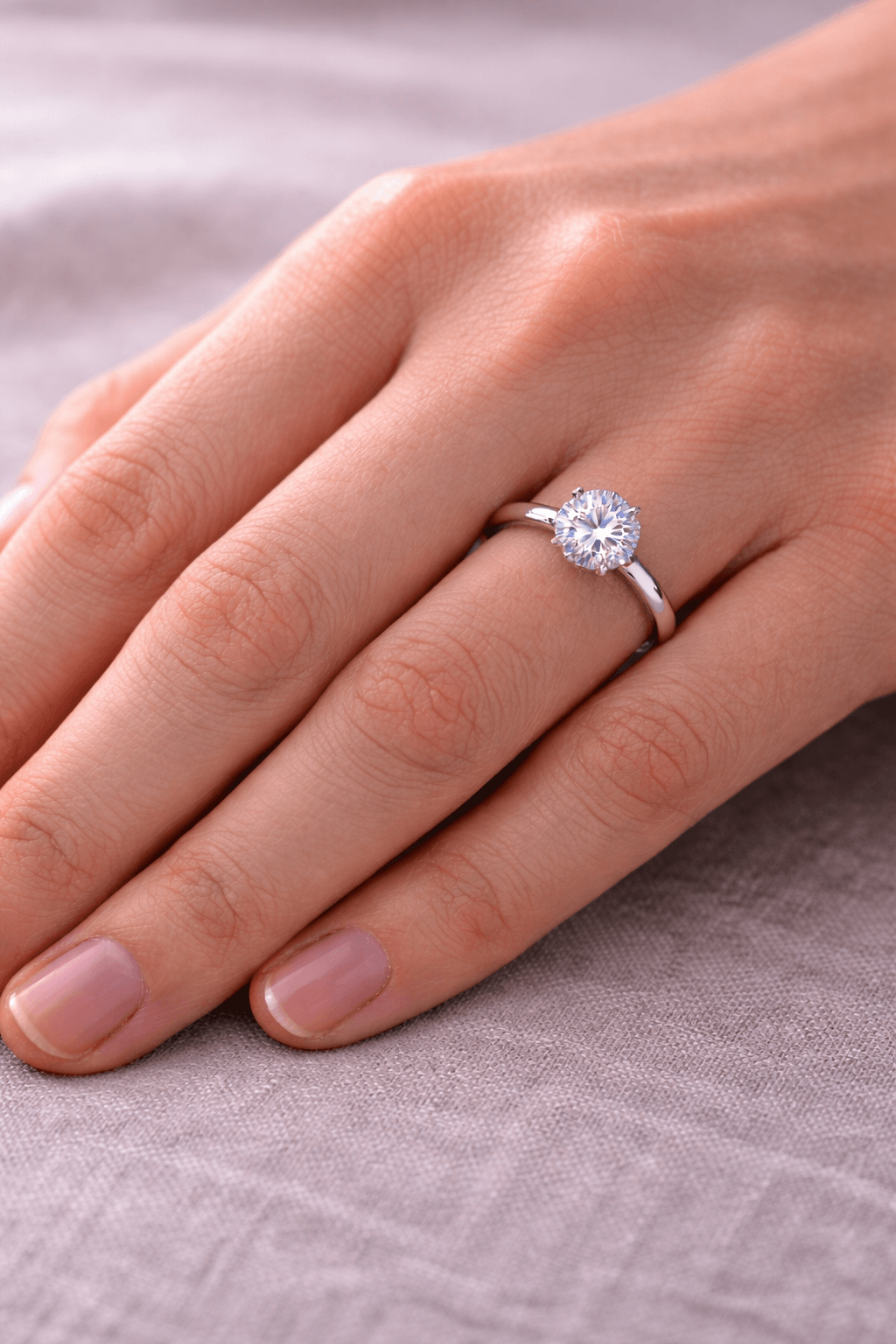
Engagement rings are the cherished symbols of a marriage proposal, with roots in ancient Rome and a rich Western tradition. Learn how these rings evolved—from simple gold betrothal bands to today’s...
Read more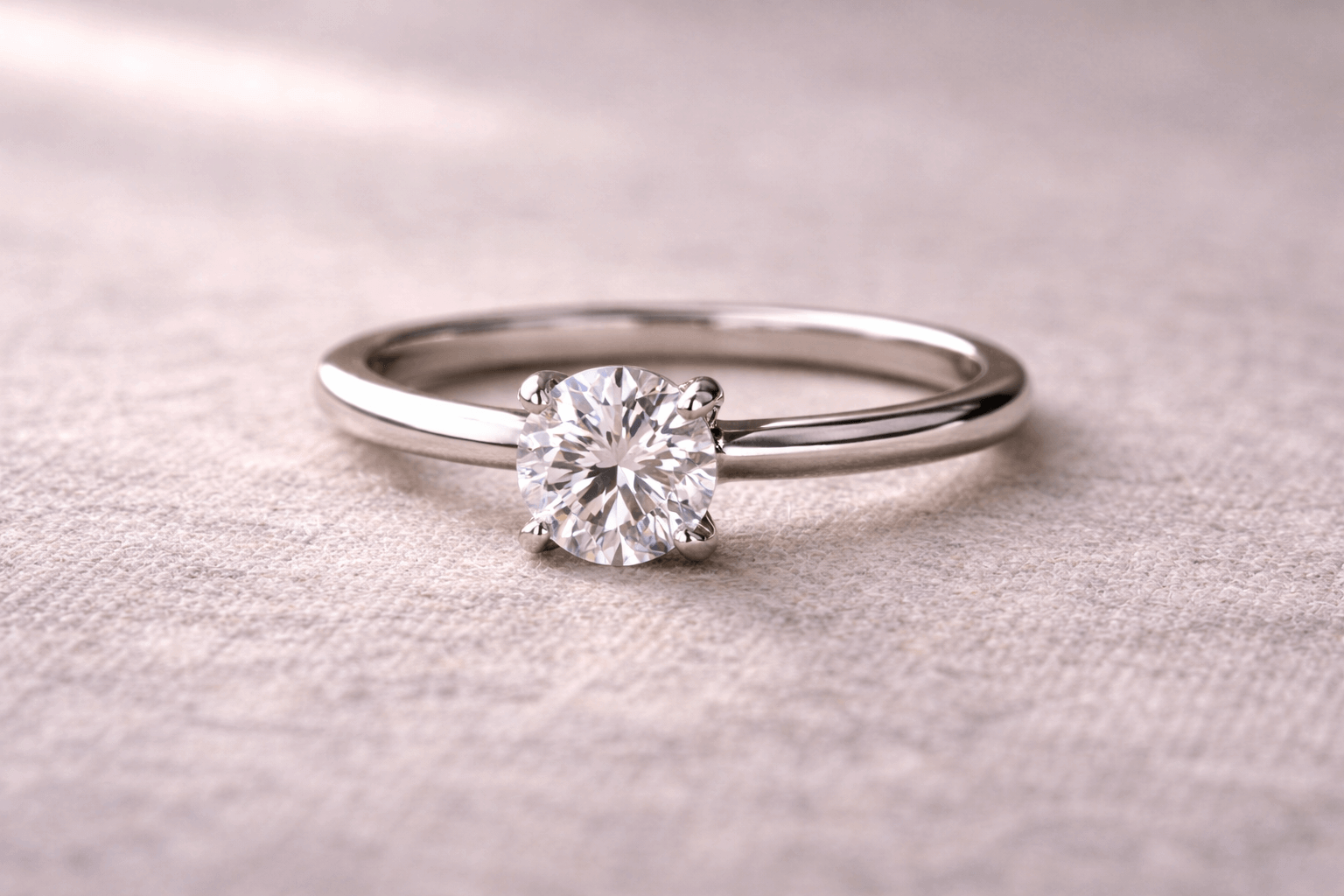
The shank (band) goes around the finger, the head (setting) holds the center gem, and the prongs or bezel hold the stone in place. A lot of rings also have extra features like a halo or side stones...
Read more