
 View Piece
 View Piece
 View Piece
 View Piece
 View Piece
 View Piece
 View Piece
 View Piece
 View Piece
 View Piece
 View Piece
 View Piece
 View Piece
 View Piece
 View Piece
 View Piece
 View Piece
 View Piece
 View Piece
 View Piece
 View Piece
 View Piece
 View Piece
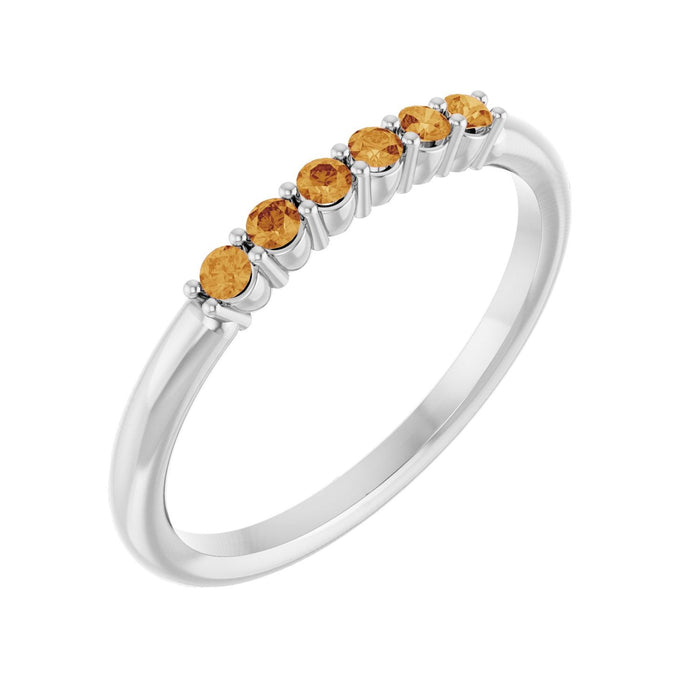 View Piece
Frequently Asked
Citrine Rings FAQ
What is citrine and what colours does it come in?
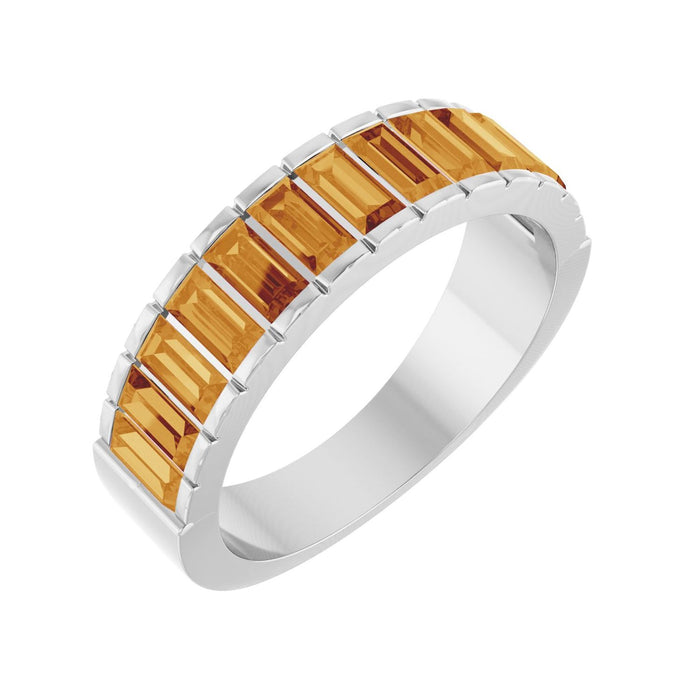
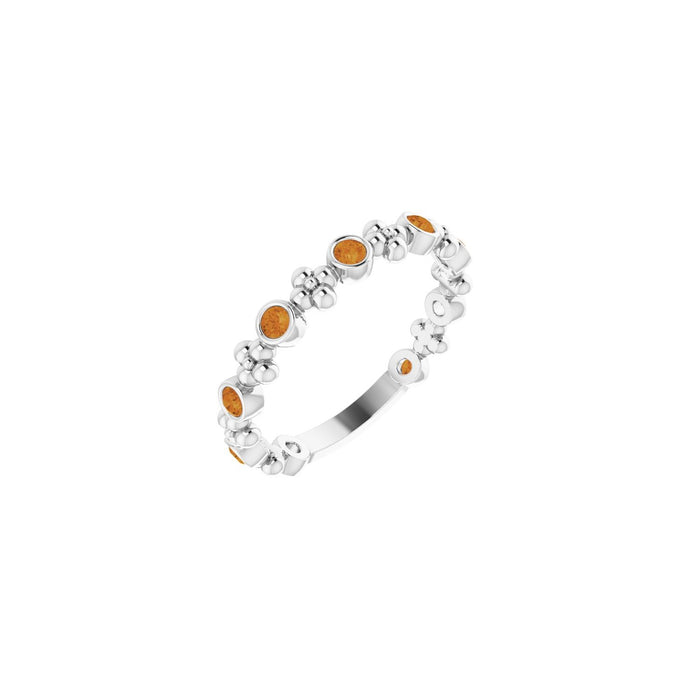
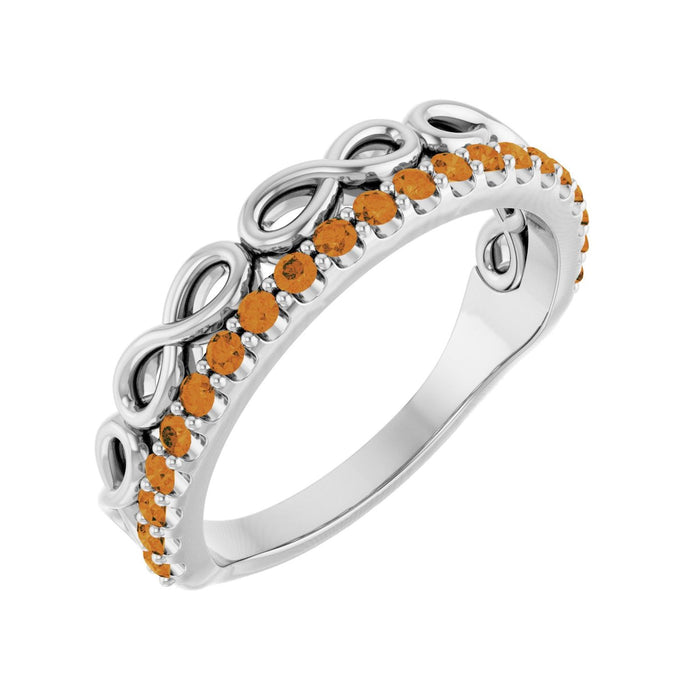
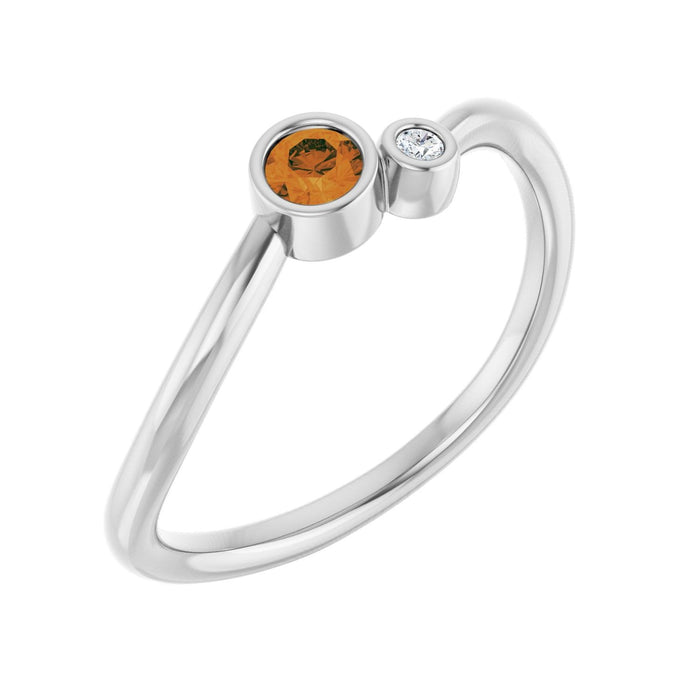
Citrine is the golden-to-orange variety of quartz, the same mineral family as amethyst and rock crystal. We stock it in two grades: golden citrine, a warm honey-to-amber, and Madeira citrine, a deeper, richer reddish-orange named for the fortified wine it resembles. Every stone in this collection is a natural citrine, and you choose the colour on each product page.
Is citrine treated?
Almost certainly, and we tell you so. Natural golden citrine is fairly rare, so most citrine on the market is gently heated from amethyst or smoky quartz to bring out its warm colour. The treatment is standard across the whole trade, it is permanent, it does not fade, and the colour will not wash out. We would rather name the step than imply your citrine is untouched.
What is the difference between golden and Madeira citrine?
They are the same species, just different depths of colour. Golden citrine is the classic bright honey-to-amber shade, while Madeira citrine is a deeper reddish-orange, closer to cognac or autumn leaves. Madeira is the rarer, richer grade, so it prices a little higher. Both wear identically; the choice is purely about the colour you love.
Is citrine natural or lab grown?
Every citrine in this collection is natural, earth-mined quartz that has been heated for colour. A lab grown citrine does exist in the trade, but we would rather set the real stone, so we do not use it here, and we leave out imitation, glass and simulant stones entirely.
How durable is a citrine ring for daily wear?
Citrine is 7 on the Mohs scale, a good hardness for everyday jewellery, and unlike tanzanite or topaz it has no cleavage plane, so it will not split along a hidden line. It can still scratch against something harder or chip on a sharp knock, though, so we build these rings into bezel, halo, channel, cluster and accented settings that shelter the stone, and we suggest taking the ring off for rough work.
How do I care for a citrine ring?
Clean it with warm water, a little mild soap and a soft brush, and avoid ultrasonic and steam cleaners, which are hard on heat-treated stones. Keep the ring out of long, strong sunlight, which can slowly pale some citrine, and store it apart from harder stones so nothing scratches it. Take it off for the gym, the garden and cleaning, and have the setting checked once a year.
Is this an engagement ring?
No. These are fashion rings, made for the right hand, a stack or a self purchase rather than a proposal. Citrine is warm, affordable and easy to wear, which makes it a lovely cocktail or everyday colour, so wear one however you like.
What carats and metals can I choose?
Each ring offers a range of center carats, usually from about three quarters of a carat up toward two and a half, and your choice of 14K or 18K white, yellow or rose gold, or platinum. Pick the carat, the colour and the metal on the product page and we set and size the ring to order.
Does the citrine come with a certificate?
These calibrated citrine ship without an individual lab report. We hand select every stone for even colour and a clean face. If you would like a certified stone or a larger center, our concierge can source and quote one honestly.
Why is citrine a November birthstone?
Citrine is one of the two November birthstones, alongside topaz, chosen for its warm golden colour. That makes one of these rings an easy, personal gift for a November birthday, or simply a sunny treat for yourself any month of the year.
Recently viewed products
Discover More to Adore