

Frequently Asked
Lab-Grown Diamond Jewelry FAQ
Are lab-grown diamonds real diamonds?
Yes. A lab-grown diamond is a real diamond, chemically and physically the same as a mined diamond. It is grown in a laboratory rather than formed in the earth, and that origin is the only real difference. It rates 10 on the Mohs hardness scale, the same as a mined diamond, and it is cut, polished and set in exactly the same way. It is not a simulant or a coating. On our site, every lab-grown stone is labeled lab-grown on its product page, and most titles in this collection say so as well, so there is never any doubt about what you are buying. Natural diamond pieces are labeled natural in the same way.
How is a lab-grown diamond different from a natural diamond?
The difference is where it formed. A natural diamond formed in the earth and was mined; a lab-grown diamond was grown in a laboratory. Chemically and physically they are the same material, with the same hardness of 10 on the Mohs scale, and once set in a ring or earring they look the same. Because origin is the distinction, we label every diamond natural or lab-grown on its product page. In Design Your Ring, the grading reports differ by origin too: natural loose diamonds come with a GIA report, and lab-grown loose diamonds come with an IGI, GCAL or GIA report. Choose the origin that matters to you; both are priced all-in.
Is a lab-grown diamond the same as moissanite?
No. Moissanite is a different stone, not a diamond. A lab-grown diamond is a real diamond, chemically and physically the same as a mined one. Hardness shows the difference: diamond, natural or lab-grown, rates 10 on the Mohs scale, and moissanite rates 9.25. Both are hard enough for everyday rings, but they are not interchangeable, and we never describe one as the other. Every product page names the stone exactly, so a lab-grown diamond piece says lab-grown diamond and a moissanite piece says moissanite. If you are deciding between them for an engagement ring, compare the product details side by side and ask our concierge team about anything unclear.
Do lab-grown diamond pieces come with a grading report?
It depends on how you buy. The finished pieces in this collection, such as stud earrings, hoops, bracelets and catalog engagement rings, are sold to a published specification. The product page lists the diamond weight and details, but these catalog pieces do not come with an individual grading report. If you want a report, use Design Your Ring. There you choose a loose lab-grown diamond, and each one comes with its own grading report from IGI, GCAL or GIA. You then pair it with a setting, and the ring is made to your size. For questions about a specific listing, write to concierge@diamondandsapphire.com before you order.
Which lab-grown diamond piece should I choose?
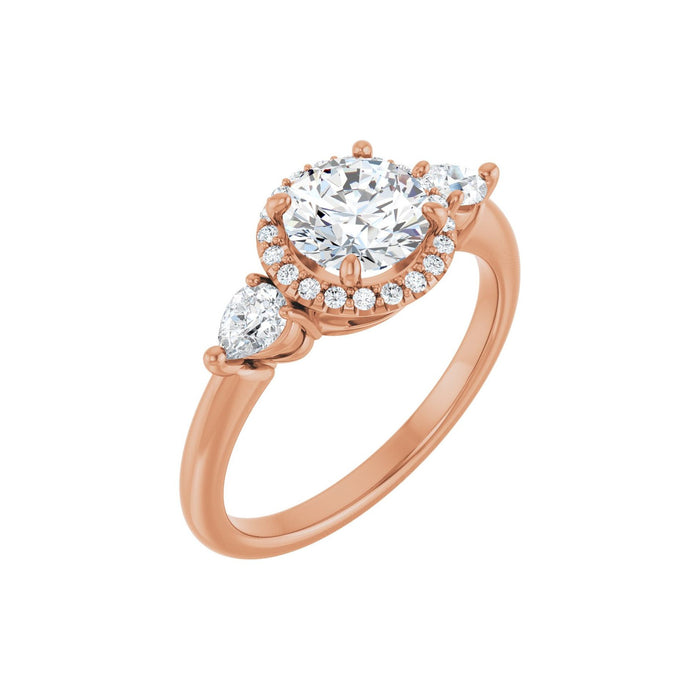
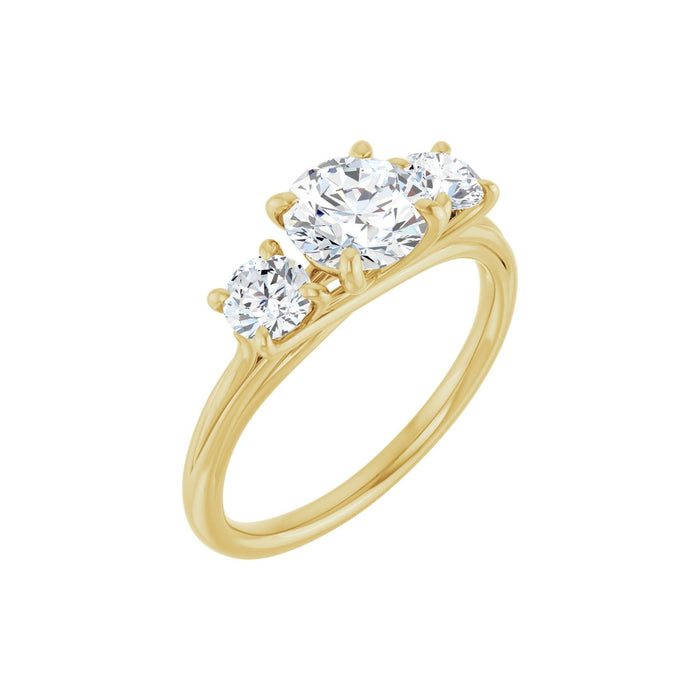
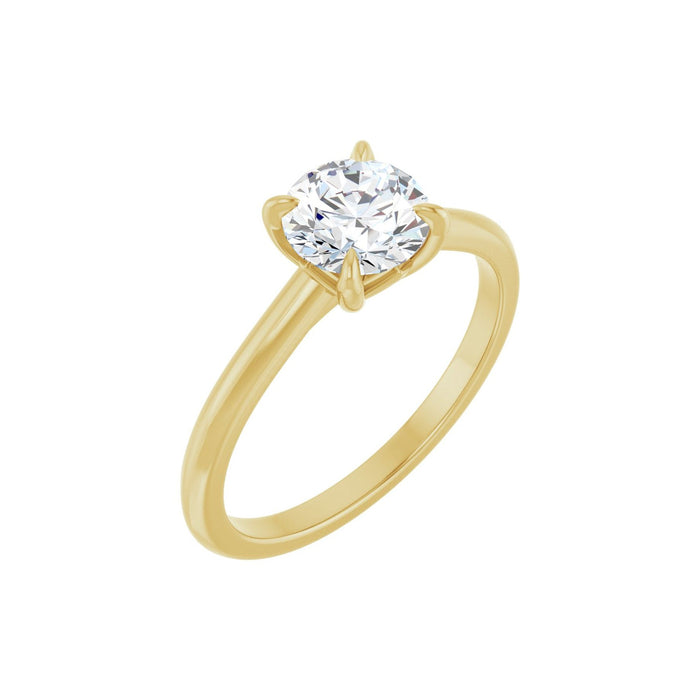
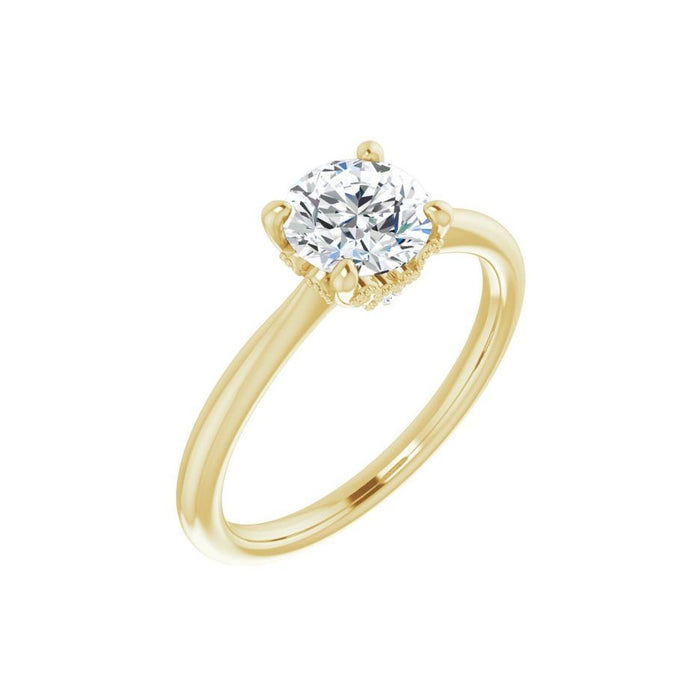
Start with how it will be worn. Stud earrings are the simplest everyday piece, with round, princess and marquise V-end shapes and weights such as 5/8 ct tw up to larger pairs. Hoops and front-back drops add movement for evenings or a bolder daily look. A bezel-set line bracelet or tennis bracelet gives a continuous run of diamonds. For a proposal, our lab-grown engagement rings cover solitaire, three-stone and channel-set designs. If you are buying for someone else, earrings avoid ring-size questions entirely. Every option is labeled lab-grown on the product page, and every price includes all the diamonds in the piece.
Which metal works best with lab-grown diamonds?
Lab-grown diamonds take metal the same way mined diamonds do, so choose by the look you want. White gold and platinum give a cool, bright frame that keeps colorless stones looking crisp. Yellow gold adds warmth and contrast, and rose gold gives a soft pink tone. This collection offers 14K and 18K white, yellow and rose gold plus platinum, with 10K white gold on a few designs. 18K holds a higher share of pure gold than 14K, which gives yellow and rose gold a richer color. Metal options vary by piece, so the product page lists exactly which metals each design comes in. Matching the metal the wearer already wears is the simplest rule.
How much does lab-grown diamond jewelry cost?
Lab-grown diamond jewelry in this collection starts from $199. Every price is complete and all-in, covering every diamond in the piece, and engagement ring prices include the center diamond and accent stones. Price rises with total carat weight, the size of the largest stone, the setting and the metal you select. Smaller studs and hoops generally cost less than larger stud pairs, tennis bracelets and engagement rings, which carry more diamond weight. The product page shows the price as you choose metal and size. Shipping is complimentary, by fully insured UPS Express with a signature required, and returns are accepted within 30 days of delivery for unworn pieces.
How long does lab-grown diamond jewelry take to ship?
Most pieces are made to order and ship in about 5 to 10 business days. Pieces marked ready to ship leave in 2 to 3 business days. Each product page shows its own timing, so check before you order if you are buying for a date. Shipping is complimentary, fully insured UPS Express, and a signature is required at delivery, so send it to an address where someone can sign. Rings are made to the size you choose at checkout, so allow for that when planning. If you need a piece by a particular day, write to concierge@diamondandsapphire.com before ordering and the team can advise on timing.
How durable is lab-grown diamond jewelry, and how do I care for it?
As durable as mined diamond jewelry. Lab-grown diamonds rate 10 on the Mohs scale, so they resist scratching in daily wear. The settings and metal need more care than the stones. Take rings and bracelets off for heavy lifting, the gym and gardening, where a hard knock can bend a prong or a link. Clean pieces with warm water, mild soap and a soft brush, and store them separately so diamonds do not scratch softer jewelry. Our free lifetime warranty covers manufacturing defects, such as a prong, clasp or setting failing under normal wear; it does not cover loss, theft or accidental damage.