
Frequently Asked
Tourmaline Earrings FAQ
What makes a good pair of tourmaline earrings?
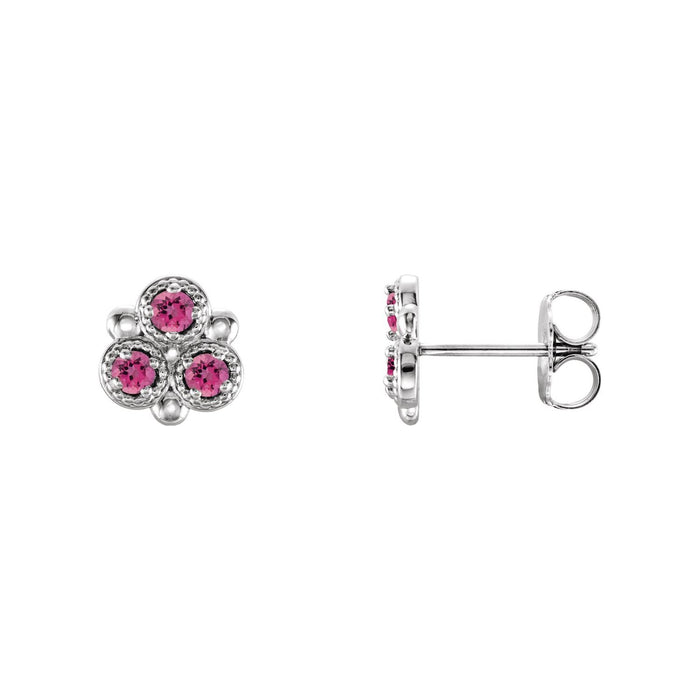
Tourmaline's appeal is color, and it comes in more colors than almost any other gem. A good pair starts with a clean, saturated tone that stays lively in daylight and lamplight, and with two stones matched closely enough that the pair reads as a true set, which matters most with pink, where shades vary. Tourmaline is a durable stone at about 7 to 7.5 on the Mohs scale, hard enough to wear comfortably as everyday studs, so the settings here are built for real wear, with the stone held securely and the girdle a little protected. Everything is set in solid gold or platinum rather than plated metal, and many designs add small natural diamonds to frame the color and add sparkle at the ear. Each product page names the tourmaline's color and its measurements, so you know exactly the tone and size you are choosing.
Are these genuine tourmalines, and can you source a specific color?
Yes. Every tourmaline in this collection is a genuine natural gemstone, not glass or an imitation, and where a design uses a lab-created or composite stone we say so plainly on its page. Natural tourmaline is prized for the color the earth gave it, and it is usually sold with little or no treatment, so the tone you see is essentially what came out of the ground. Color varies stone to stone, which is part of its character. If you have a particular shade in mind, a soft baby-pink, a vivid hot-pink rubellite, or a specific green, our concierge can often source it and match a pink closely across a pair before you commit, which is worth asking about since pink runs such a wide range. On the tourmaline and diamond designs, the accent stones are real natural diamonds. When a piece is plain tourmaline with no diamonds, we describe it that way.
What colors of tourmaline are in this collection?
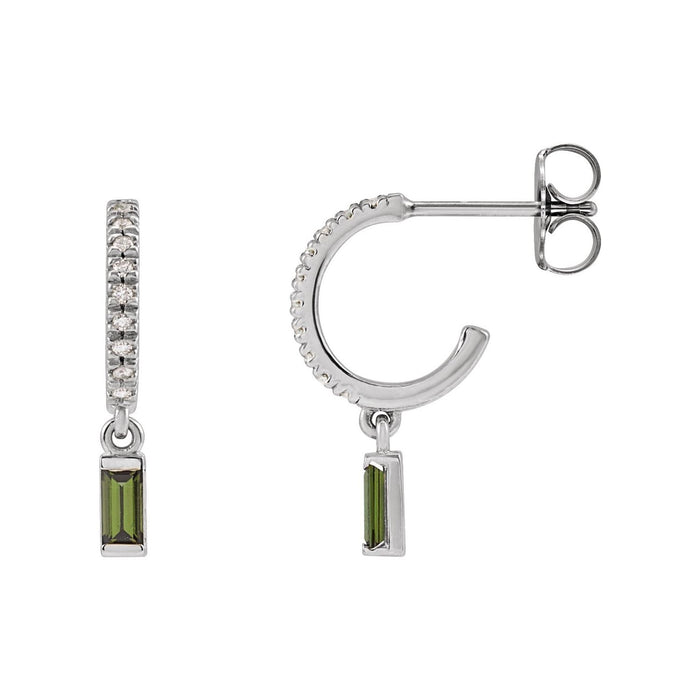
Tourmaline comes in a wider range of color than almost any gem, and several run through these earrings. Pink tourmaline is the most popular, from a soft, romantic baby-pink up to hot, vivid rubellite, the deep raspberry-red that is the most prized pink of all. Green tourmaline offers a fresh grassy-to-forest green that reads as a relaxed alternative to emerald at a friendlier price. Bi-color tourmaline is the distinctive one, a single stone that shifts from one color to another, often pink to green, so no two are alike. All of these are genuine natural tourmaline. Pink appears across the widest range of styles, while green and bi-color are rarer and reserved for a few special pieces. Each product page names the exact color so you can choose the mood you want, soft and pretty, cool and green, or a one-of-a-kind bi-color. If you love the color, see our tourmaline rings and necklaces too.
Which shape or cut should I choose?
Tourmaline is bright and takes a faceted cut beautifully, so most stones here are faceted to show off color and sparkle rather than cut as smooth cabochons. You will find a few shapes. Oval and round are the classic, flattering choice and easy to wear as studs or drops. Emerald and baguette cuts, with their long straight facets, suit tourmaline's clarity and give a clean, modern line, especially in green. Pear and cushion cuts feel a little more distinctive and read well on drops. Because tourmaline crystals grow long, elongated shapes like ovals, emerald cuts, and pears are common and often the best value for the color. For studs, a lower, compact cut sits neat against the ear; drops can carry a longer stone gracefully. Each product page lists the shape and the stone's measurements in millimeters, so you can picture how it will sit before it arrives.
How big are the stones, and what size should I choose?
Tourmaline gives strong, clean color for the money, so these earrings show real color without feeling heavy. Each product page lists the stone size in millimeters and, where diamonds are present, their total carat weight, which is the honest way to picture what you are getting rather than a vague size claim. Petite studs around 4 to 5mm sit neat and close for everyday wear and easy layering. Mid-size stones near 6 to 7mm read clearly as a colored gem from conversational distance and suit most faces. Larger stones and drops make a definite statement for evenings or a gift with impact. Because tourmaline costs far less per carat than ruby or emerald, you can wear a noticeably larger, brighter stone for the same budget. Studs wear best a touch smaller so they stay comfortable all day, while drops can carry more. If you want a stone a little larger, our concierge can often quote it.
Which metal should I choose?
Every pair is made in solid precious metal, never plated base metal, so it lasts and can be handed down. Depending on the design you can choose 14K white gold, 14K yellow gold, 14K rose gold, or platinum, with the posts and backs made in the same metal for a comfortable, seamless finish. Rose gold is a natural partner for pink tourmaline and rubellite, deepening the pink and giving a soft, romantic look many people love for a gift. White gold and platinum stay cool and modern and make a bright pink or a green tourmaline pop against the metal. Yellow gold gives a warm, classic, heirloom feeling and flatters green tourmaline especially well. Platinum is the most durable option and is naturally hypoallergenic, worth considering for sensitive ears. Each product page lists the metals offered for that design.
What earring styles and backs are available, and are they secure?
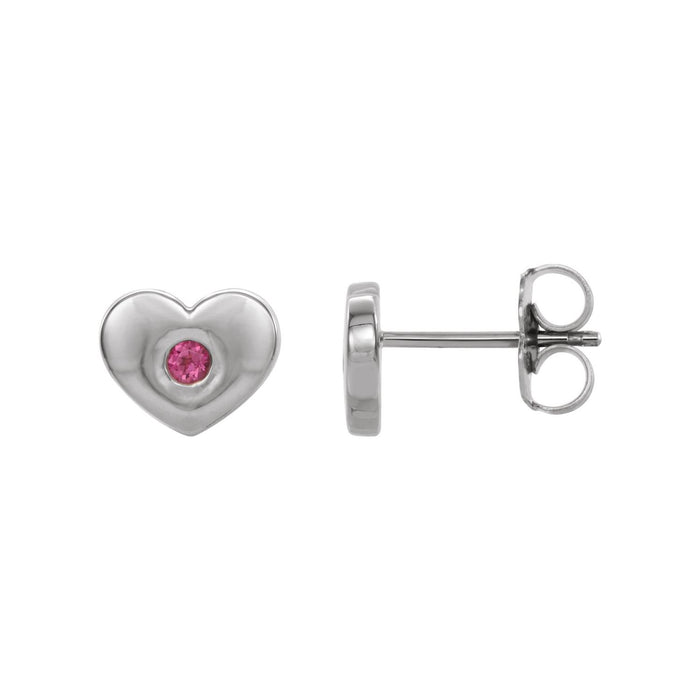
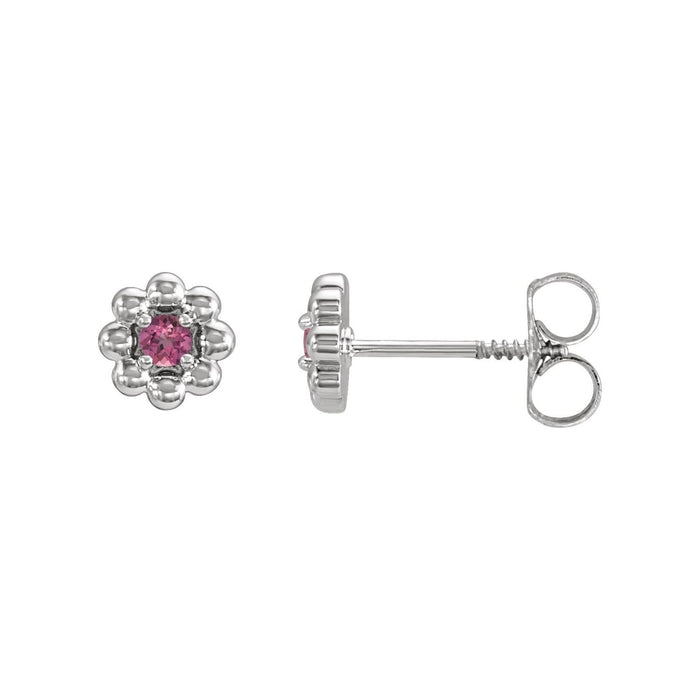
This collection runs from studs to hoops and drops. Tourmaline studs are the everyday workhorse: at 7 to 7.5 on the Mohs scale the stone handles daily wear well, and studs sit close to the ear on a standard post with a friction (push) back, with secure screw backs offered on many designs for extra hold if you rarely take them out. Drop and dangle styles hang below the lobe on a post or a secure lever back or shepherd's hook, giving movement and showing more of the stone's color as it catches light. Hoops set with tourmaline add color to a familiar shape and usually close with a hinged snap or click. The settings hold the stone securely and give the girdle a little protection, though we still suggest avoiding hard knocks. Each product page lists the exact back type for that pair.
Are tourmaline earrings a good gift, and is tourmaline a birthstone?
They make a warm, personal gift, and the calendar helps: tourmaline is a birthstone for October, shared with opal, so a pair makes a natural present for an October birthday. Tourmaline is also the traditional gemstone for an 8th wedding anniversary. Pink tourmaline in particular has long been linked with love and the heart, which makes a pink pair a heartfelt choice for a partner, while green or bi-color suits someone with more adventurous taste. A soft pink stud is a safe crowd-pleaser when you are unsure of someone's taste; a rubellite or bi-color drop suits a bolder wearer. A tourmaline and natural diamond pair feels far more special than its price suggests, and earrings sidestep the sizing guesswork of a ring. If you are shopping the October birthday, see our other October birthstone pieces, including opal, in the same genuine-gemstone quality.
How much do tourmaline earrings cost, and what does the price include?
The price on each page is the complete, finished pair as shown: two genuine tourmaline stones and any natural diamonds already set in solid gold or platinum, with the posts and backs included, not a single earring or a bare stone with the setting added later at checkout. Pairs start at about $239 for a simple tourmaline stud and rise into the low thousands for the largest diamond-halo and drop designs, so there are no surprise charges to get the metal and backing you see. Every order includes complimentary insured shipping and a straightforward returns window, so the figure on the page is genuinely what you pay to wear the pair.
How do I care for and clean tourmaline earrings?
Tourmaline is an easy stone to live with. At about 7 to 7.5 on the Mohs scale it is hard enough for everyday earrings and resists the everyday scratches that would trouble a softer gem, so care is simple. Clean it with warm water, a drop of mild dish soap, and a soft brush, then rinse and dry with a lint-free cloth. It is safest to skip steam cleaners and to be cautious with ultrasonic machines, since tourmaline can carry internal inclusions and a sudden temperature change or a sharp knock can affect any included stone. Keep the earrings away from harsh household chemicals, and take them off before heavy chores or sport where they might take a hard hit. Store them apart from harder jewelry like diamonds that could scratch them, ideally in a soft pouch. Put earrings on after perfume and hairspray, and they will stay bright for years.