
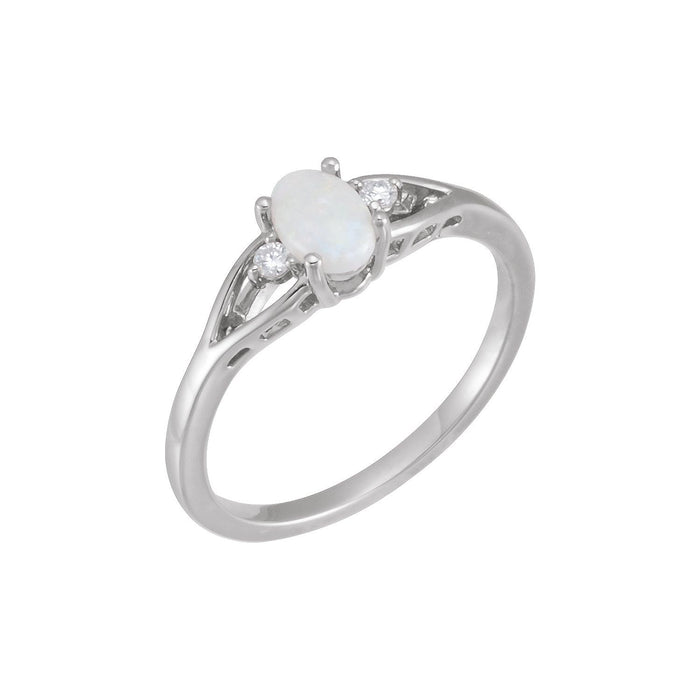
 View Piece
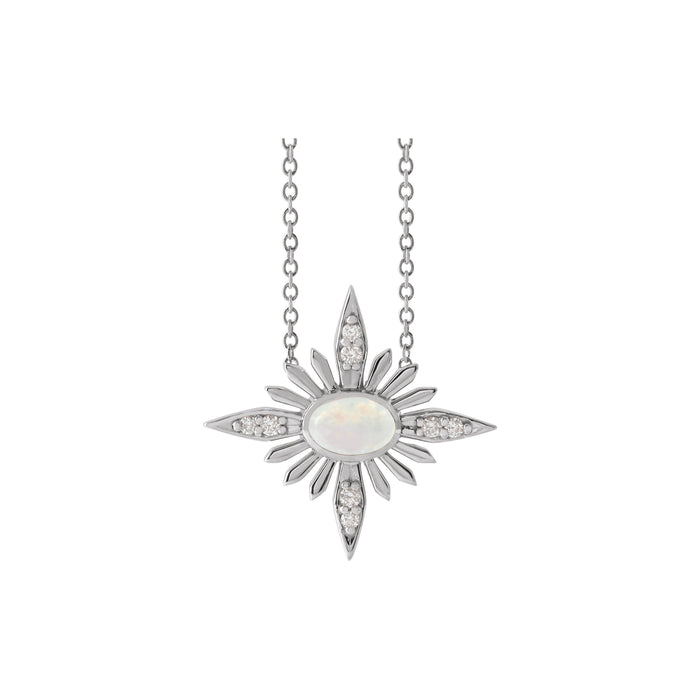 View Piece
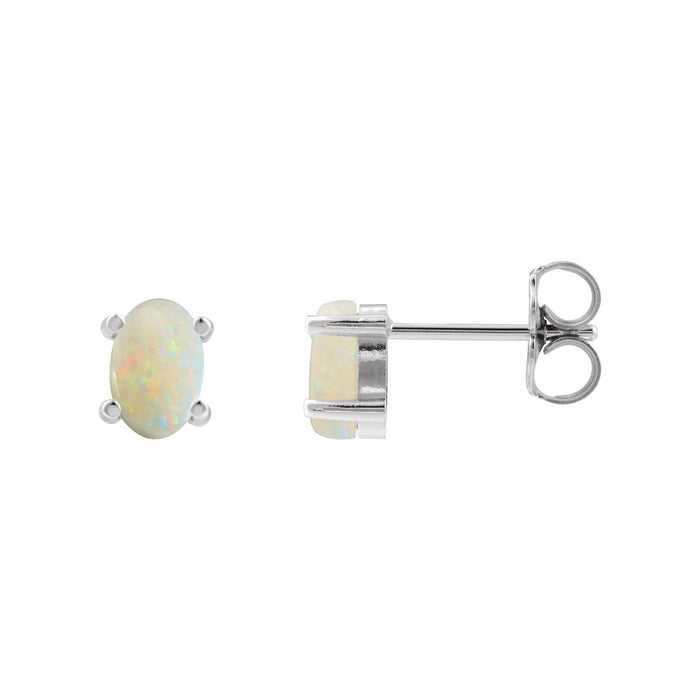 View Piece
 View Piece
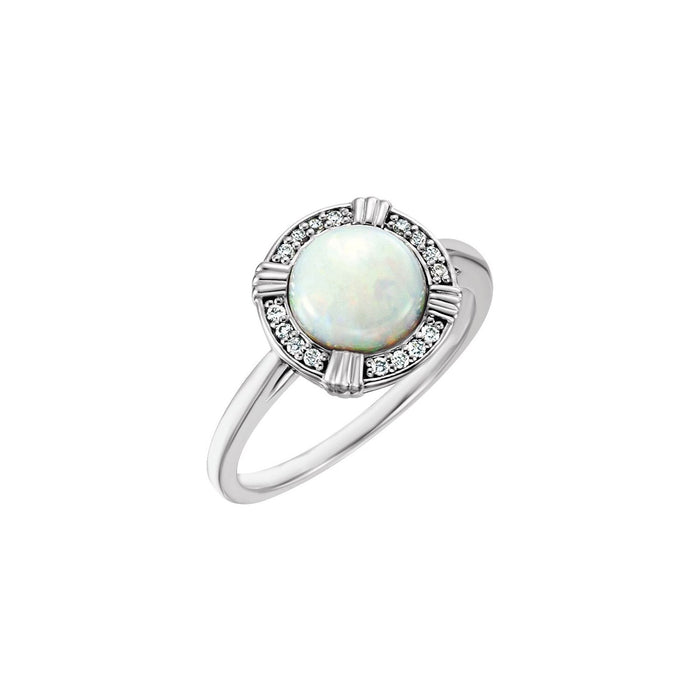 View Piece
 View Piece
 View Piece
 View Piece
 View Piece
 View Piece
 View Piece
 View Piece
 View Piece
 View Piece
 View Piece
Frequently Asked
Opal Jewelry FAQ
Why choose opal jewelry?
No other gem shows color the way opal does. Flashes of color shift across the surface as the stone moves, so each opal looks a little different from the next, and a piece changes character in different light. Opal is the October birthstone, shared with tourmaline, which makes it a meaningful choice for an October birthday. It also pairs naturally with diamonds, and many of our opal pieces frame the stone with a diamond halo. The trade-off is durability: opal is softer than most gems, so it suits people who are happy to give their jewelry a little care, and it is easiest to wear daily in earrings and pendants.
What is the difference between Ethiopian and Australian opal?
The name tells you where the opal was mined, and the two behave differently in one important way. Ethiopian opal can absorb water, so it should never be soaked, and it is best kept away from long exposure to water and liquids. Australian opal comes from Australia; our selection includes Australian white opal, which has a pale body color with flashes of color across it. Both rate 5.5 to 6.5 on the Mohs scale and need the same gentle handling: avoid hard knocks, high heat and chemicals. Each product page names the opal type when it is specified, so check the title and details before you order if origin matters to you.
Is the opal natural or lab-grown?
Every product page states whether its stones are natural or lab-grown, so you always know what you are buying. Most of the pieces in this collection are titled by the opal itself, such as Ethiopian opal or Australian white opal, and accent stones such as diamonds, pink sapphire or turquoise are listed in the details as well. Our catalog pieces are sold to a published specification and do not come with an individual grading report. If you would like more detail on a specific piece before ordering, such as the opal's size or the accent stones in a halo, our concierge can help at concierge@diamondandsapphire.com.
Can I wear an opal ring every day?
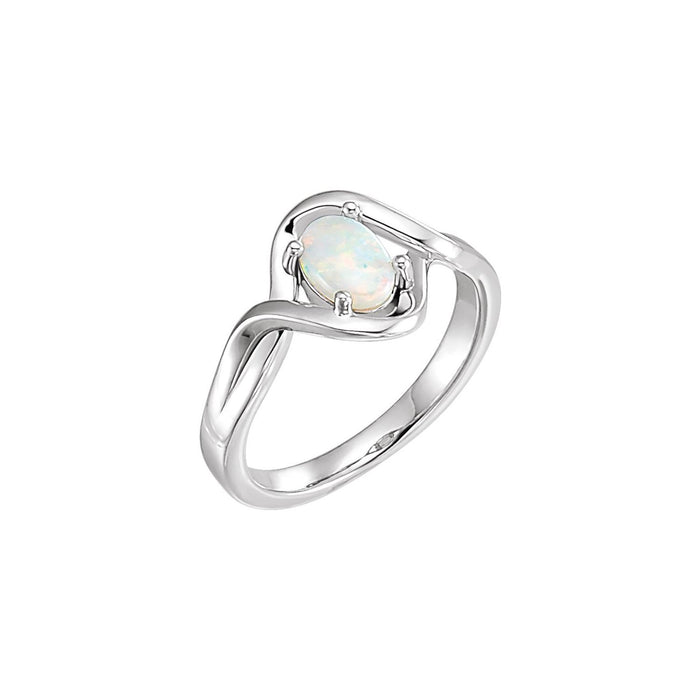
You can, with sensible habits. Opal rates 5.5 to 6.5 on the Mohs scale, well below sapphire or diamond, so a hard knock can chip or crack it. Choose a protective setting: a bezel wraps the stone's edge in metal, and a diamond halo sits around it and takes some of the contact. Our opal rings use both. Take the ring off for the gym, gardening, cooking, cleaning and anything with heat or chemicals. Avoid sudden temperature changes too. If you want opal you can wear without thinking about it, earrings and pendants are the lower-risk choice. Every piece has a free lifetime warranty against manufacturing defects.
Can opal get wet?
Brief contact with water is not the main concern, but soaking is. Ethiopian opal can absorb water, so it should never be soaked, and it is best to take it off before swimming, bathing or washing dishes. Absorbed water can temporarily change how the stone looks. For any opal, avoid long exposure to water, harsh chemicals, chlorine and high heat, and keep it out of ultrasonic cleaners and steamers. Put opal jewelry on after lotions, perfume and hairspray, not before. The simplest rule is to treat opal as the last thing you put on and the first thing you take off. That habit protects it from most everyday risks.
How do I clean opal jewelry?
Wipe it with a soft, slightly damp cloth, then dry it straight away with a clean, lint-free cloth. For a halo or setting that needs more, use a very soft brush with a little lukewarm water and mild soap on the metal and diamonds, keeping the opal itself as dry as possible and never soaking the piece. Skip ultrasonic cleaners, steamers and chemical dips entirely. Store opal separately in a soft pouch, away from harder stones that could scratch it and away from direct heat. A wipe after each wear removes skin oils and keeps the color flashes looking clear between deeper cleanings.
Which metals are available for opal jewelry?
Opal pieces here come in 14K white gold, 14K yellow gold, 14K rose gold and platinum. White gold and platinum give a cool, bright frame that matches diamond halos and keeps the focus on the opal's color play. Yellow gold warms the stone and gives it a softer, vintage feel. Rose gold is softer and pairs well with pink accents, such as the pink sapphire on our vintage drop earrings. 14K gold is durable and well suited to everyday jewelry, and platinum is naturally white and denser. Choose the metal on the product page and the price updates for that exact version.
How much does opal jewelry cost?
Opal jewelry here starts from $469, and the price shown is the complete price of the finished piece, including diamond accents such as halos. The main price drivers are size, the amount of diamond work and metal. A small halo pendant or pair of halo studs sits toward the lower end, while statement rings and multi-stone necklaces sit higher. Platinum costs more than 14K gold. Most pieces are made to order and ship in about 5-10 business days with complimentary, insured UPS Express; each product page shows its own timing. Unworn pieces in original condition can be returned within 30 days of delivery.
How do I choose between opal rings, earrings, necklaces and pendants?
Match the piece to how it will be worn. Opal earrings and opal necklaces rarely meet hard surfaces, so they are the easiest way to wear a soft gem often. Rings show opal off best but take the most contact, so look for halo and bezel settings. Rings are made to the size you choose when you order, with help from the sizing guide. Necklaces list their chain length on each product page, and earring backs and closures vary by piece. For a gift when you do not know a ring size, earrings or a pendant are the simpler choice.