
Frequently Asked
Diamond Pendants FAQ
What styles of diamond pendant do you carry?
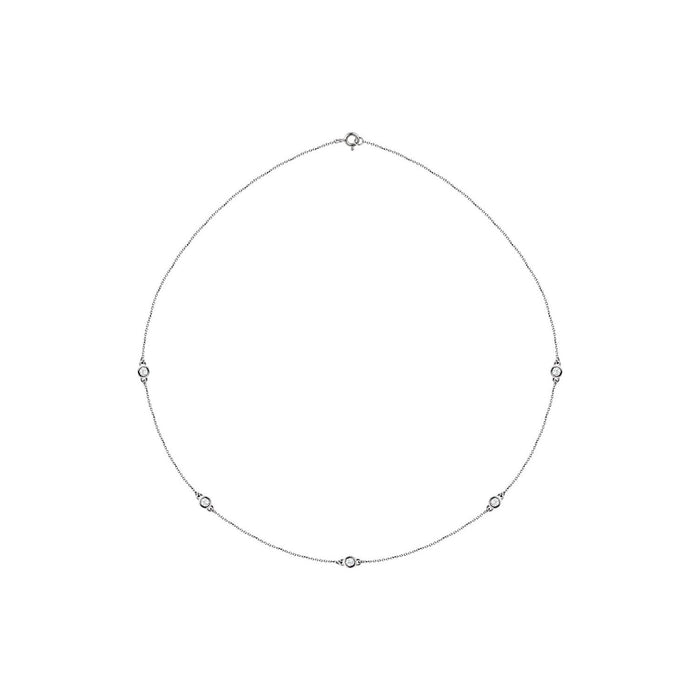
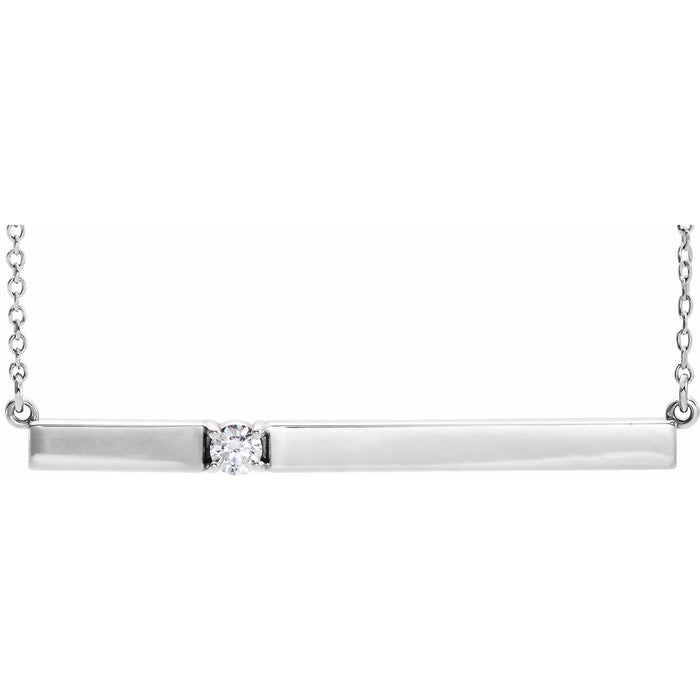
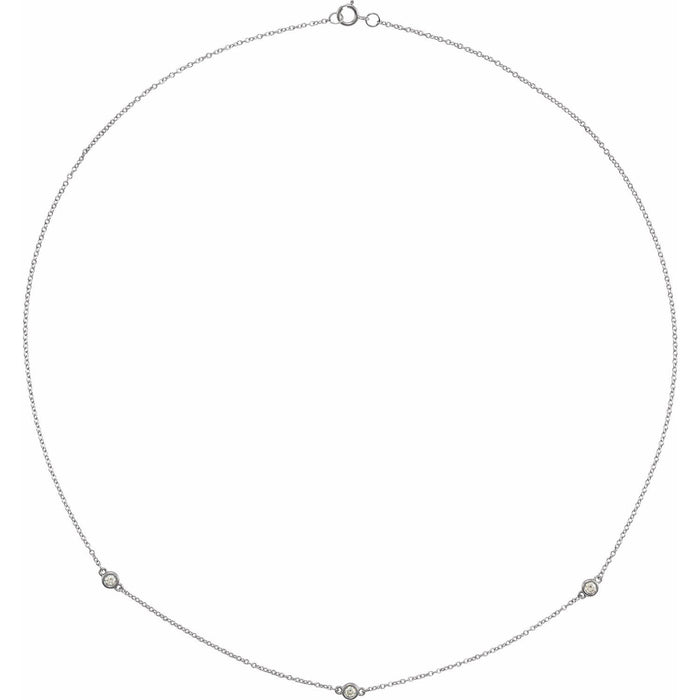
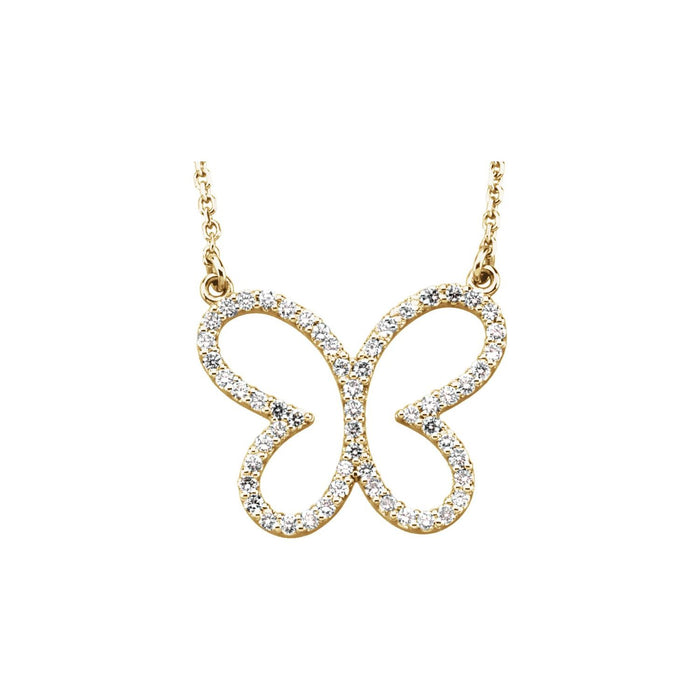
Our diamond pendants fall into a few main families. A solitaire centers on one diamond and keeps everything else quiet, which makes it the classic first fine piece. A halo wraps that center in a ring of smaller stones for extra sparkle and presence. A cluster groups several diamonds into a single shape — a flower, a star, or a soft round — so the face looks full without one large stone. Station styles space individual diamonds along the chain for a light, everyday feel. Beyond those, you'll find shape motifs like hearts and initial or letter pendants for a personal touch. Each style sits a little differently at the collarbone, so it helps to think about how bold you want the piece to read day to day. If you're deciding between two, our team is happy to talk you through the look in person or over chat.
Are the diamonds real, and can I choose lab-grown or natural?
Yes — every diamond we set is a real diamond, and you choose between lab-grown and natural. Lab-grown diamonds are chemically and optically identical to mined ones; the difference is origin, not the material, and they typically cost less carat for carat. Natural diamonds formed over billions of years and carry that traditional appeal. Neither is "fake," and both test as diamond. For center stones, we can supply an independent certificate on request so you have documentation of the exact grades. Accent and melee diamonds are sold to a published color and clarity spec by nominal carat weight rather than individually certified, which is standard for small stones, and any lab-grown accents are clearly disclosed on the product page. If you want help weighing the trade-offs, our guide to lab-grown vs natural diamond lays out the cost, sourcing, and value differences side by side.
Does the pendant include a chain, and what length should I choose?
Most of our diamond pendants come with a matching chain, and the product page states clearly whether a chain is included and in which metal — so there are no surprises at checkout. When a piece is sold as the pendant only, we say so and offer chains separately. On length, the common choices are 16, 18, and 20 inches. A 16-inch chain sits high, close to the base of the neck, almost like a choker on some people. An 18-inch chain is the most popular all-purpose length; it rests just below the collarbone and works with most necklines. A 20-inch chain drops lower onto the chest, which suits layering or a taller frame. If you're between sizes, 18 inches is the safe default. Many of our chains are adjustable, letting you shorten by a couple of inches, and we're glad to advise if you tell us the wearer's height and how they like to wear necklaces.
How much carat weight do I need, and how big will the pendant read?
Carat weight tells you how much a diamond weighs, not exactly how wide it looks, though the two track closely. On a pendant, carat weight can describe a single center stone or the total weight across every diamond, so check the product page to see which figure is quoted. All our carat weights are nominal, meaning approximate — small variations are normal in fine jewelry. As a rough guide, a half-carat round center reads as a clear, confident point of light at the collarbone, while a one-carat center makes an obvious statement. Halo and cluster styles use smaller stones to build a bigger overall face, so they can look larger than their center carat alone would suggest. Because a pendant hangs against open skin rather than on a finger, it often appears a touch more prominent than the same stone in a ring. Our diamond size chart shows millimeter sizes so you can visualize the scale.
Which metal should I pick — 14K gold or platinum?
We offer 14K white gold, 14K yellow gold, 14K rose gold, and platinum. The right choice comes down to skin tone, everyday wear, and the look you want. White gold and platinum both give a bright, cool setting that lets a diamond look especially white and modern; platinum is denser, naturally white all the way through, and very durable, while 14K white gold is lighter and more affordable and is finished with rhodium for extra brightness. Yellow gold brings warmth and a classic feel that flatters warmer skin tones and hides everyday wear well. Rose gold has a soft, romantic pink cast that's popular for gifts. 14K is a practical daily choice because it's harder than 18K and holds up to regular wear. If you're weighing the two brightest metals, our comparison of white gold vs platinum covers cost, durability, and upkeep so you can pick with confidence.
What is the bail, and how does the pendant hang?
The bail is the small loop or fitting at the top of a pendant that the chain passes through — it's what lets the pendant hang and swivel. A well-made bail keeps the diamond facing forward instead of twisting sideways, so the stone shows off properly as you move. Our pendants use bails sized to suit the chain they're paired with; a heavier pendant gets a sturdier bail so nothing strains over time. Some designs use a fixed bail integrated into the setting for a seamless look, while others use a hinged or open bail that makes it easy to swap chains. If you plan to wear the pendant on a chain you already own, check that your chain's thickness will pass through the bail before ordering. When you receive your piece, it's worth glancing at the bail now and then to confirm it's closed and secure, which we also check at any service visit.
Solitaire vs halo — which one looks bigger?
If face-up size is your priority, a halo usually wins. A halo surrounds the center diamond with a ring of small pavé stones, and that ring adds visible diameter, so a halo built around a half-carat center can look close to a piece with a much larger single stone. It's the most size-per-dollar style we carry, which is why it's so popular. A solitaire shows only the center diamond, so what you see is what you paid for in that one stone — clean, honest, and timeless, but it won't read larger than its actual carat. The trade-off is character: a solitaire feels understated and classic, while a halo reads sparkly and full. Note that the accent stones in a halo are often lab-grown, and we disclose that on the page. If you want maximum presence on a set budget, choose a halo; if you love the purity of one diamond, choose a solitaire.
Is a diamond pendant a good gift, and who is it for?
A diamond pendant is one of the most giftable pieces of fine jewelry, largely because it's easy to wear and doesn't require a ring size. It's a favorite for milestone moments: a push present for a new parent, an anniversary or birthday, a graduation, or a first "real" diamond for someone stepping up from costume jewelry. Because pendants layer well and suit almost any neckline, the recipient gets something they can reach for every day rather than save for special occasions. If you're buying as a surprise, a solitaire or a simple halo on an 18-inch chain is a safe, well-loved choice. For a personal angle, consider an initial pendant or a shape that means something to them. Every piece arrives gift-ready, ships free, and is backed by our lifetime warranty, so the person you're giving it to is covered long after the occasion. Our team can help you choose if you're unsure.
What is the price range, and what does the all-in "from" price include?
Pricing varies with the diamond you choose, the carat weight, the metal, and the style, so each product page shows an all-in "from" price for that specific piece rather than a teaser with hidden add-ons. Lab-grown options generally start lower than comparable natural stones, which is one reason many shoppers stretch to a larger look for the same spend. The "from" price reflects the base configuration of the pendant as described — including the setting and, where noted, the matching chain — so you can see the real starting cost before choosing any upgrades. Options like a larger center stone, a different metal, or a certified center diamond adjust the total, and those changes are priced transparently as you select them. Free shipping and our lifetime warranty are already included at every price point. If you have a budget in mind, tell us and we'll point you toward the styles that give the most presence within it.
How do I care for and clean a diamond pendant?
Diamond is the hardest natural material — a 10 on the Mohs scale — so the stone itself shrugs off everyday wear, but the setting, bail, and chain deserve gentle attention. For routine cleaning, soak the pendant a few minutes in warm water with a drop of mild dish soap, brush lightly around and behind the diamond with a soft toothbrush, rinse, and pat dry with a lint-free cloth. Skip harsh chemicals, chlorine, and ultrasonic machines unless we've confirmed your piece is suited to them. It's smart to take pendants off before showering, swimming, applying lotion or perfume, and sleeping, since film buildup dulls sparkle and a chain can snag overnight. Every so often, check that the bail is closed and the chain clasp works smoothly, and glance at the prongs holding the diamond. Our lifetime warranty covers craftsmanship, and our guide on how to clean jewelry walks through it step by step.