
 View Piece
 View Piece
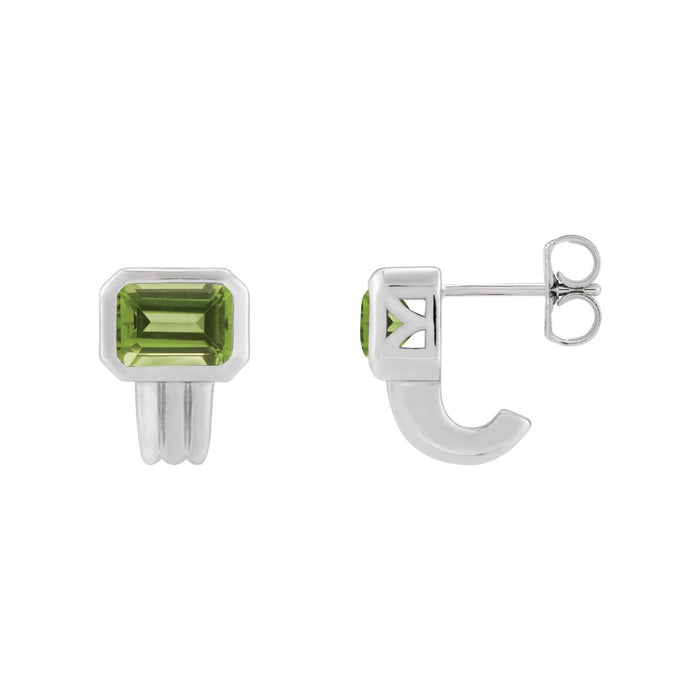 View Piece
 View Piece
 View Piece
 View Piece
 View Piece
 View Piece
 View Piece
 View Piece
 View Piece
 View Piece
 View Piece
 View Piece
 View Piece
 View Piece
 View Piece
 View Piece
 View PieceTop Holiday Gift Pick
 View Piece
 View Piece
 View Piece
 View Piece
 View Piece
What peridot is
Peridot is the gem variety of olivine, a mineral that forms deep in the earth's mantle and reaches the surface through volcanic activity. A small amount has even arrived on meteorites. Unlike sapphire or garnet, it never strays far from one color: green, from a bright lime with a touch of yellow to a deeper olive. That steadiness is part of its charm. The green comes from the iron in the crystal itself, so the stone does not need dyeing or coating to look the way it does. Our peridot guide goes deeper into its geology.
Peridot, the August birthstone
Peridot is the birthstone for August and the gem GIA lists for the 16th wedding anniversary. As a summer birthday gift, peridot birthstone jewelry is hard to beat: the color looks right against a tan, and a pair of studs or a small pendant needs no size. Read more in the August birthstones, check birthstones by month, or see mixed-stone family pieces in birthstone jewelry.
From Egyptian islands to cathedral treasure
The oldest recorded source is a small island in the Red Sea now called Zabargad, mined for peridot more than two thousand years ago. For centuries the stone was mistaken for emerald and topaz: the roughly 200 carats of green gems on a shrine in Cologne Cathedral, long believed to be emeralds, turned out to be peridot. Today much of the supply comes from Arizona, China, Myanmar, Pakistan, Tanzania and Vietnam, and fine Burmese stones are prized for their depth of color.
How to judge peridot color
GIA describes the preferred color as a pure grass green without a hint of yellow or brown. Lighter, more yellow stones read brighter and more playful, especially in yellow gold; deeper greens look richer in white gold and platinum. Most peridot in jewelry sizes is clean to the eye. Every peridot in this collection is natural, and if a stone has been treated, its product page says so.
Caring for peridot
Peridot rates 6.5 to 7 on the Mohs scale, softer than many gems, and GIA does not recommend it for daily wear in a ring. Earrings, necklaces and pendants are the natural home for it. A peridot ring is best kept for occasions, with a halo or bezel to protect the stone. Clean it only with mild soap, warm water and a soft brush: never use a steam or ultrasonic cleaner, because sudden temperature changes can crack it, and keep it away from acids. Store it apart from harder gems. Our Mohs hardness scale and jewelry cleaning guide explain why.
| Gem | Mohs hardness |
|---|---|
| Diamond | 10 |
| Sapphire and ruby | 9 |
| Emerald, aquamarine and morganite | 7.5 to 8 |
| Amethyst and citrine | 7 |
| Peridot | 6.5 to 7 |
| Opal | 5 to 6.5 |
How to choose peridot jewelry
Start with earrings or a pendant if this is a first peridot piece; they show off the color and ask little of the stone. The bar and bezel necklaces wear easily under a collar, while the diamond-halo pendants and studs carry more presence for evenings. For a ring, choose a design you will save for occasions, and lean toward bezels or halos. Peridot's green is famously flattering in yellow gold, which makes it look sunlit; white gold gives a crisper, cooler green. Rings are made to order in your size, so use the sizing guide before you choose.
Peridot Jewelry at a glance
| Piece | Wear level | Best settings | Good to know |
|---|---|---|---|
| Peridot rings | Highest | Halo, bezel, protected prongs | Best for occasional wear; made to your size |
| Peridot engagement rings | Daily | Halo, three-stone, cathedral | Needs gentle wear; 14K or 18K gold |
| Peridot necklaces | Low | Bar, bezel, halo, solitaire | Chain length listed per piece |
| Peridot pendants | Low | Halo, hexagon, open square | The easiest way to wear peridot daily |
| Peridot earrings | Low | Studs, halos, hoops | No sizing needed; an easy gift |
Frequently Asked
Peridot Jewelry FAQ
What is peridot jewelry?
Peridot jewelry is any piece set with peridot, the green gem variety of the mineral olivine. Ours sets natural peridot in solid 14K white, yellow or rose gold, with platinum on most designs and 18K gold on the engagement rings: rings, engagement rings, necklaces, pendants, studs and hoops.
Is your peridot jewelry real?
Yes. Every peridot in this collection is natural, mined peridot, and the product page states it. Accent stones are listed separately; one ring pairs peridot with laboratory-grown diamonds, and its title says so.
Is peridot the August birthstone?
Yes. Peridot is the August birthstone, and GIA lists it for the 16th wedding anniversary. See the August birthstones for its companions and history.
What color is the best peridot?
GIA describes the preferred color as a pure grass green with no hint of yellow or brown. Lighter, yellowish greens are more common and look bright and lively; deeper greens are rarer and richer. The right choice depends on the metal and the look you want.
Can you wear peridot every day?
Peridot earrings and necklaces, yes. A peridot ring needs more caution: at 6.5 to 7 on the Mohs scale, GIA does not recommend it for daily ring wear. Save the ring for occasions, choose a protective halo or bezel, and remove it for anything rough.
Are peridot engagement rings a good idea?
Only for someone who understands the trade-off. Peridot is softer than sapphire or diamond and can scratch or chip with constant wear. Our peridot engagement rings use halo, three-stone and solitaire designs with round, cushion and emerald-cut centers from 1.5 to 3 carats, in 14K or 18K gold. For a ring worn every day, a harder stone such as sapphire is the more durable choice.
Is peridot treated?
Peridot is not commonly treated; its green is natural to the stone. If a treatment applies to a specific piece, the product page says so.
What does peridot symbolize?
Ancient Egyptians prized peridot from the island now called Zabargad, and it later decorated priestly jewelry and church treasures. Its bright green has long been tied to light and renewal, which suits a summer birthday. Our peridot guide tells the full story.
How do I clean peridot jewelry?
Use a soft brush with mild dish soap in warm water, then rinse and dry. Never use a steam or ultrasonic cleaner, since peridot can crack with sudden temperature changes, and keep it away from acids. More in our jewelry cleaning guide.
Which metal looks best with peridot?
Yellow gold is the classic pairing; it warms the green and makes it glow. White gold and platinum give a cooler, crisper green and make diamond accents look brighter. Rose gold is a softer, more unexpected option. Most of our peridot jewelry is offered in all three colors of 14K gold.
Is peridot the same as emerald?
No. Emerald is a green beryl, rated 7.5 to 8 on the Mohs scale, with a bluish to pure green and characteristic inclusions. Peridot is olivine, a little softer, with a yellowish green tone, and far more affordable. The two were confused for centuries, which is why some historic "emeralds" are peridot. See emerald jewelry to compare.
Do you sell peridot bracelets or jewelry sets?
We do not carry peridot bracelets at the moment, and there are no boxed sets. Many peridot earrings and necklaces share a stone shape and setting, such as the diamond-halo designs, so a matching pair and pendant is easy to build.
How do I choose the right ring size?
Every peridot ring is made to order in the size you select, and rings are final sale, so measure first with our sizing guide. Between sizes, go up for wider bands.