
 View Piece
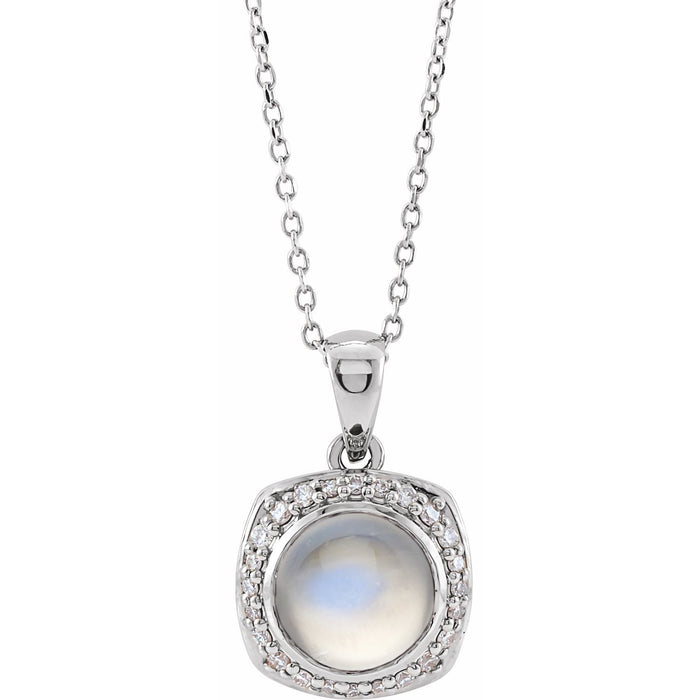 View Piece
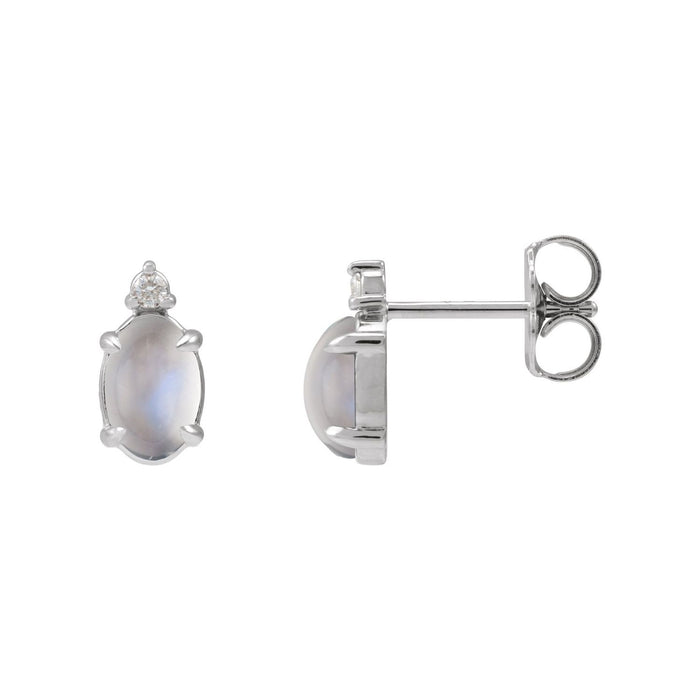 View Piece
 View Piece
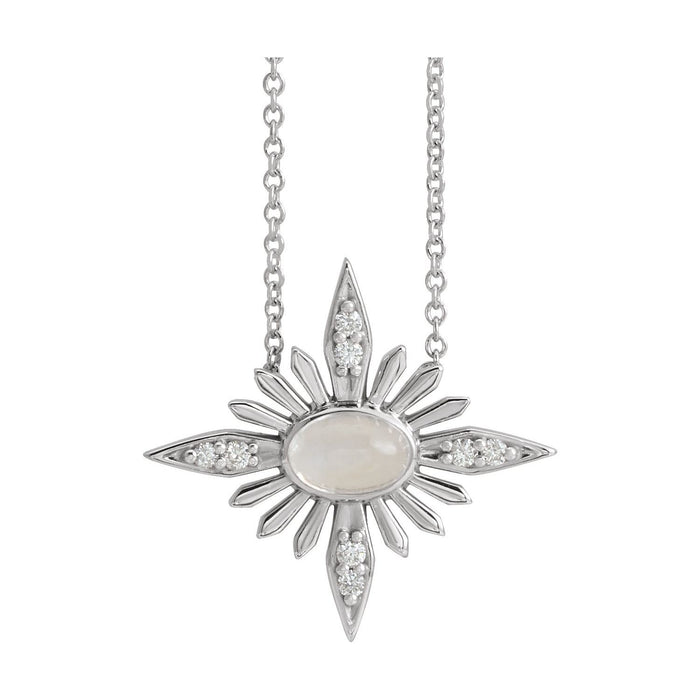 View Piece
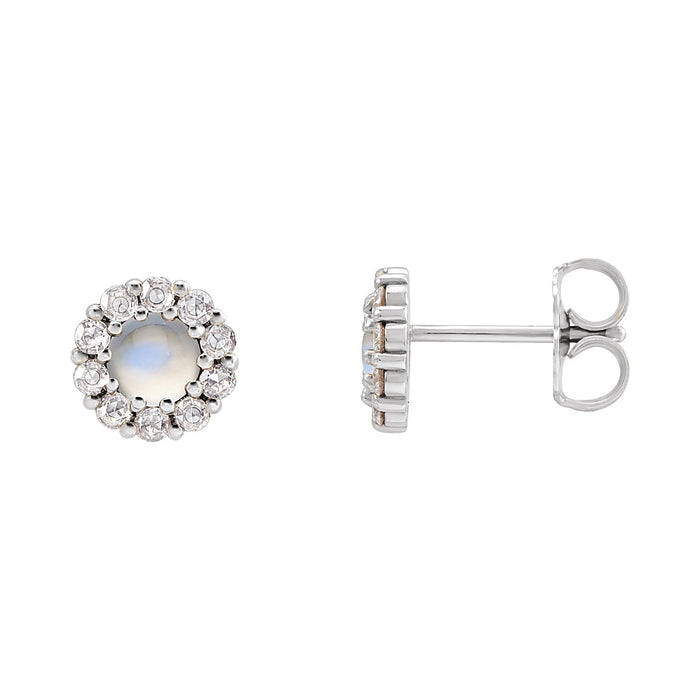 View Piece
 View Piece
 View Piece
 View Piece
 View Piece
 View Piece
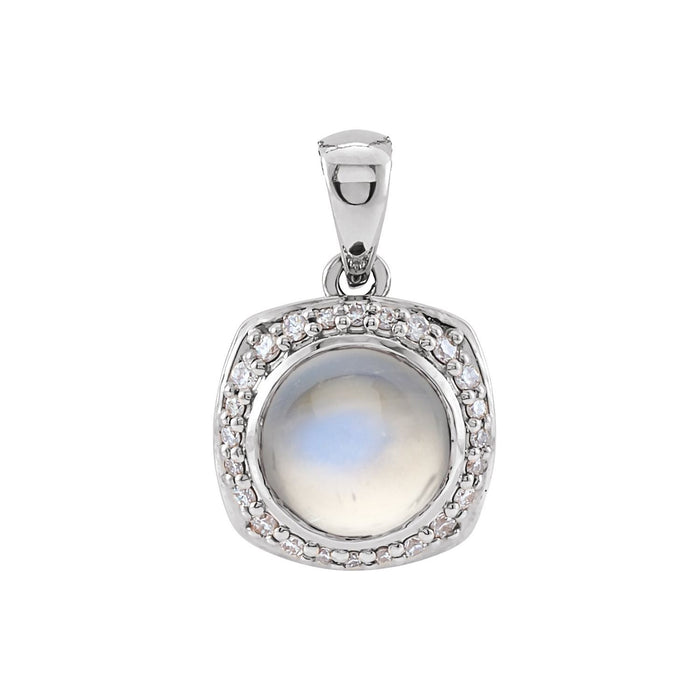 View Piece
 View Piece
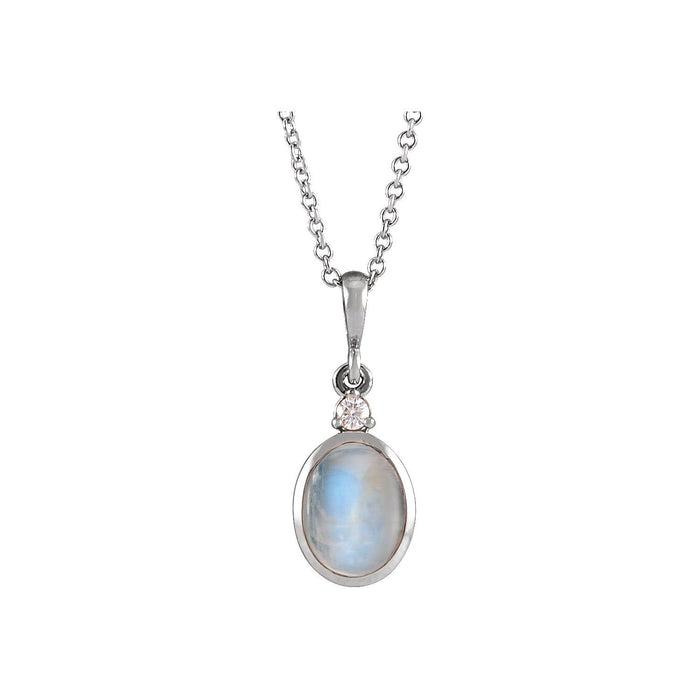 View Piece
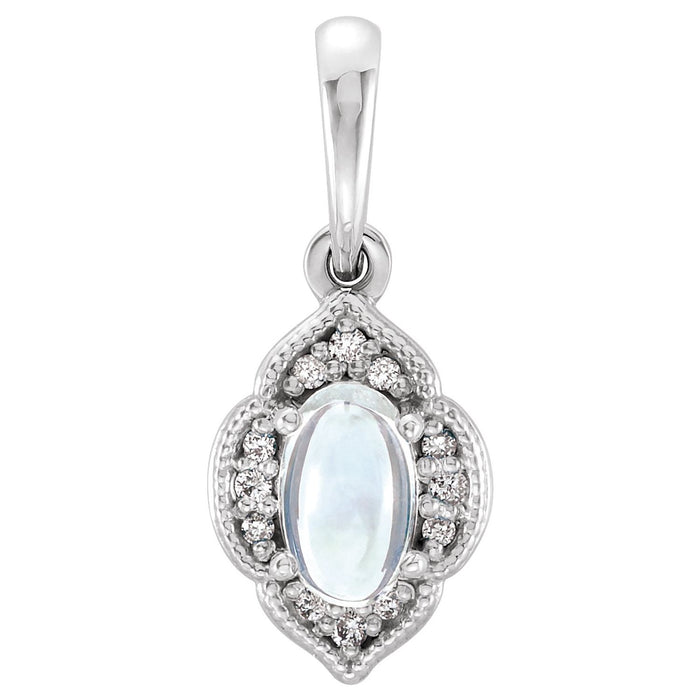 View Piece
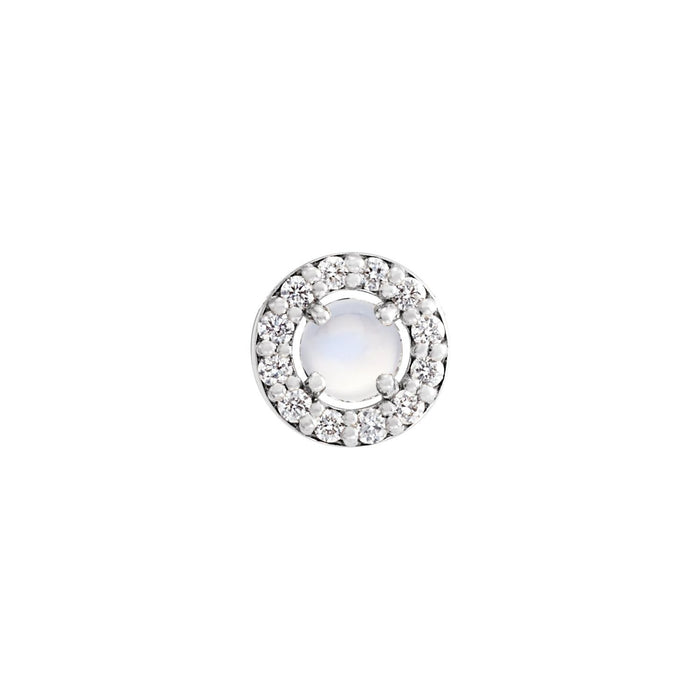 View Piece
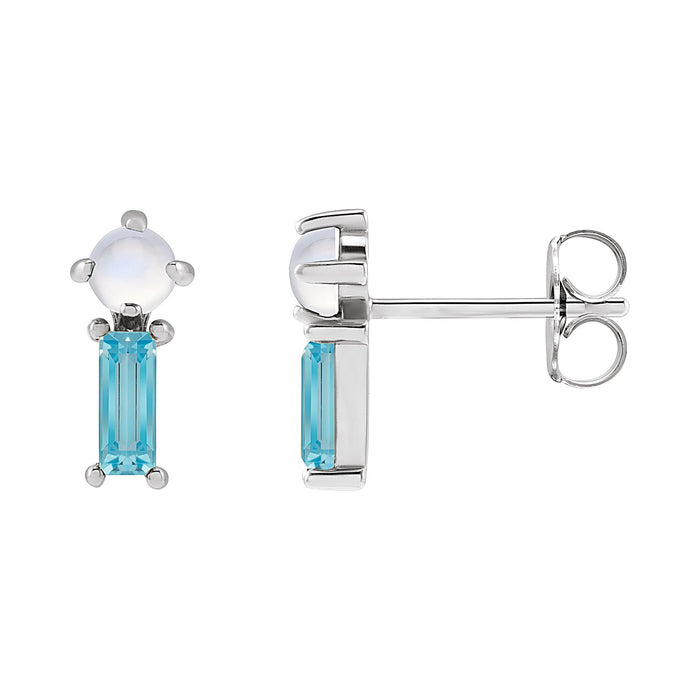 View Piece
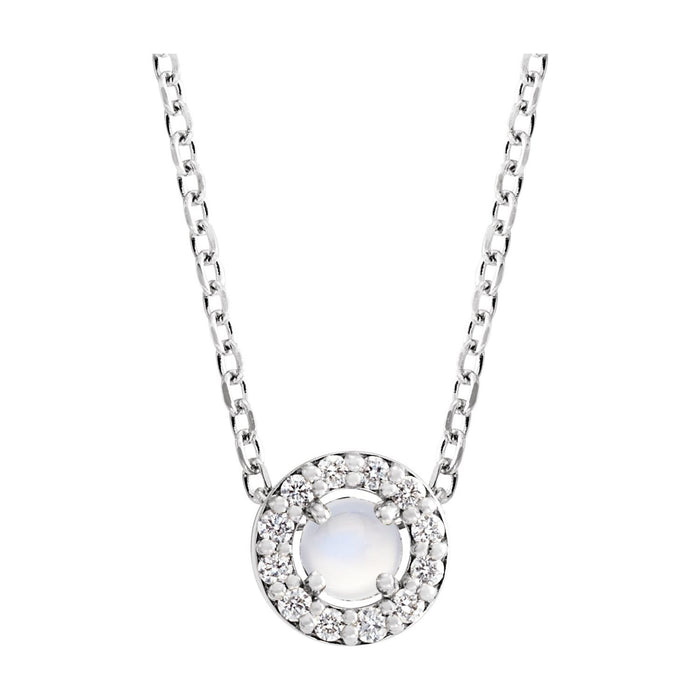 View Piece
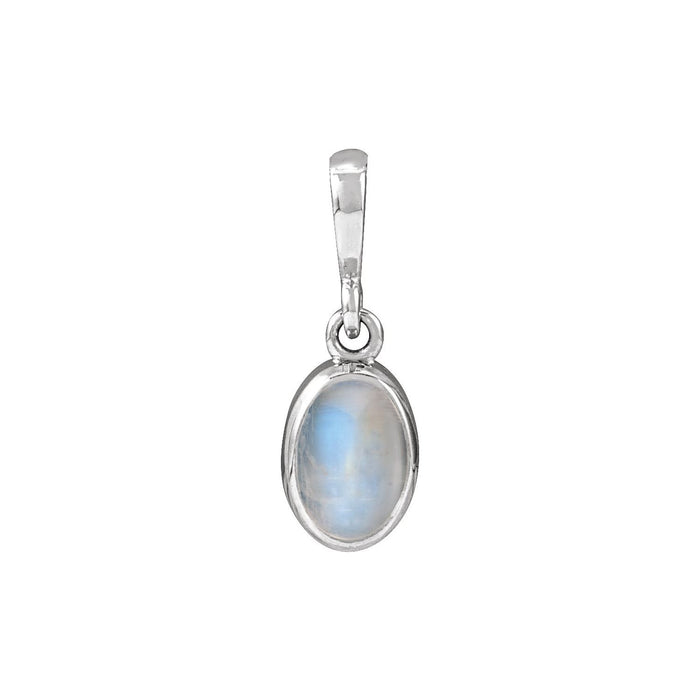 View Piece
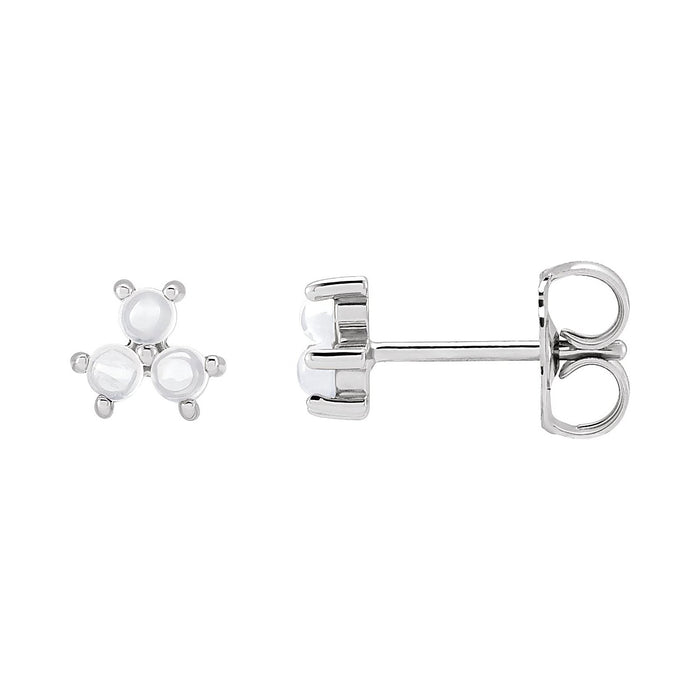 View Piece
 View Piece
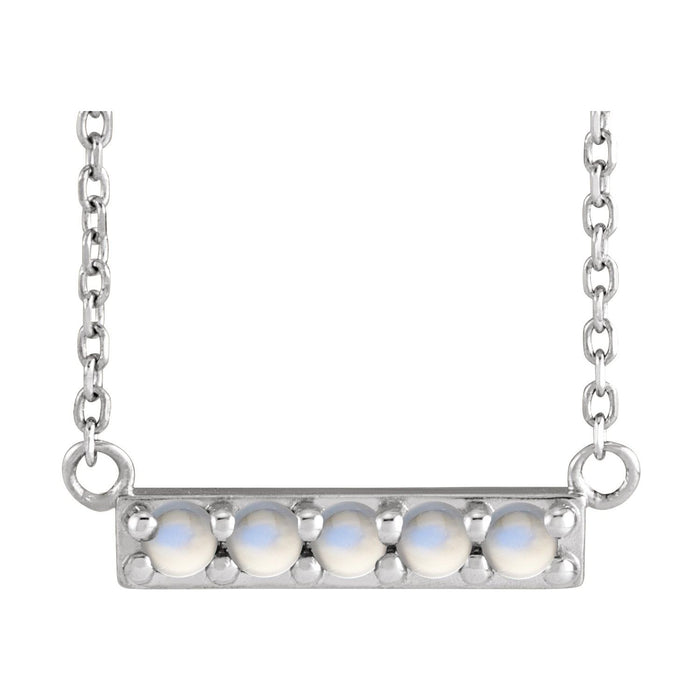 View Piece
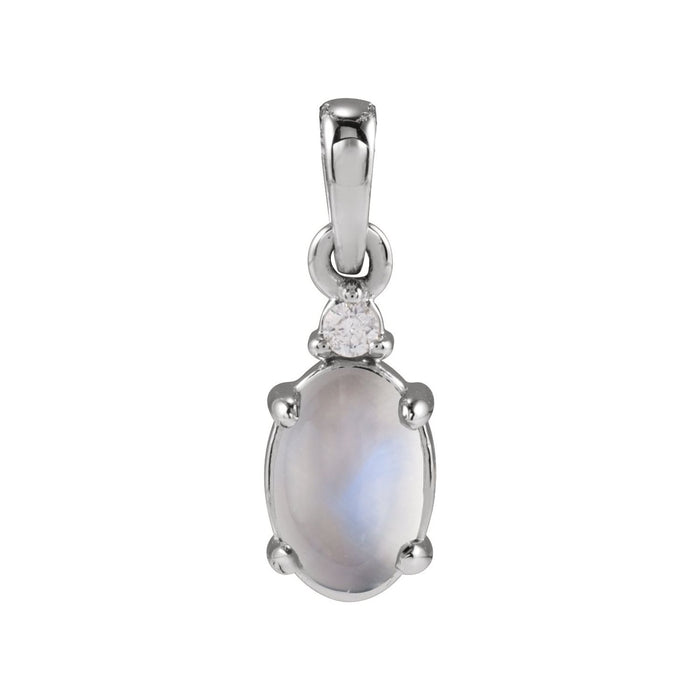 View Piece
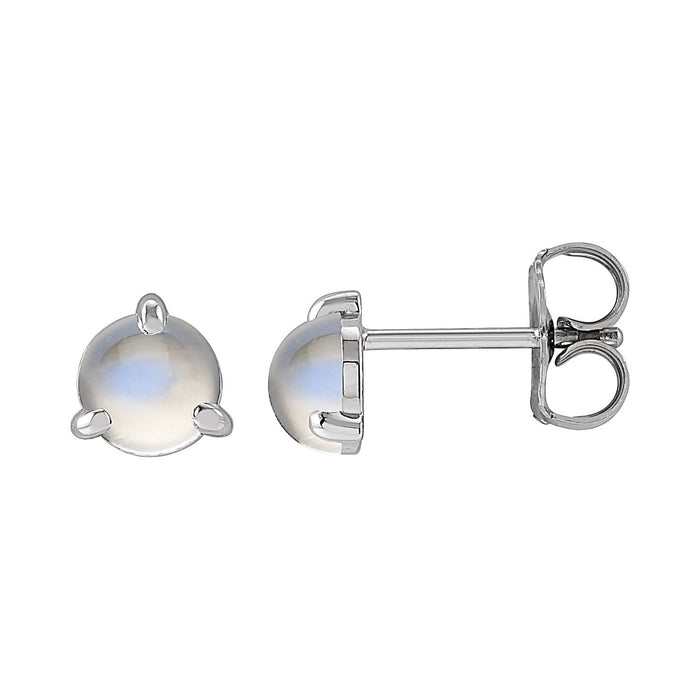 View Piece
What rainbow moonstone is
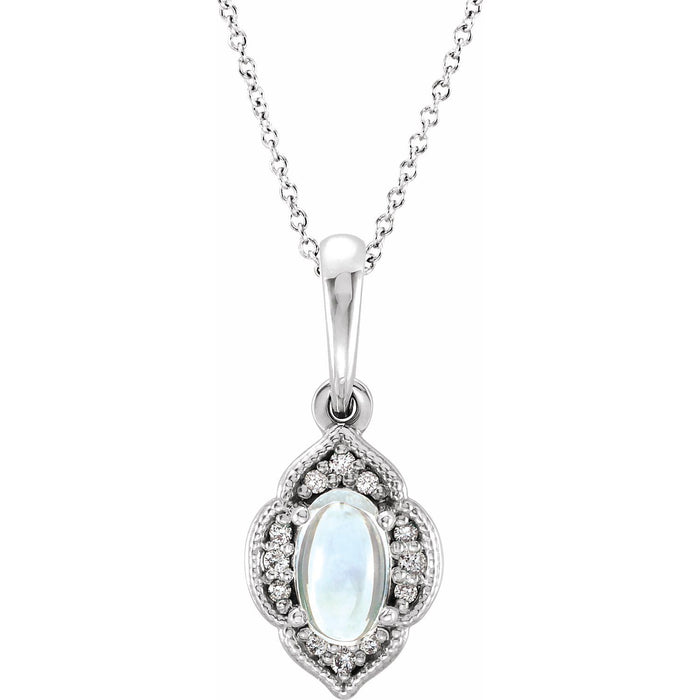
Rainbow moonstone is the trade name for white labradorite, a plagioclase feldspar. Classic moonstone belongs to a different branch of the same family, orthoclase, also called adularia. The two look alike at a glance, with a pale, milky body and a sheen that floats across the stone, but rainbow moonstone usually flashes a stronger blue, often with violet or gold at the edges. The effect comes from very thin layers inside the stone that scatter light. We keep the trade name because it is how the stone is known, and we say what it is on every product page. For classic moonstone, see moonstone jewelry.
How to judge rainbow moonstone
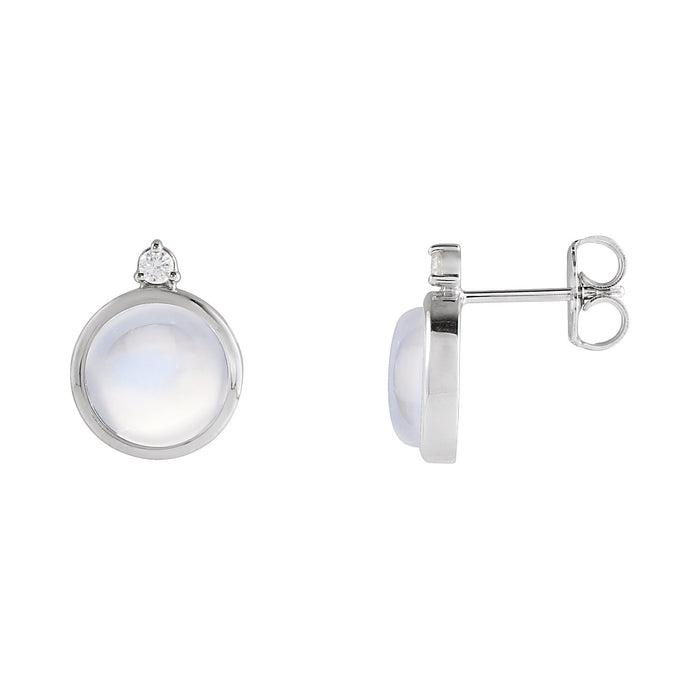
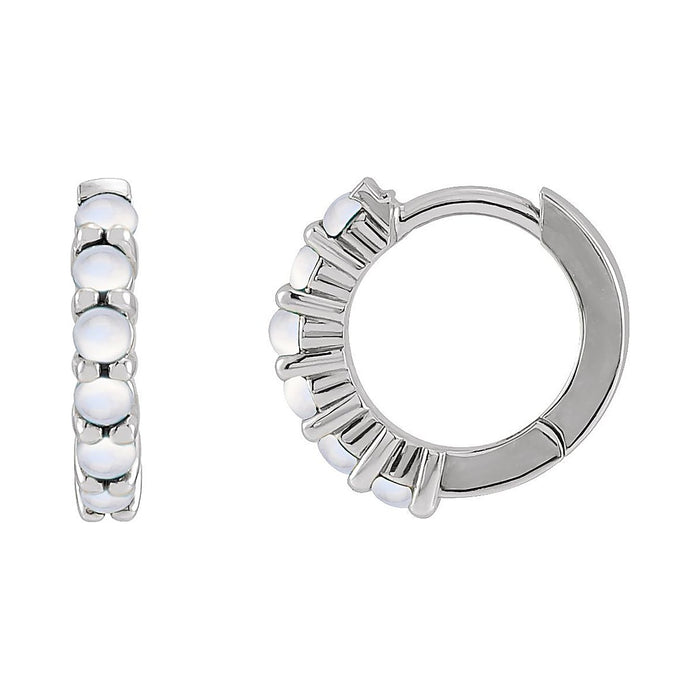
Look at the flash first. The best stones show a bright, even blue that sweeps across most of the dome as you tilt them, set in a clear to milky white body. Cabochons, the smooth domed cut used for every piece here, show the effect best. Small dark needle-like inclusions are common and natural, and many people like the character they add. Because each stone is unique, expect small differences in flash from the photograph.
Caring for rainbow moonstone
Rainbow moonstone rates 6 to 6.5 on the Mohs scale and has cleavage, so a sharp knock can split it. Earrings and pendants avoid most knocks; a ring is best for occasions, in a bezel or halo that guards the edge of the cabochon. Clean it with warm, soapy water and a soft brush, never with ultrasonic or steam cleaners, and store it apart from harder gems. Our Mohs hardness scale and jewelry cleaning guide go further.
| Gem | Mohs hardness |
|---|---|
| Diamond | 10 |
| Sapphire and ruby | 9 |
| Amethyst and citrine | 7 |
| Rainbow moonstone | 6 to 6.5 |
| Moonstone | 6 to 6.5 |
| Opal | 5 to 6.5 |
| Pearl | 2.5 to 3 |
How to choose rainbow moonstone jewelry
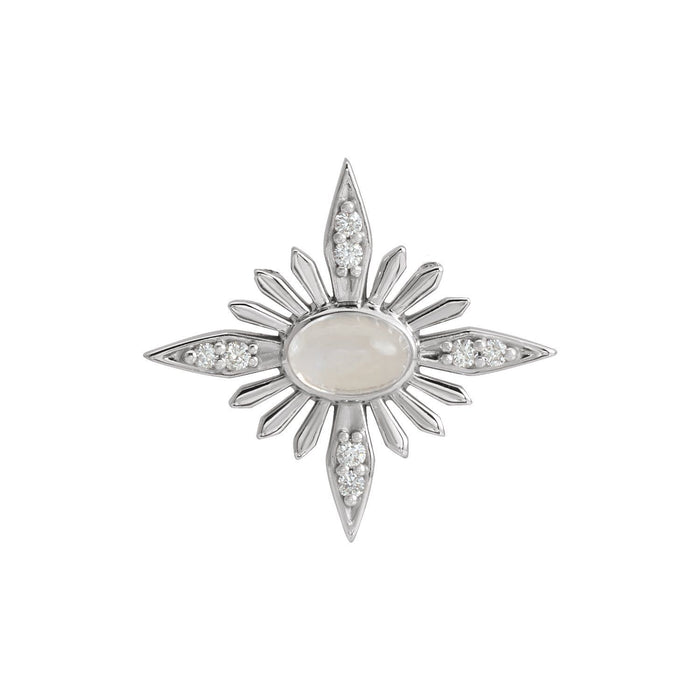
White gold and platinum keep the blue flash cool and bright; yellow and rose gold warm the milky body for a softer, vintage look. A diamond halo or starburst adds sparkle around a stone that glows rather than glitters, while bezel studs and slim stackable rings are easy everyday pieces. Rings are made to order in your size and are final sale, so check the sizing guide first.
Rainbow Moonstone Jewelry at a glance
| Feature | Rainbow moonstone | Moonstone | Opal |
|---|---|---|---|
| What it is | White labradorite, a plagioclase feldspar | Orthoclase feldspar (adularia) | Hydrated silica, not a feldspar |
| Body color | Clear to milky white | Colorless to milky white, also gray and peach | White, black, crystal or orange |
| Optical effect | A blue flash, often with violet or gold | Adularescence, a soft blue-white sheen | Play of color, flashes of spectral color |
| Mohs hardness | 6 to 6.5 | 6 to 6.5 | 5 to 6.5 |
| Birthstone | Not an official birthstone | June, with pearl and alexandrite | October, with tourmaline |
| Best settings | Bezel, halo, protective studs | Bezel, halo, protective studs | Bezel, halo, protective studs |
Rainbow moonstone and moonstone are both feldspars with a similar hardness and care, but they are different minerals, and we keep them in separate collections. Like opal, both are cabochon gems that reward a sheltering setting.
Frequently Asked
Rainbow Moonstone Jewelry FAQ
What is rainbow moonstone?
Rainbow moonstone is the trade name for white labradorite, a plagioclase feldspar related to moonstone, prized for its blue and multicolored flash. It is a natural gem, never glass or a lab-made imitation, and it is almost always cut as a smooth cabochon so the flash can travel across the dome.
Is rainbow moonstone real moonstone?
No. Classic moonstone is an orthoclase feldspar, also called adularia, while rainbow moonstone is labradorite, a plagioclase feldspar. They are cousins within the feldspar family, with a similar look, hardness and care, and the jewelry trade has used the name rainbow moonstone for decades. We use it because it is the name shoppers know, and every product page says what the stone is. For true moonstone, see our moonstone jewelry.
Is rainbow moonstone a June birthstone?
No. The June birthstones are pearl, moonstone and alexandrite. Rainbow moonstone is labradorite, so it is not on the birthstone list, even though its moonlit look is often compared to moonstone. If you want a June birthstone, choose a piece from our moonstone jewelry collection.
What causes the flash?
Light scattering between very thin layers inside the stone. The effect moves as you tilt it and is strongest under a single direct light, such as a window, a lamp or a restaurant spotlight. Under flat, diffuse light the stone can read as a soft milky white with only a hint of blue, and the color returns as soon as it catches the light again.
How is rainbow moonstone different from other labradorite?
It is the same mineral with a different body. Most labradorite has a gray to dark body with a blue, green or gold flash. Rainbow moonstone is the clear to white variety, so its flash sits on a light, milky background, which gives it a softer, more luminous look in fine jewelry.
Is rainbow moonstone treated?
Rainbow moonstone is generally sold untreated. Most of our listings state a natural, untreated stone; where no treatment information is published for a particular stone, the product page says so rather than guessing.
Can you wear rainbow moonstone every day?
Earrings and pendants, yes. Rainbow moonstone rates 6 to 6.5 on the Mohs scale and has cleavage, so rings need more thought. Wear a rainbow moonstone ring for occasions or on the right hand, choose a bezel or halo, and take it off for the gym, gardening and chores.
Which metal looks best with rainbow moonstone?
White gold and platinum keep the blue flash cool and bright. Yellow gold warms the milky body and gives it a vintage feel, and rose gold is the softest pairing. Rings and pendants come in 14K white, yellow or rose gold; every necklace and most earrings also come in platinum.
Why is rainbow moonstone usually cut as a cabochon?
Facets would break the flash into small pieces. A smooth dome gives light one continuous surface to travel across, so the blue sweeps over the stone as it moves. A rounded cabochon also has no sharp corners to chip, which helps a softer gem.
How is rainbow moonstone different from opal?
Opal is hydrated silica rather than a feldspar, and it shows play of color, patches of spectral color that shift as it moves. Rainbow moonstone shows a single sweeping flash, usually blue. Opal is slightly softer, at 5 to 6.5 on the Mohs scale, and both reward a protective setting.
What should I look for in a good stone?
A bright, even flash that covers much of the dome, a clear to milky body, and a smooth polish. Strong blue is the most prized color, and hints of violet or gold add interest.
Are rainbow moonstone pieces all the same?
No two stones flash exactly alike, so expect small natural variations in color, body and inclusions from the photograph. Fine dark needles inside the stone are common and natural.
How do I clean rainbow moonstone jewelry?
Use warm, soapy water and a soft brush, then dry it gently. Avoid ultrasonic and steam cleaners, harsh chemicals and high heat. See our jewelry cleaning guide.
Do you sell rainbow moonstone engagement rings?
Not as a bridal line, since the stone is soft for daily wear. Our rainbow moonstone rings are fashion and occasion rings. For a durable colored engagement stone, see sapphire engagement rings.
How do I choose the right ring size?
Every rainbow moonstone ring is made to order in the size you select, and rings are final sale, so measure first with our sizing guide. Between sizes, choose the larger one for wider bands and domed styles.